Overview
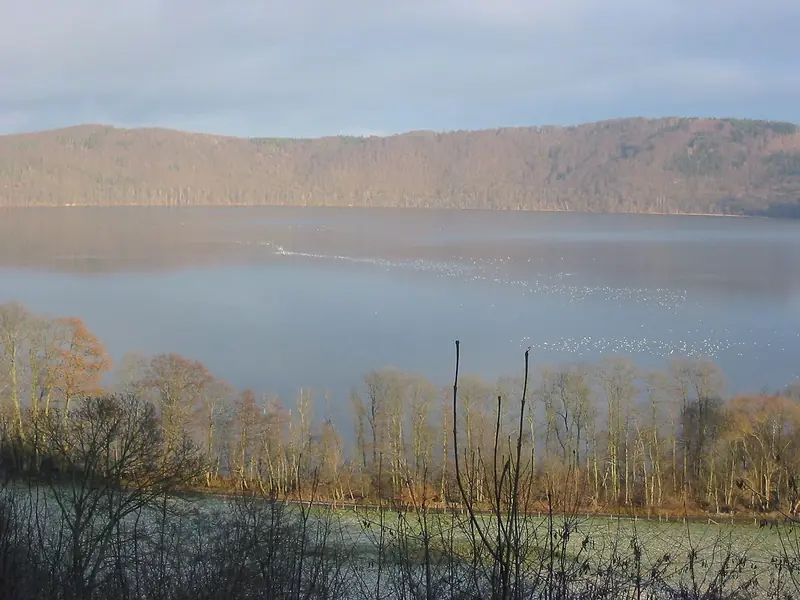
Laacher See Nature Reserve, located in Rheinland-Pfalz, Germany, is a captivating natural site that draws visitors with its stunning landscapes and diverse ecosystems. The reserve encompasses the picturesque Laacher See, a volcanic lake that was formed over 12,000 years ago, giving it both geological and ecological significance. This serene environment is home to a wide variety of flora and fauna, making it an essential habitat for many species, some of which are rare or endangered.
The reserve is not just a sanctuary for wildlife but also serves as a recreational haven for nature enthusiasts, families, and anyone seeking respite from the hustle and bustle of urban life. The tranquil waters of the lake, surrounded by lush forests and rolling hills, provide ample opportunities for hiking, birdwatching, and enjoying the natural beauty of the region.
As you explore Laacher See Nature Reserve, you will discover a harmonious blend of nature and tranquility, inviting you to immerse yourself in its serene environment. Whether you’re a seasoned nature lover or a casual visitor, the reserve offers a refreshing escape into Germany’s natural heritage.
History and Significance
The Laacher See area is rich in geological history, with volcanic activity shaping its landscape over millennia. The lake itself is a remnant of a massive volcanic eruption that occurred thousands of years ago, leaving behind a deep caldera that today contains clear blue waters. This unique geological formation not only contributes to the area’s natural beauty but also provides valuable insights into volcanic activity and its impact on the environment.
Culturally, the Laacher See region has been significant for centuries. The surrounding landscape has been inhabited since prehistoric times, with evidence of early human settlements found in the vicinity. The natural resources provided by the lake and its surroundings have supported local communities, contributing to their development and sustenance. The area is also known for its archaeological sites, which highlight the long-standing connection between humans and this dynamic environment.
In more recent times, Laacher See has become a focal point for conservation efforts aimed at preserving its unique ecosystems. The reserve plays a crucial role in protecting various species of birds and other wildlife, making it an important area for biodiversity. As a nature reserve, it serves not only as a habitat but also as a site for education and research, promoting awareness about environmental conservation and sustainability.
Architecture and Features
Laacher See Nature Reserve features an array of natural elements that enhance its appeal. The centerpiece, Laacher See, is characterized by its striking blue waters, which reflect the surrounding forested hills and contribute to the serene atmosphere of the area. The lake is bordered by a variety of habitats, including wetlands and woodlands, which support a diverse array of plant and animal life.
The reserve is primarily composed of dense forests that are home to numerous tree species, including beech, oak, and fir. These forests are not only beautiful but also provide essential habitats for a variety of wildlife, including birds, mammals, and insects. The diverse ecosystems found within the reserve contribute to its status as an important biodiversity hotspot.
Walking trails wind through the reserve, allowing visitors to explore its natural beauty at a leisurely pace. The paths are designed to accommodate various levels of hiking experience, making it accessible for families and individuals of all ages. Information boards along the trails provide insights into the flora and fauna of the region, enhancing the educational experience for visitors.
Additionally, the reserve hosts several lookout points that offer stunning vistas of the lake and the surrounding landscape, making them ideal spots for photography and reflection.
Visiting Information
Visiting Laacher See Nature Reserve is a rewarding experience, offering a chance to connect with nature and enjoy outdoor activities. The reserve is accessible by various modes of transportation, including car and public transport. For those driving, ample parking facilities are available nearby. If using public transportation, check local schedules for routes that service the area.
To make the most of your visit, check the official website for current information on hours and any potential entrance fees. The reserve welcomes visitors year-round, although certain seasonal considerations may affect accessibility and the types of activities available.
Expect to spend several hours exploring the reserve, especially if you take time to hike the trails and enjoy the scenery. The best times to visit are during the spring and autumn months when the weather is mild, and the flora is particularly vibrant.
When visiting Laacher See, be prepared for a variety of activities. Hiking, birdwatching, and simply enjoying the landscape are popular pastimes. The reserve’s peaceful environment is perfect for families seeking a quiet place to relax and engage with nature.
Nearby Attractions
Laacher See Nature Reserve is surrounded by several attractions that enhance the overall experience of the region.
Maria Laach Abbey: Located just a short distance from the reserve, this Benedictine monastery is known for its stunning Romanesque architecture and peaceful gardens. Visitors can explore the abbey’s history and enjoy the tranquil atmosphere of the surrounding countryside.
Vulkanpark: This geological park offers insights into the volcanic history of the region. The park features informative displays and walking paths that lead to various geological formations associated with the area’s volcanic past.
Andernach Geyser: A short drive from the reserve, this is the highest cold water geyser in the world. Visitors can take guided tours to learn about the science behind the geyser’s eruptions and enjoy the surrounding natural beauty.
Kottenheim: A charming village nearby, Kottenheim offers a glimpse into local life and culture. It features traditional architecture and local shops that provide a taste of the region’s heritage.
Neuwied: A bit further afield, the town of Neuwied is situated along the banks of the Rhine River. Known for its historical sites and lively atmosphere, it’s a great place to explore local history and enjoy riverside activities.
Insider Tips
To make the most of your visit to Laacher See Nature Reserve, consider a few insider tips:
Photography: The best light for capturing the beauty of the lake and surrounding landscapes is during the early morning or late afternoon. Bring a good camera and a tripod for landscape shots, and be prepared for wildlife photography opportunities.
Crowd Avoidance: Weekdays tend to be quieter than weekends, especially during the summer months. If you prefer a more tranquil experience, plan your visit for a weekday.
Trail Exploration: Take your time to explore various trails. Each path offers unique perspectives of the lake and its surroundings, so don’t hesitate to stray from the main routes to discover hidden spots.
Practical Information
When preparing for a visit to Laacher See Nature Reserve, consider the following practical information:
What to Bring: Comfortable walking shoes, a refillable water bottle, snacks, and sun protection are essential for a day in the reserve. Binoculars for birdwatching and a camera for photography are also recommended.
Seasonal Considerations: Each season offers a different experience. Spring showcases blooming flora, summer is perfect for outdoor activities, autumn displays vibrant foliage, and winter provides a peaceful, serene environment. Be sure to dress appropriately for the weather.
Amenities: While the reserve is primarily focused on nature, check the official website for information about available facilities, such as restrooms and nearby cafes.
Frequently Asked Questions
How long should I spend visiting?
A visit to Laacher See Nature Reserve typically requires several hours, allowing time for hiking and enjoying the scenery. Plan for at least half a day to fully appreciate the area.
Is photography allowed?
Yes, photography is permitted throughout the reserve. Early mornings and late afternoons provide ideal lighting for landscape and wildlife photography.
Are there guided tours?
Information about guided tours may vary. Check with local tourist offices or the official website for details on any available tours or educational programs.
What’s the best time to visit?
Spring and autumn are often considered the best times to visit due to mild weather and vibrant natural displays. However, each season offers unique experiences.
Is it wheelchair accessible?
While some trails may be suitable for wheelchairs, it’s best to check the official website or local resources for specific accessibility information.
Can I buy tickets online?
Information regarding ticket purchasing should be verified on the official website, as options may change.
Are there restrooms and cafes?
Facilities may vary. Check the official website for current information about available amenities, including restrooms and dining options.
What should I wear?
Dress in comfortable, weather-appropriate clothing and sturdy footwear for hiking. Layers are recommended to adjust to changing temperatures throughout the day.



