
Kurt Weill Centre
Overview
The Kurt Weill Centre in Dessau, Germany, serves as a memorial to the influential composer Kurt Weill, whose works bridged the worlds of classical music and popular theatre. Weill’s unique contributions to music and theatre during the early 20th century reflect a significant cultural movement, making this site a place of reflection and appreciation for his artistry. Housed within a dedicated museum, the Kurt Weill Centre not only showcases artifacts related to Weill’s life and work but also emphasizes the impact of his legacy on contemporary music and theatre.
Located in Dessau-Roßlau, the centre is strategically positioned in a region rich in modernist architecture and cultural history. This vibrant area was home to the Bauhaus movement, which has shaped much of modern design and art. The Kurt Weill Centre stands as a focal point for those wishing to explore the intersection of music, theatre, and the broader cultural shifts of the 20th century. Visitors are promised an engaging experience that illuminates the life of one of Germany’s most significant cultural figures.
History and Significance
Kurt Weill was born in 1900 in Dessau, and his early experiences in this city greatly influenced his later works. He studied at the Berlin Hochschule für Musik and quickly became known for his innovative compositions that fused traditional opera with popular music styles, a hallmark of the Weimar Republic era. Weill’s collaborations with playwright Bertolt Brecht produced iconic works such as “The Threepenny Opera” and “Rise and Fall of the City of Mahagonny,” which challenged societal norms and conventions through their poignant lyrics and avant-garde musical styles.
The Kurt Weill Centre stands as a tribute to his life and the cultural currents that shaped his music. It highlights not only Weill’s artistic achievements but also his exile during the rise of the Nazi regime, which forced him to leave Germany in 1933. Weill’s subsequent success in the United States, where he continued to innovate and influence the musical theatre landscape, underscores the significance of his work in a global context.
The memorial serves as a reminder of the complexities of Weill’s life, including the themes of social justice, political critique, and artistic freedom that permeate his music. As a cultural institution, the Kurt Weill Centre plays a crucial role in preserving and promoting his legacy, offering insights into how his work continues to resonate with contemporary audiences.
Architecture and Features
The Kurt Weill Centre is designed to reflect both the modernist influences of its location and the historical significance of the life it commemorates. The architecture of the building is contemporary, merging seamlessly with the surrounding urban landscape, yet it honors the traditional elements that characterize Dessau’s architectural heritage.
Inside, the museum features a variety of exhibits that include original manuscripts, photographs, and personal items belonging to Weill. These artifacts provide a glimpse into his creative process and personal life. The centre is thoughtfully arranged, allowing visitors to engage with the material at their own pace. Special attention has been given to creating an immersive experience through multimedia presentations that contextualize Weill’s work within the broader spectrum of 20th-century music and theatre.
Noteworthy exhibits often highlight Weill’s most famous works, showcasing the evolution of his style and the thematic depth of his compositions. The centre may also host temporary exhibitions, performances, and educational programs that foster a deeper understanding of Weill’s influence on both music and social issues throughout history.
Visiting Information
Visiting the Kurt Weill Centre is an enriching experience for those interested in music, theatre, and cultural history. The centre is easily accessible via public transport, with several options available for reaching Dessau-Roßlau. Check the official website for current information regarding hours and prices, as these may vary throughout the year.
When planning your visit, expect to spend at least a couple of hours exploring the exhibits. The centre often provides guided tours that can enhance your understanding of Weill’s contributions and the significance of the exhibits. Best times to visit typically include weekdays, when crowds are lighter, allowing for a more intimate experience with the exhibits.
While the centre is open year-round, spring and autumn are particularly pleasant times to explore the area, as the weather tends to be mild and conducive for walking tours of Dessau’s architectural landmarks.
Nearby Attractions
- Bauhaus Dessau: A UNESCO World Heritage site, this iconic institution of modernist architecture is a must-see for those interested in design and artistic innovation.
- Dessau-Wörlitz Garden Realm: A stunning landscape park that combines nature and architecture, perfect for leisurely strolls and appreciating the natural beauty of the area.
- Anhaltisches Theater Dessau: This historic theatre offers a range of performances and is an excellent place to experience local culture and the performing arts.
- Mendelsohn’s Bauhaus: Another architectural marvel that showcases the principles of the Bauhaus design movement, contributing to the cultural landscape of Dessau.
- Kunststiftung Sachsen-Anhalt: An art foundation that hosts various exhibitions and events, promoting contemporary art in the region.
Insider Tips
For those keen on photography, the Kurt Weill Centre offers several visually appealing spots both inside and out. However, be mindful of any restrictions regarding flash photography, particularly in exhibit areas. To avoid crowds, it’s advisable to visit during weekday mornings or late afternoons.
If you’re attending a specific exhibition or event, check in advance for peak times, which may lead to larger crowds. Engaging with staff or volunteers can provide unique insights and enhance your visit, so don’t hesitate to ask questions as you explore.
Practical Information
When visiting the Kurt Weill Centre, it’s wise to bring a small bag for personal items, as large bags may not be permitted inside. Comfortable walking shoes are recommended, as you may want to explore the surrounding areas and nearby attractions.
Seasonal considerations can influence your visit; during the colder months, dress warmly and check if any outdoor exhibits or events are operational. Be aware that special events or exhibitions may require advance booking.
Frequently Asked Questions
How long should I spend visiting?
Visitors typically spend around two hours at the Kurt Weill Centre to fully appreciate the exhibits and engage with the material.
Is photography allowed?
Photography is generally permitted, but it is advisable to check for any specific restrictions in exhibit areas.
Are there guided tours?
Yes, guided tours are often available, enhancing the visitor experience with detailed insights into Weill’s life and works.
What’s the best time to visit?
Weekdays, particularly in the morning or late afternoon, tend to be the best times to avoid larger crowds.
Is it wheelchair accessible?
The centre is designed to be accessible for visitors with mobility challenges; however, it is best to check specific accessibility options on the official website.
Can I buy tickets online?
Check the official website for current information regarding ticket purchases, as online options may vary.
Are there restrooms and cafes?
Facilities, including restrooms, are available on-site. Dining options may vary, so check the official website for details on nearby cafes.
What should I wear?
Dress comfortably, keeping in mind that you may be walking and exploring both indoors and outdoors. Seasonal attire is also recommended based on the time of year.
The Kurt Weill Centre offers a compelling window into the life and legacy of Kurt Weill, making it a notable stop for anyone interested in the intersections of music, theatre, and cultural history.
More in Brandenburg
Agnetenkloster
📍 Brandenburg, Germany
Agnetenkloster, a former monastery located in the heart of Magdeburg, Germany, invites visitors to explore its serene ambiance and historical …

Agroneum
📍 Brandenburg, Germany
Agroneum is a museum located in the serene landscape of Alt Schwerin, Germany. This establishment serves as a vibrant hub for those interested in the …

Alexander Nevsky Memorial Church
📍 Brandenburg, Germany
The Alexander Nevsky Memorial Church in Potsdam, Germany, offers visitors a unique glimpse into the city’s cultural and religious heritage. This …
Alexandrowka
📍 Brandenburg, Germany
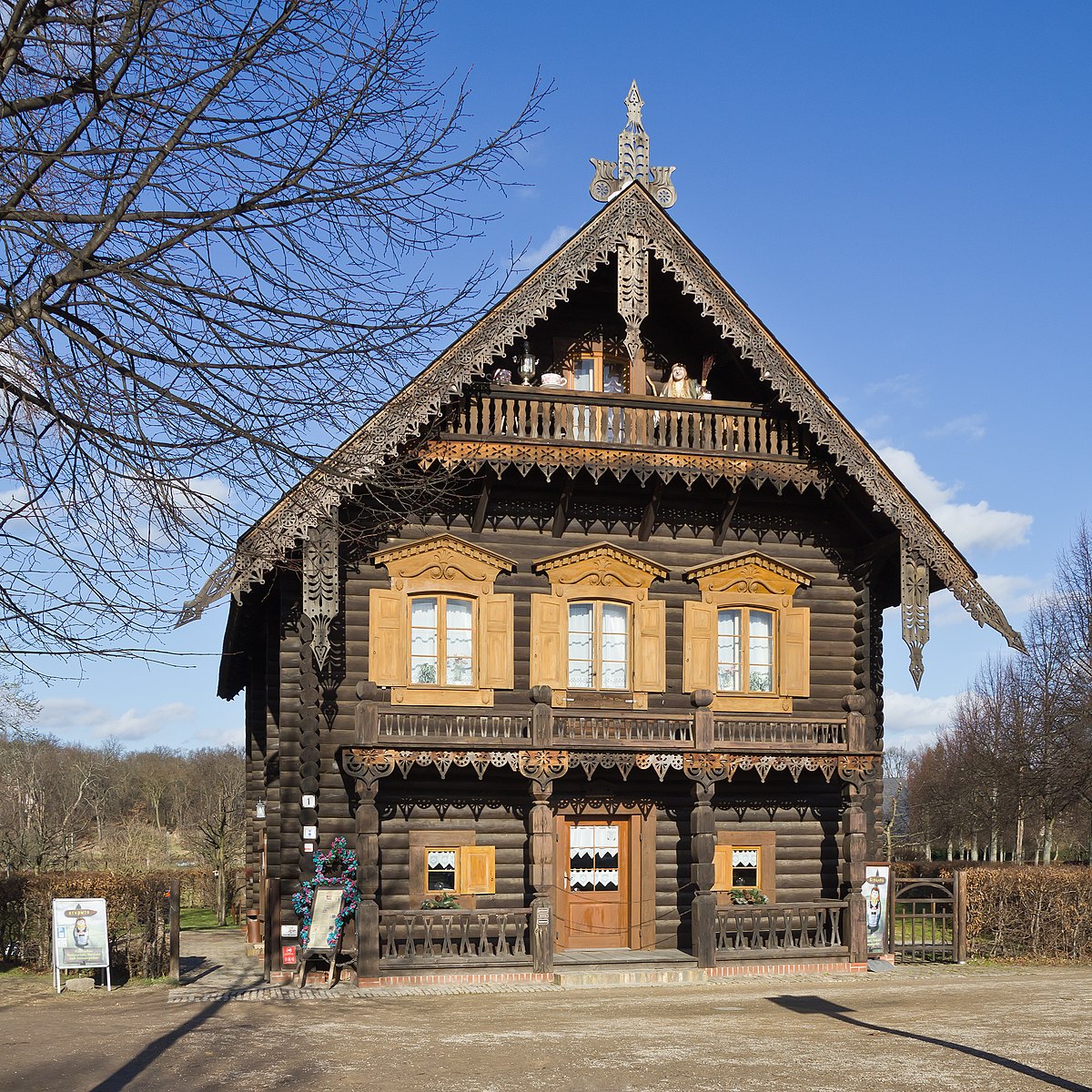
Located in the picturesque city of Potsdam, Germany, Alexandrowka is an intriguing architectural ensemble that reflects a unique blend of Russian and …

Alte Burg Penzlin
📍 Brandenburg, Germany
Alte Burg Penzlin, a captivating castle located in the quaint town of Penzlin, Germany, serves as a remarkable example of medieval architecture and …

Alte Dorfkirche Röxe
📍 Brandenburg, Germany
The Alte Dorfkirche Röxe stands as a poignant symbol of architectural and cultural history in the Stendal region of Germany. This church building, …
More Memorials

2 Straßenbau- Gedenksteine
📍 Schleswig-Holstein, Germany
In the picturesque region of Bösdorf, Germany, two memorial stones commemorate a pivotal moment in the history of infrastructure development. Known as …

Albrecht-Dürer-Denkmal
📍 Bavaria, Germany
In the heart of Nuremberg, Germany, the Albrecht-Dürer-Denkmal stands as a tribute to one of the most influential figures in Northern Renaissance art. …

Alexiuskreuz
📍 Lower Saxony, Germany
A visit to Alexiuskreuz in Mägdesprung, Harzgerode, invites exploration of a poignant memorial that honors significant historical events and figures. …

Alsdorfer Bergmannskreuz
📍 North Rhine-Westphalia, Germany
The Alsdorfer Bergmannskreuz memorial, located in Simmerath, Germany, serves as a poignant reminder of the region’s mining heritage and the cultural …
Alte Pathologie Wehnen
📍 Lower Saxony, Germany
In the tranquil landscape of Bad Zwischenahn, Germany, the Alte Pathologie Wehnen serves as a solemn memorial dedicated to the victims of the Nazi …

Arbeitserziehungslager Nordmark
📍 Schleswig-Holstein, Germany
Arbeitserziehungslager Nordmark, located on the outskirts of Kiel, Germany, serves as a solemn memorial to the atrocities committed during the Nazi …