
Kunstmuseum Dieselkraftwerk Cottbus
Overview
The Kunstmuseum Dieselkraftwerk Cottbus stands as a unique cultural institution in Cottbus, Germany, dedicated to the exploration and presentation of contemporary art. Housed in a former diesel power station, the museum provides an intriguing backdrop that enhances the experience of its varied exhibitions. With its innovative approach to art, the museum not only showcases contemporary works but also engages with the community, making it a vibrant part of Cottbus’s cultural landscape.
Situated in the heart of Cottbus, the museum is easily accessible, drawing both locals and visitors from afar. As you explore its galleries, you will encounter a diverse array of artistic expressions that challenge perceptions and provoke thought. The Kunstmuseum is not just a place for viewing art; it serves as a platform for dialogue and education, inviting visitors to delve deeper into the contemporary art scene.
Whether you’re an art aficionado or a casual visitor, a trip to the Kunstmuseum Dieselkraftwerk Cottbus promises an enriching experience that reflects the dynamic nature of modern creativity.
History and Significance
The Kunstmuseum Dieselkraftwerk Cottbus has a rich history that intertwines the evolution of industrial architecture with the development of contemporary art in Germany. Originally functioning as a diesel power station, the site has undergone significant transformation to serve as a museum. This shift from energy production to an art institution symbolizes a broader cultural transition, highlighting the importance of adaptive reuse in heritage conservation.
The establishment of the museum marks a significant moment in Cottbus’s commitment to fostering artistic expression and cultural dialogue. It plays an essential role in the region’s cultural identity, providing a space where contemporary artists can present their work and engage with the public. The museum’s programming often reflects current social issues and artistic movements, making it a relevant venue for discussions on the role of art in society.
Through its exhibitions and educational initiatives, the Kunstmuseum Dieselkraftwerk Cottbus aims to inspire creativity and critical thinking. The museum not only showcases established artists but also provides a platform for emerging talents, thus nurturing the next generation of artists. This commitment to innovation and inclusivity further emphasizes the museum’s significance within the cultural fabric of Cottbus and beyond.
Architecture and Features
The architecture of the Kunstmuseum Dieselkraftwerk Cottbus is as compelling as the artworks it houses. The museum is set within a former diesel power station, which presents a striking juxtaposition of industrial aesthetics and contemporary art. The building’s robust structure, characterized by large windows and expansive open spaces, provides a unique environment for exhibitions.
Inside, visitors will find well-lit galleries that facilitate the display of various artistic mediums, including painting, sculpture, and multimedia installations. The museum’s design allows for flexible exhibition layouts, enabling curators to create dynamic and engaging presentations that respond to the works on display.
Notable features include the preserved industrial elements that pay homage to the site’s history, such as exposed brickwork and original machinery. These elements not only enhance the visual appeal of the museum but also serve as a reminder of its industrial past, creating a dialogue between the old and the new. The careful curation of exhibitions within this space transforms the museum into a living entity, where art and history coexist and inform one another.
Visiting Information
Visiting the Kunstmuseum Dieselkraftwerk Cottbus offers an enriching opportunity to engage with contemporary art. To plan your visit, check the official website for current information on hours and ticket prices, as these details can vary throughout the year.
The museum is conveniently located in Cottbus, making it accessible by various modes of transport. Public transportation options are available, including buses and trains that connect to the city center. If you choose to drive, there are parking facilities nearby, though availability may vary.
As for what to expect during your visit, the museum typically features a rotating schedule of exhibitions, so returning guests may discover new and exciting works with each visit. On average, visitors spend about 1.5 to 2 hours exploring the galleries, but art enthusiasts may wish to linger longer to fully appreciate the diverse offerings.
The best times to visit are during weekdays, when the museum is less crowded, allowing for a more intimate experience with the art. Special events and programs may also be scheduled, providing additional opportunities for engagement.
Nearby Attractions
While in Cottbus, take advantage of the opportunity to explore other attractions in the area. Here are a few notable places to consider:
Branitz Park: Designed by the landscape architect Hermann von Pückler-Muskau, this expansive park features picturesque gardens, lakes, and a charming castle, offering a peaceful retreat from the urban environment.
Cottbus State Theatre: A cultural hub for performing arts, the theatre hosts a variety of performances, including opera, ballet, and drama, enriching the city’s artistic scene.
St. Nikolai Church: This historic church, with its impressive architecture and beautiful stained glass, provides insight into the religious heritage of Cottbus. It often hosts concerts and community events.
Cottbus Zoo: A family-friendly destination, the zoo is home to a variety of animal species and offers educational programs, making it an enjoyable outing for visitors of all ages.
Spremberger Strasse: The main shopping street in Cottbus, lined with shops, cafes, and restaurants, is perfect for a leisurely stroll or a place to grab a bite after visiting the museum.
Insider Tips
For the best experience at the Kunstmuseum Dieselkraftwerk Cottbus, consider a few insider tips. First, if you are keen on photography, check the museum’s policy regarding photography in the galleries, as restrictions may apply to protect the artworks.
To avoid crowds, plan your visit during weekday mornings or early afternoons, when foot traffic is typically lower. This will allow you to engage more deeply with the exhibitions and enjoy a more personal interaction with the art.
Consider joining any guided tours or workshops offered, as these can provide valuable insights into the artworks and the artists behind them.
Practical Information
When preparing for your visit to the Kunstmuseum Dieselkraftwerk Cottbus, it’s advisable to bring a few essentials. Comfortable shoes are recommended, as you may be walking around the museum and exploring nearby attractions.
Seasonal considerations can impact your experience. In warmer months, consider visiting during the early hours to avoid peak tourist times, while in colder months, ensure you dress appropriately for the weather, especially if you plan to explore outdoor attractions afterward.
Additionally, check the official website for any specific requirements or recommendations for visiting, such as any ongoing exhibitions or special events that may enhance your experience.
Frequently Asked Questions
How long should I spend visiting?
Most visitors typically spend about 1.5 to 2 hours in the museum, but art enthusiasts may wish to stay longer to fully appreciate the exhibits.
Is photography allowed?
Photography policies may vary. It’s best to check the museum’s official website or inquire at the entrance for specific guidelines.
Are there guided tours?
Guided tours may be available, offering deeper insights into the exhibitions and artworks on display. Check the official website for details.
What’s the best time to visit?
Weekdays, particularly in the mornings, are generally the best times to visit to avoid crowds.
Is it wheelchair accessible?
The museum strives to be accessible to all visitors. For specific accessibility options, please refer to the official website for detailed information.
Can I buy tickets online?
Ticket purchasing options may vary. It’s advisable to check the official website for current information regarding online ticket sales.
Are there restrooms and cafes?
Restroom facilities are typically available within the museum, and there may be cafes nearby for refreshments. Check the official website for details.
What should I wear?
Comfortable clothing and shoes are recommended, especially if you plan to explore the surrounding attractions after your museum visit.
More in Brandenburg
Agnetenkloster
📍 Brandenburg, Germany
Agnetenkloster, a former monastery located in the heart of Magdeburg, Germany, invites visitors to explore its serene ambiance and historical …

Agroneum
📍 Brandenburg, Germany
Agroneum is a museum located in the serene landscape of Alt Schwerin, Germany. This establishment serves as a vibrant hub for those interested in the …

Alexander Nevsky Memorial Church
📍 Brandenburg, Germany
The Alexander Nevsky Memorial Church in Potsdam, Germany, offers visitors a unique glimpse into the city’s cultural and religious heritage. This …
Alexandrowka
📍 Brandenburg, Germany
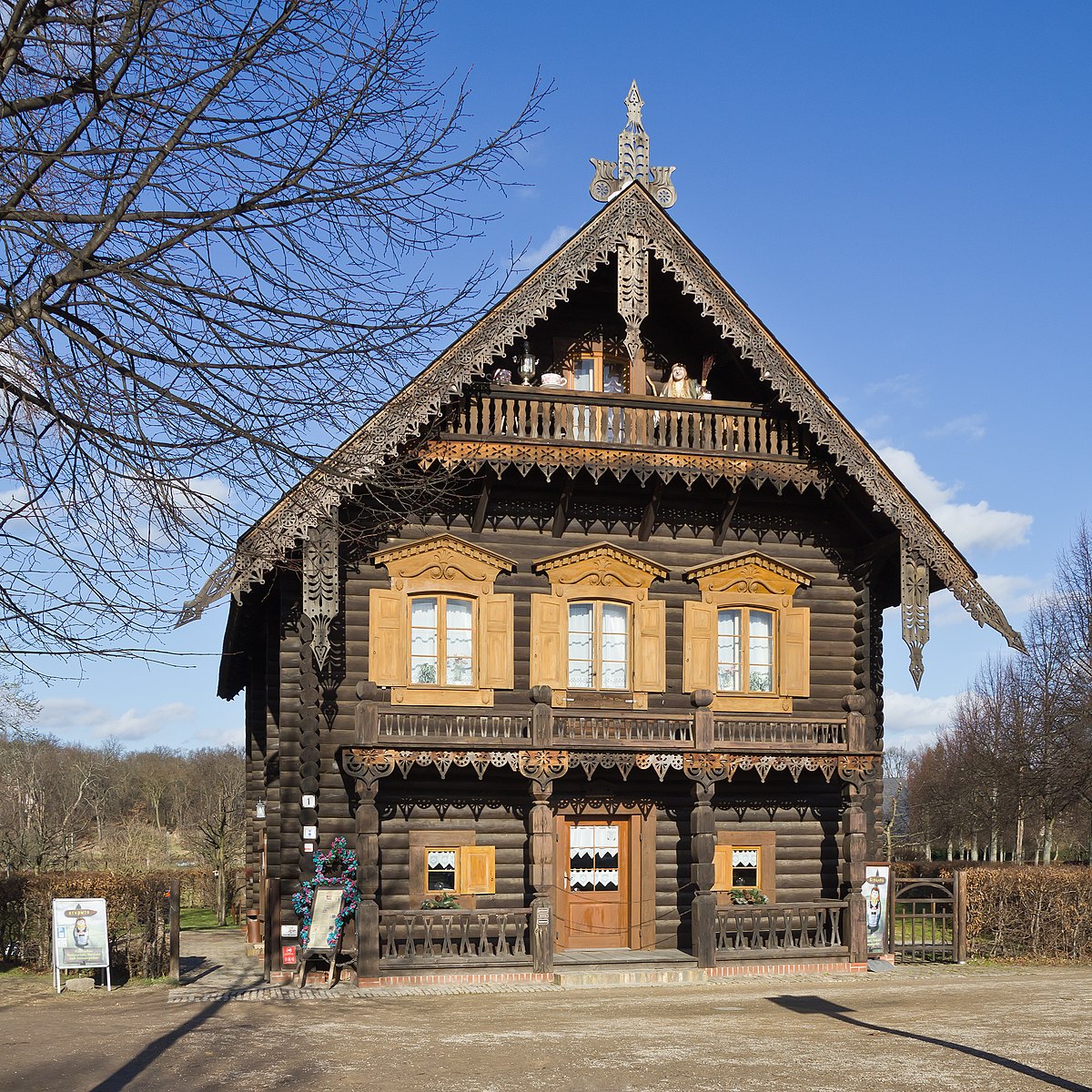
Located in the picturesque city of Potsdam, Germany, Alexandrowka is an intriguing architectural ensemble that reflects a unique blend of Russian and …

Alte Burg Penzlin
📍 Brandenburg, Germany
Alte Burg Penzlin, a captivating castle located in the quaint town of Penzlin, Germany, serves as a remarkable example of medieval architecture and …

Alte Dorfkirche Röxe
📍 Brandenburg, Germany
The Alte Dorfkirche Röxe stands as a poignant symbol of architectural and cultural history in the Stendal region of Germany. This church building, …
More Art Museums

Aachen Cathedral Treasury
📍 North Rhine-Westphalia, Germany
Aachen Cathedral Treasury, located in the historic city of Aachen, Germany, is a remarkable art museum that houses an impressive collection of …

Abteiberg Museum
📍 North Rhine-Westphalia, Germany
In the heart of Mönchengladbach, Germany, the Abteiberg Museum stands out as a prominent destination for art enthusiasts and cultural explorers alike. …

Akademisches Kunstmuseum
📍 North Rhine-Westphalia, Germany
In the heart of Bonn, Germany, lies the Akademisches Kunstmuseum, an art museum that invites visitors to explore a diverse collection of artworks …

Albertinum
📍 Saxony, Germany
Albertinum is a prominent art museum located in the heart of Dresden, Germany, serving as a significant cultural institution in the region. …

Albrecht Dürer's House
📍 Bavaria, Germany
Albrecht Dürer’s House stands as a significant cultural landmark in Nuremberg, Germany, celebrating the life and work of one of the Renaissance’s most …
Alte Nationalgalerie
📍 Berlin, Germany
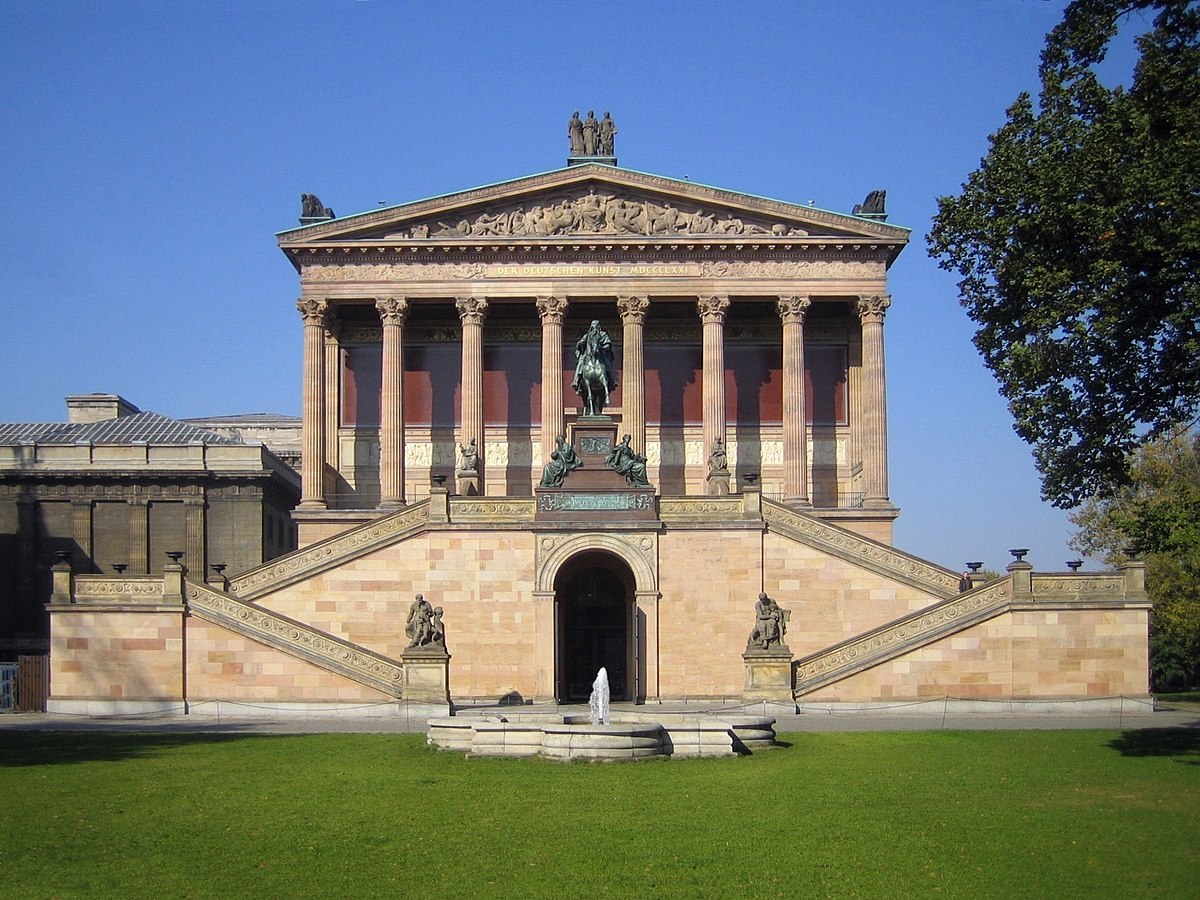
The Alte Nationalgalerie, an esteemed art museum located in Berlin’s Bezirk Mitte, is a cornerstone of cultural appreciation in Germany. This museum …