
Kunsthaus Tacheles
Overview
In the heart of Berlin’s Bezirk Mitte, Kunsthaus Tacheles stands as a testament to the city’s vibrant art scene and its complex history. Once a bustling arts center, Tacheles has transformed from a derelict building into a cultural hotspot, attracting artists, art lovers, and tourists alike. Its storied past echoes the resilience of Berlin itself, a city that has continuously reinvented itself through art and creativity.
Originally constructed as a department store in the early 20th century, Tacheles became a refuge for artists after the fall of the Berlin Wall, symbolizing freedom and the unbridled spirit of expression. Today, it remains an important venue for contemporary art and cultural events, fostering a community that thrives on creativity and collaboration.
Visitors to Kunsthaus Tacheles can expect an immersive experience where art, history, and community intertwine. The space is not just an art museum; it represents a broader narrative of Berlin’s dynamic cultural landscape, making it a significant stop for anyone looking to understand the city’s artistic evolution.
History and Significance
Kunsthaus Tacheles has a rich history that reflects the transformative journey of Berlin itself. Originally built in 1906, the structure served as a department store until the mid-20th century. Following World War II and the subsequent division of Berlin, it fell into disrepair, embodying the city’s struggles during the Cold War era.
The building’s metamorphosis began after the fall of the Berlin Wall in 1989. A group of artists and activists recognized the potential of Tacheles and took it upon themselves to transform the abandoned space into an arts center. Their vision was to create a platform for artistic expression that would foster creativity and challenge societal norms. Over the years, Tacheles became a hub for experimental art, performance, and community initiatives, attracting both local and international artists.
The significance of Kunsthaus Tacheles extends beyond its physical structure; it represents a microcosm of Berlin’s cultural revival. The center has hosted numerous exhibitions, workshops, and performances, reflecting the multiplicity of voices within the contemporary art scene. It has also served as a gathering place for social and political discourse, making it a vital part of the city’s cultural fabric.
Despite facing challenges, including gentrification and the pressures of urban development, Tacheles has remained a symbol of artistic resilience. The legacy of the space continues to inspire new generations of artists and activists, affirming its place as a significant cultural landmark in Berlin.
Architecture and Features
The architectural design of Kunsthaus Tacheles is a fascinating blend of history and innovation. The original structure, built in the early 1900s, showcases elements typical of the era, with a robust façade and large windows that once invited shoppers into its retail spaces. Over the years, the building underwent significant modifications that reflect the creative spirit of the artists who took over the space.
Inside, visitors are greeted by a unique ambiance characterized by eclectic art installations, murals, and sculptures that adorn the walls and ceilings. The raw, industrial aesthetic of the building has been preserved, with exposed brick and concrete adding to its charm and authenticity. This juxtaposition of old and new creates an environment that encourages exploration and interaction with the art.
One of the notable features of Tacheles is its commitment to showcasing diverse forms of artistic expression. The various studios and exhibition spaces host an array of works, from visual art to performance and multimedia installations. This versatility not only highlights the dynamic nature of contemporary art but also fosters a sense of community among artists and audiences.
In addition to its artistic offerings, Kunsthaus Tacheles often serves as a venue for cultural events, workshops, and discussions, further enhancing its role as a hub for creativity and collaboration. The building itself, with its storied past and vibrant present, embodies the spirit of Berlin’s artistic journey, making it a compelling destination for art enthusiasts and casual visitors alike.
Visiting Information
Visiting Kunsthaus Tacheles is an enriching experience for anyone interested in contemporary art and culture. The location in Bezirk Mitte is easily accessible via public transportation, making it convenient for travelers exploring Berlin. Various tram and bus lines service the area, as well as nearby subway stations, ensuring that visitors can reach Tacheles with ease.
When planning a visit, it is advisable to check the official website for current information on hours of operation and ticket prices. The center often hosts special events, exhibitions, and workshops, so checking in advance can help you make the most of your experience.
While the time needed to explore Kunsthaus Tacheles can vary depending on personal interest, a visit typically takes around one to two hours. This allows ample time to explore the diverse artistic offerings and take in the unique atmosphere of the space.
The best times to visit are during weekdays when crowds are generally lighter, allowing for a more intimate experience with the art. However, weekends can also be a vibrant time to experience the energy of the community and attend any special events or performances that may be taking place.
Nearby Attractions
Kunsthaus Tacheles is conveniently located near several other notable attractions in Berlin, making it an ideal starting point for a cultural exploration of the city. Here are a few nearby places worth visiting:
Berghain: Renowned as one of the world’s most famous nightclubs, Berghain is a temple of techno music located in a former power plant. Its industrial architecture and vibrant party scene attract visitors from around the globe.
Museum of Communication: Just a short walk from Tacheles, this museum offers fascinating insights into the history of communication through various media, from postal services to digital innovations.
Markthalle Neun: A historic market hall that has been revitalized to showcase local food vendors, artisanal products, and cultural events. It’s an excellent spot for a meal or to sample local delicacies.
Checkpoint Charlie: A historic crossing point between East and West Berlin during the Cold War, this site includes a museum detailing the history and significance of the Berlin Wall.
Topography of Terror: An outdoor and indoor history museum located on the former site of the Gestapo and SS headquarters, offering deep insights into the terror regime and its impact on Berlin and beyond.
Insider Tips
For visitors looking to capture the essence of Kunsthaus Tacheles, photography is encouraged, but be mindful of the artists and their works. Early mornings or late afternoons are ideal for avoiding larger crowds and allowing for a more personal experience with the art.
If you’re interested in engaging with the art community, consider attending one of the workshops or events often hosted at Tacheles. These provide an opportunity to interact with local artists and gain deeper insights into their creative processes.
Practical Information
When visiting Kunsthaus Tacheles, it’s advisable to bring a few essentials. Comfortable walking shoes are recommended, as the space is best explored on foot. Personal items such as water bottles and light snacks may be handy, especially if you plan on spending a couple of hours exploring.
Seasonal considerations can also affect your visit. If you are traveling during the colder months, dress in layers, as indoor temperatures can vary. Conversely, summer months may draw larger crowds, so planning your visit during the week can enhance your experience.
Frequently Asked Questions
How long should I spend visiting?
A visit to Kunsthaus Tacheles typically takes about one to two hours, allowing time to explore the various art installations and exhibitions.
Is photography allowed?
Yes, photography is generally permitted, but be respectful of the artists and their works.
Are there guided tours?
Check the official website for information regarding guided tours, as they may be offered depending on the current exhibitions.
What’s the best time to visit?
Weekdays are often less crowded, making them ideal for a more intimate experience. However, weekends can be vibrant with events.
Is it wheelchair accessible?
Check the official website for current accessibility information to ensure a comfortable visit.
Can I buy tickets online?
It’s recommended to check the official website for options regarding online ticket purchases.
Are there restrooms and cafes?
Facilities such as restrooms may be available on-site. For food and drink options, consider exploring nearby cafés and eateries.
What should I wear?
Dress comfortably and in layers, as the temperature can vary inside the building. Comfortable shoes are a must for walking around and exploring the art.
Kunsthaus Tacheles invites visitors to engage with its artistic legacy and the vibrant culture of Berlin, making it a significant cultural landmark worth exploring.
Location
More in Berlin

144., 176. und 184. Gemeindeschule
📍 Berlin, Germany
The 144., 176. und 184. Gemeindeschule, an architectural ensemble located in the vibrant city of Berlin, stands as a noteworthy example of educational …

Academy of Arts (Hanseatenweg)
📍 Berlin, Germany
The Academy of Arts (Hanseatenweg) stands as an emblem of Berlin’s vibrant cultural landscape, located in the historic Hansaviertel district. Renowned …

Academy of Arts, Berlin
📍 Berlin, Germany
The Academy of Arts in Berlin is not just a museum; it is a prominent national institution dedicated to the advancement of the arts in Germany. …

Academy of the Konrad-Adenauer-Stiftung
📍 Berlin, Germany
The Academy of the Konrad-Adenauer-Stiftung, located in the heart of Berlin, is not just a foundation but a hub of intellectual discourse and …

ACUD
📍 Berlin, Germany
Located in the heart of Berlin’s Bezirk Mitte, ACUD serves as a vibrant cultural center and cinema, showcasing an array of films and events that …

Admiralspalast
📍 Berlin, Germany
Admiralspalast is a prominent theatre and event venue located in the heart of Berlin, Germany. This architectural gem serves as a cultural hub, …
More Art Museums

Aachen Cathedral Treasury
📍 North Rhine-Westphalia, Germany
Aachen Cathedral Treasury, located in the historic city of Aachen, Germany, is a remarkable art museum that houses an impressive collection of …

Abteiberg Museum
📍 North Rhine-Westphalia, Germany
In the heart of Mönchengladbach, Germany, the Abteiberg Museum stands out as a prominent destination for art enthusiasts and cultural explorers alike. …

Akademisches Kunstmuseum
📍 North Rhine-Westphalia, Germany
In the heart of Bonn, Germany, lies the Akademisches Kunstmuseum, an art museum that invites visitors to explore a diverse collection of artworks …

Albertinum
📍 Saxony, Germany
Albertinum is a prominent art museum located in the heart of Dresden, Germany, serving as a significant cultural institution in the region. …

Albrecht Dürer's House
📍 Bavaria, Germany
Albrecht Dürer’s House stands as a significant cultural landmark in Nuremberg, Germany, celebrating the life and work of one of the Renaissance’s most …
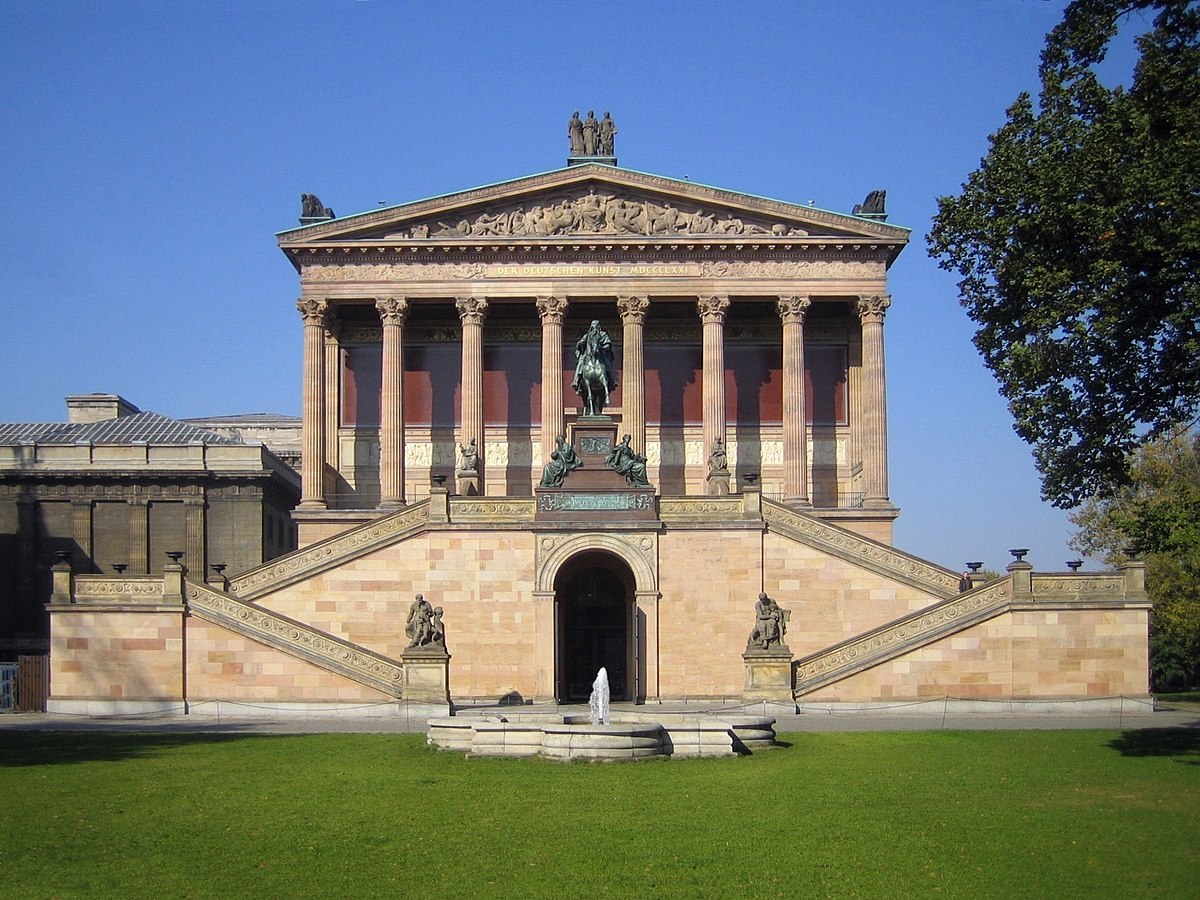
Alte Nationalgalerie
📍 Berlin, Germany
The Alte Nationalgalerie, an esteemed art museum located in Berlin’s Bezirk Mitte, is a cornerstone of cultural appreciation in Germany. This museum …