
Kunsthaus Dahlem
Overview
Kunsthaus Dahlem is an art museum located in the Steglitz-Zehlendorf district of Berlin, Germany. This unique museum occupies the former atelier of renowned sculptor Arno Breker, adding a layer of historical and cultural context to its artistic offerings. As a repository for both modern and contemporary art, Kunsthaus Dahlem plays a vital role in Berlin’s rich art scene, inviting visitors to explore the intricate relationship between art and history in a setting that was once the creative sanctuary of a prominent artist.
The museum’s significance extends beyond its collection; it is a space that encourages dialogue between past and present, making it a noteworthy destination for art enthusiasts and casual visitors alike. Whether you are an avid art lover or simply curious about the cultural fabric of Berlin, Kunsthaus Dahlem promises an engaging experience that reflects the complexities of artistic expression in a historical context.
History and Significance
Kunsthaus Dahlem’s history is closely linked to Arno Breker, a sculptor who was a significant figure in 20th-century German art. Known for his neoclassical style, Breker’s work often intersected with political themes, especially during the tumultuous periods of the Nazi regime. His atelier, which now serves as the foundation of the museum, was not only a workspace but also a venue for artistic expression that resonated with the cultural currents of his time.
The museum’s establishment serves as a reflection of the evolving landscape of art in Berlin. While Breker’s legacy is complex, Kunsthaus Dahlem provides a platform for understanding the broader narratives of art in Germany. It engages with themes of identity, memory, and the role of art in society, making it a crucial site for examining the historical context of its collection and the influences that shaped modern art.
In addition to showcasing Breker’s work, Kunsthaus Dahlem often features exhibitions that highlight contemporary artists, thereby bridging the gap between historical and modern artistic practices. This dual focus enriches the visitor experience, as it encourages reflection on how art evolves and responds to societal changes.
The museum’s commitment to education and engagement further amplifies its significance. Through various exhibitions, workshops, and public programs, Kunsthaus Dahlem fosters a deeper appreciation for art, making it accessible to a diverse audience. Visitors leave with not only an understanding of the artworks on display but also an awareness of the cultural dialogues that continue to unfold within the art world.
Architecture and Features
Kunsthaus Dahlem is characterized by its distinctive architectural style, which serves as a fitting backdrop for the art it houses. The building itself retains elements of its original design as Breker’s atelier, combining functionality with an aesthetic that reflects the artistic spirit of the time.
The museum features spacious galleries that allow for the thoughtful display of artworks, ensuring that each piece is highlighted without overwhelming the viewer. The layout is designed to encourage visitors to navigate through the exhibition spaces at a leisurely pace, fostering an environment conducive to contemplation and engagement.
One notable feature of Kunsthaus Dahlem is its integration of natural light, which plays a crucial role in enhancing the viewing experience. Large windows and well-placed skylights illuminate the artworks, creating a dynamic interplay between light and shadow that adds depth to the pieces on display. This thoughtful consideration of illumination underscores the museum’s commitment to showcasing art in the best possible conditions.
While the museum’s primary focus is on art, the building itself is a work of art, reflecting the ideals and aspirations of its original creator. The combination of Breker’s artistic vision and contemporary curatorial practices results in a unique environment where history and modernity converge.
Visiting Information
Visiting Kunsthaus Dahlem offers an opportunity to immerse oneself in the world of art and culture. The museum is accessible via various forms of public transportation, making it easy to reach from different parts of Berlin. Visitors can check the official website for current information regarding hours of operation and ticket prices.
Upon arrival, expect to find a welcoming atmosphere that encourages exploration. The museum’s galleries are thoughtfully arranged, allowing for a fluid experience as you move from one exhibition to another. While the time needed for a visit may vary depending on individual interests, allocating at least a couple of hours will enable you to appreciate the artworks and their contexts fully.
For those planning a visit, it is advisable to check for any special exhibitions or events that may be taking place during your time there. Such occasions often provide unique insights into specific themes or artists and can enhance the overall experience.
The best times to visit are typically during weekdays when the crowds are thinner, allowing for a more intimate encounter with the art. However, weekends may also present opportunities for engaging with guided tours or special programs. Regardless of when you choose to visit, Kunsthaus Dahlem promises an enriching experience.
Nearby Attractions
Kunsthaus Dahlem is situated in a culturally rich area of Berlin, making it convenient to explore other attractions nearby. Here are a few noteworthy sites to consider adding to your itinerary:
Allied Museum – This museum focuses on the history of the Berlin Airlift and the Cold War, providing valuable insights into the historical context that shaped modern Berlin.
Botanical Garden and Botanical Museum – A short distance from the museum, this expansive garden features a diverse range of plants and landscapes, making it a peaceful retreat for nature lovers.
Schlosstheater Schönhausen – This historic theater offers a glimpse into the cultural heritage of Berlin, showcasing performances that often reflect the city’s artistic vibrancy.
Grunewald Forest – A vast natural area perfect for leisurely walks or picnics, Grunewald is an excellent way to experience Berlin’s outdoor beauty.
Museum of European Cultures – Located nearby, this museum explores the diversity of European cultures and their interconnections, further enriching your cultural exploration of the area.
Insider Tips
To make the most of your visit to Kunsthaus Dahlem, here are some insider tips to consider:
Photography: If you wish to capture memories of your visit, check the museum’s policy on photography. Some exhibitions may have restrictions, so it’s always best to inquire beforehand.
Crowd Avoidance: To enjoy a more tranquil experience, try visiting during weekday mornings. This is typically when the museum is less crowded, allowing you to engage more deeply with the art.
Guided Tours: If available, consider joining a guided tour. These sessions can provide valuable context and insights into the works and their significance, enhancing your understanding and appreciation.
Practical Information
When planning your visit to Kunsthaus Dahlem, consider the following practical tips:
What to Bring: Comfortable walking shoes are recommended, as you will likely spend considerable time exploring the museum. A small notebook or sketchpad can also be handy for jotting down thoughts or sketches inspired by the artworks.
Seasonal Considerations: Depending on the time of year, dress appropriately for the weather. Berlin can experience cold winters, so layering is advisable during those months, while summer visits may require lighter clothing.
Dining Options: While there may not be a café on-site, explore nearby dining establishments for a meal or snack after your museum visit. Berlin offers a variety of culinary options to suit different tastes.
Frequently Asked Questions
How long should I spend visiting?
A visit typically takes around two to three hours, allowing sufficient time to explore the exhibitions and engage with the art.
Is photography allowed?
Photography policies may vary by exhibition. It’s best to check with museum staff or signage upon arrival to understand the specific rules.
Are there guided tours?
Check the official website for information on guided tours, as they can enhance your understanding of the artworks and the museum’s history.
What’s the best time to visit?
Weekdays, particularly in the morning, tend to be less crowded. However, weekends may offer special programs worth attending.
Is it wheelchair accessible?
The museum is designed to be accessible, but it’s advisable to confirm specific accessibility features on the official website.
Can I buy tickets online?
Check the official website for options regarding ticket purchases and any special deals that may be available.
Are there restrooms and cafes?
Facilities such as restrooms are typically available within the museum. For dining options, explore nearby cafés and restaurants.
What should I wear?
Dress comfortably, especially if you plan to spend several hours walking through the museum. Consider the weather conditions during your visit.
Location
More in Berlin

144., 176. und 184. Gemeindeschule
📍 Berlin, Germany
The 144., 176. und 184. Gemeindeschule, an architectural ensemble located in the vibrant city of Berlin, stands as a noteworthy example of educational …

Academy of Arts (Hanseatenweg)
📍 Berlin, Germany
The Academy of Arts (Hanseatenweg) stands as an emblem of Berlin’s vibrant cultural landscape, located in the historic Hansaviertel district. Renowned …

Academy of Arts, Berlin
📍 Berlin, Germany
The Academy of Arts in Berlin is not just a museum; it is a prominent national institution dedicated to the advancement of the arts in Germany. …

Academy of the Konrad-Adenauer-Stiftung
📍 Berlin, Germany
The Academy of the Konrad-Adenauer-Stiftung, located in the heart of Berlin, is not just a foundation but a hub of intellectual discourse and …

ACUD
📍 Berlin, Germany
Located in the heart of Berlin’s Bezirk Mitte, ACUD serves as a vibrant cultural center and cinema, showcasing an array of films and events that …

Admiralspalast
📍 Berlin, Germany
Admiralspalast is a prominent theatre and event venue located in the heart of Berlin, Germany. This architectural gem serves as a cultural hub, …
More Art Museums

Aachen Cathedral Treasury
📍 North Rhine-Westphalia, Germany
Aachen Cathedral Treasury, located in the historic city of Aachen, Germany, is a remarkable art museum that houses an impressive collection of …

Abteiberg Museum
📍 North Rhine-Westphalia, Germany
In the heart of Mönchengladbach, Germany, the Abteiberg Museum stands out as a prominent destination for art enthusiasts and cultural explorers alike. …

Akademisches Kunstmuseum
📍 North Rhine-Westphalia, Germany
In the heart of Bonn, Germany, lies the Akademisches Kunstmuseum, an art museum that invites visitors to explore a diverse collection of artworks …

Albertinum
📍 Saxony, Germany
Albertinum is a prominent art museum located in the heart of Dresden, Germany, serving as a significant cultural institution in the region. …

Albrecht Dürer's House
📍 Bavaria, Germany
Albrecht Dürer’s House stands as a significant cultural landmark in Nuremberg, Germany, celebrating the life and work of one of the Renaissance’s most …
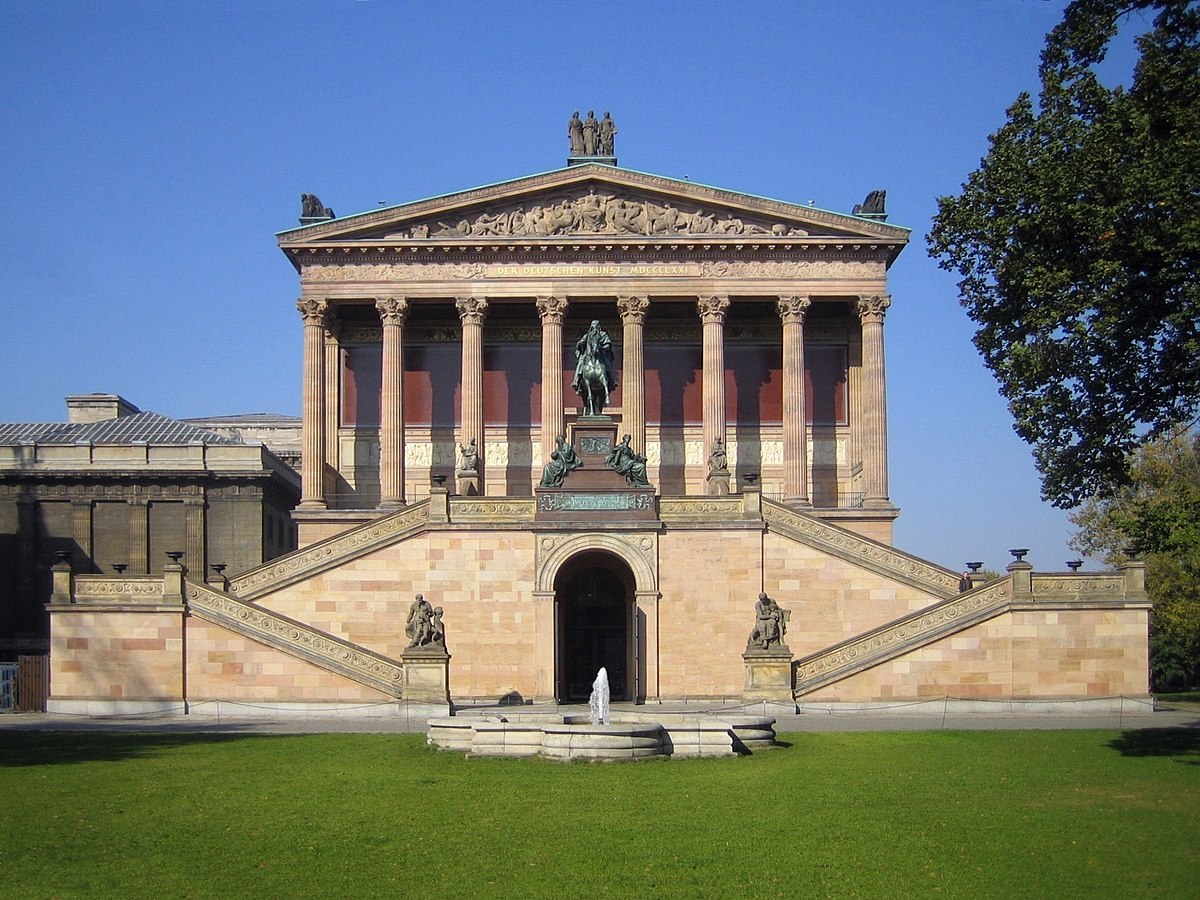
Alte Nationalgalerie
📍 Berlin, Germany
The Alte Nationalgalerie, an esteemed art museum located in Berlin’s Bezirk Mitte, is a cornerstone of cultural appreciation in Germany. This museum …