Overview
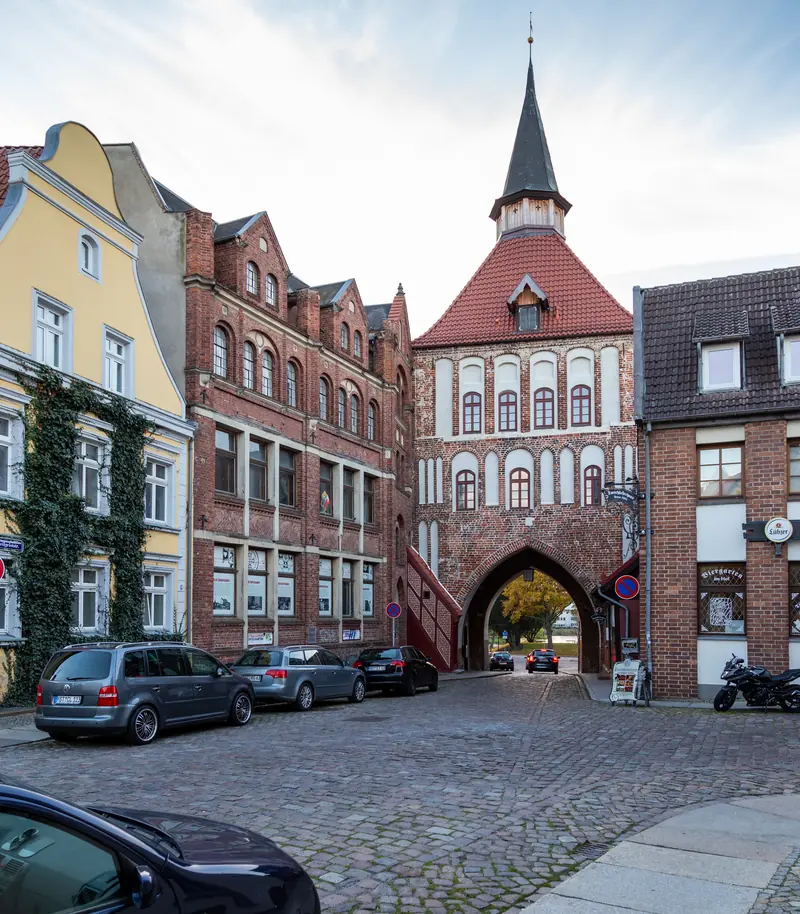
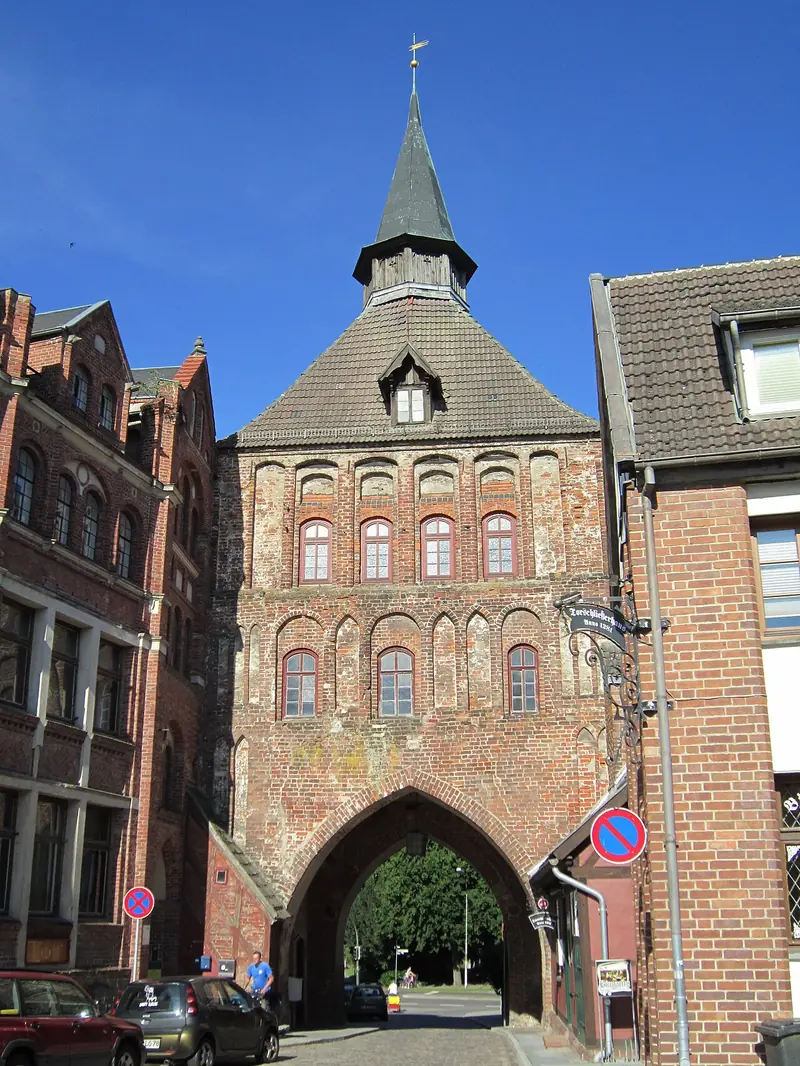
Kütertor, a historic city gate located in Stralsund, Germany, stands as a significant remnant of the city’s medieval fortifications. This architectural structure not only marks an entry point to the old town but also reflects the rich history and strategic importance of Stralsund in the Hanseatic League. The gate is emblematic of the city’s defensive architecture and serves as a reminder of its storied past, offering visitors a glimpse into Germany’s heritage.
Stralsund, situated on the northeastern coast of Germany, is known for its well-preserved medieval architecture and its role as a key trading hub in the Baltic Sea region. The Kütertor was part of the fortification system built to protect the city from potential invaders, showcasing the historical significance of such structures in urban development and defense strategies of the time. Today, Kütertor invites visitors to explore not just the physical gate itself, but also the broader historical narrative it represents within the context of Stralsund’s development.
As you approach this impressive structure, you will be struck by its size and the craftsmanship that went into its construction. Whether you are an architecture enthusiast, a history buff, or simply looking to explore the charming streets of Stralsund, a visit to Kütertor is sure to enhance your understanding of the city’s past and its architectural heritage.
History and Significance
The history of Kütertor is intertwined with that of Stralsund, a city that flourished during the Middle Ages due to its strategic location along trade routes in the Baltic Sea. The gate’s construction reflected the need for robust defenses as Stralsund became a significant member of the Hanseatic League, a powerful alliance of trading cities.
Throughout its existence, Kütertor has witnessed numerous historical events, including conflicts and changes in political power. The fortifications, including the gate, were designed not only to protect the city but also to control trade and manage the flow of people and goods into Stralsund. This dual purpose underscores the essential role that city gates like Kütertor played in urban life.
As you delve deeper into the significance of Kütertor, it’s important to recognize its role in the architectural evolution of the city. The design and construction techniques used in the gate reflect the medieval building practices of the time, and studying it can provide insights into the technological advancements of that era. Moreover, the gate is a vital part of Stralsund’s cultural heritage, contributing to the city’s identity and attracting visitors interested in exploring its historical landscape.
Today, Kütertor stands as a monument to the resilience and ingenuity of the people of Stralsund. It serves as a reminder of the city’s historical importance and the architectural styles that have shaped its character over the centuries.
Architecture and Features
Kütertor is an exemplary piece of medieval architecture, characterized by its robust construction and distinctive features. As a city gate, it served both functional and aesthetic purposes, embodying the defensive needs of Stralsund while also enhancing the city’s visual appeal.
The design of Kütertor includes thick stone walls and a formidable structure that showcases the defensive capabilities of medieval architecture. The gate’s imposing presence is complemented by a striking archway that once allowed passage for both people and vehicles. Its design reflects the typical styles of fortification found in German cities during the medieval period, characterized by the use of local materials and craftsmanship.
One of the notable architectural features of Kütertor is its decorative elements, which may include carvings or inscriptions that tell stories of the city’s past. These details add to the gate’s charm and provide insights into the cultural and artistic expressions of the time.
As you approach Kütertor, you will also notice the surrounding fortifications that were part of a larger defensive system. These walls were designed to protect the city from attacks, and their preservation allows visitors to appreciate the scale and significance of the original fortifications.
Overall, Kütertor stands as a fine example of medieval fortification architecture, reflecting the historical context in which it was built and the importance of such structures in urban defense.
Visiting Information
Visiting Kütertor is an enriching experience for anyone interested in history and architecture. The gate is located in Stralsund, which is accessible by various means of transport, including trains and buses. The city is well-connected to other major cities in Germany, making it a convenient destination for travelers.
When planning your visit, it is important to check the official website for current information regarding opening hours and any potential entry fees. While the gate itself can be appreciated from the outside, exploring the surrounding area often enhances the experience, as you can witness the impressive fortifications and the charm of Stralsund’s historic old town.
Visitors typically spend around one to two hours at Kütertor, depending on their interest in exploring the gate and the surrounding historical context. The best times to visit are often during the spring and summer months when the weather is pleasant, allowing for leisurely exploration of the area.
Expect to encounter a blend of local history and architecture, with opportunities for photography and quiet reflection. The area around Kütertor is also rich with cafes and shops, providing a perfect setting for a break after your visit.
Nearby Attractions
While visiting Kütertor, there are several nearby attractions worth exploring:
St. Mary’s Church: This impressive Gothic church, located just a short walk away, is known for its stunning architecture and historical significance.
Stralsund Museum: A local museum that offers insights into the city’s history, culture, and art. It is a great place to further understand Stralsund’s role in the Hanseatic League.
Ozeanum: An aquarium and marine research center, ideal for families and those interested in marine life and conservation.
The Old Market Square (Alter Markt): A vibrant area filled with historic buildings, shops, and cafes, providing a perfect backdrop for leisurely strolls.
Stralsund Harbor: A picturesque area to enjoy views of the harbor, with opportunities for boat tours and waterfront dining.
Insider Tips
To make the most of your visit to Kütertor, consider the following insider tips:
Photography: The gate offers excellent opportunities for photography, especially during the golden hours of sunrise and sunset. Capture the gate from different angles to appreciate its architectural details.
Crowd Avoidance: If you prefer a quieter experience, try to visit early in the morning or during weekdays. This will allow you to enjoy the site with fewer tourists around.
Combine Visits: Plan your visit to include nearby attractions to maximize your time in Stralsund. The combination of history and culture in the area makes for a fulfilling day.
Practical Information
When planning your visit to Kütertor, here are some practical considerations:
What to Bring: Comfortable walking shoes are recommended, as the area around Kütertor and the old town of Stralsund is best explored on foot. A camera is also a must for capturing the stunning architecture.
Seasonal Considerations: While the gate can be visited year-round, spring and summer months are ideal for pleasant weather and outdoor exploration. Be prepared for colder temperatures if visiting in winter.
Local Amenities: Nearby cafes and shops provide refreshments and souvenirs, making it convenient to take a break during your visit.
Frequently Asked Questions
How long should I spend visiting?
Visitors typically spend about one to two hours at Kütertor, depending on their interest in the gate and surrounding area.
Is photography allowed?
Yes, photography is allowed, and it is encouraged to capture the architectural beauty of Kütertor.
Are there guided tours?
Check the official website for information on guided tours, which may be available in conjunction with other historical sites in Stralsund.
What’s the best time to visit?
The best times to visit are during the spring and summer months when the weather is pleasant, allowing for exploration of the area.
Is it wheelchair accessible?
While Kütertor itself can be approached easily, check the official website for specific accessibility information regarding the surrounding area.
Can I buy tickets online?
Check the official website for information on ticket purchasing options, including any potential online sales.
Are there restrooms and cafes?
Nearby cafes offer refreshments, and public restrooms can typically be found within walking distance in the old town.
What should I wear?
Dress comfortably and appropriately for the weather, as you will likely be walking and exploring the area around Kütertor.
Photo Gallery