Overview
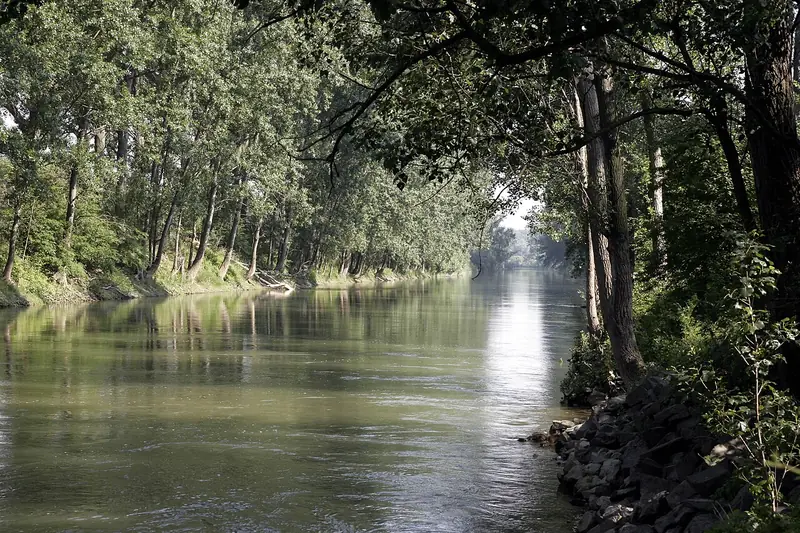
Kühkopf-Knoblochsaue is a remarkable nature reserve located in the heart of Hesse, Germany. This expansive area serves as a crucial ecological habitat, reflecting the natural biodiversity characteristic of the region. With a landscape shaped by the meandering rivers of the Rhine, Kühkopf-Knoblochsaue offers a rich and vibrant ecosystem, providing sanctuary for numerous species of flora and fauna. As a nature reserve, it underscores the importance of conservation and environmental stewardship, inviting visitors to connect with nature while promoting awareness of ecological preservation.
The reserve’s geographical coordinates, 49.8239° N latitude and 8.4491° E longitude, place it within a unique environmental context, where the interplay of water and land creates diverse habitats. This area is not just a refuge for wildlife; it also plays a significant role in the regional landscape, contributing to the natural heritage of Germany. Whether you are a nature enthusiast, a wildlife observer, or someone seeking tranquility away from urban life, Kühkopf-Knoblochsaue promises an enriching experience.
Visiting this nature reserve offers an opportunity to engage with the environment on a deeper level. With its varied ecosystems, visitors can enjoy activities such as birdwatching, hiking, and photography, all while appreciating the beauty and complexity of natural habitats. As you explore this reserve, you will gain insights into the delicate balance of nature and the importance of preserving such precious landscapes for future generations.
History and Significance
The history of Kühkopf-Knoblochsaue is deeply intertwined with the ecological and cultural evolution of the region. While specific historical dates and events may not be documented, the area has long been recognized for its significant biodiversity and natural beauty. The reserve encompasses habitats shaped by the dynamics of the Rhine River, which have been influential in determining the local flora and fauna.
Kühkopf-Knoblochsaue serves as a critical area for wildlife, providing essential breeding grounds and feeding areas for various species. The ecological significance of this reserve cannot be overstated, as it contributes to the overall health of the ecosystem by supporting both resident and migratory species. The efforts to conserve the area’s natural resources reflect a growing recognition of the need to protect vulnerable ecosystems.
Culturally, Kühkopf-Knoblochsaue holds importance for local communities who value the natural environment and its resources. The reserve not only serves as a recreational space but also as an educational platform where visitors can learn about the importance of biodiversity and sustainability. Programs aimed at fostering appreciation for nature and promoting conservation efforts are often hosted in this area, making it an essential part of local environmental initiatives.
As visitors explore Kühkopf-Knoblochsaue, they are encouraged to contemplate the historical interactions between humans and nature. The ongoing conservation efforts highlight the commitment to preserving this unique environment, ensuring that future generations can also experience its wonders. In understanding the significance of Kühkopf-Knoblochsaue, one can appreciate how this nature reserve stands as a crucial component of both the local heritage and the broader narrative of environmental conservation in Germany.
Architecture and Features
While Kühkopf-Knoblochsaue is primarily a nature reserve focused on the preservation of ecosystems, it features several notable characteristics that enhance the visitor experience. The landscape is marked by a variety of habitats, including wetlands, meadows, and wooded areas. Each of these environments plays a role in supporting the diverse wildlife that inhabits the reserve.
The wetlands, in particular, are a highlight of Kühkopf-Knoblochsaue, acting as vital breeding grounds for numerous bird species. This aspect of the reserve is especially appealing to birdwatchers, who can observe a wide array of migratory and resident birds throughout the seasons. Additionally, the presence of various plant species adds to the ecological richness of the area, creating a vibrant tapestry of colors and textures.
The pathways within the reserve are designed to facilitate exploration while minimizing impact on the environment. Visitors can stroll along these trails and immerse themselves in the natural surroundings, offering opportunities for quiet reflection or lively family outings. Information boards scattered throughout the area provide insights into the local flora and fauna, enhancing the educational experience for visitors of all ages.
While Kühkopf-Knoblochsaue is not characterized by man-made architectural features, its natural architecture is compelling in its own right. The interplay of light through the trees, the sounds of water flowing in the wetlands, and the variety of wildlife create a sensory experience that is both calming and invigorating. The reserve serves as a reminder of the beauty inherent in natural landscapes and the importance of preserving such environments for future generations.
Visiting Information
Kühkopf-Knoblochsaue is accessible to visitors looking to experience its natural wonders. Transportation options may vary, so checking the official website for current information regarding access routes and public transport is advisable. Whether you arrive by car or public transit, the journey to the reserve is part of the overall experience, as you transition from urban settings to the tranquility of nature.
Upon arrival, visitors can expect well-marked trails that guide them through the various habitats of the reserve. It is recommended to allocate several hours to fully explore the area; however, the exact time required can depend on individual interests and the specific activities you wish to engage in, such as birdwatching or photography. The reserve is generally open to visitors throughout the year, but checking the official website for seasonal hours and any special events is prudent.
Best times to visit Kühkopf-Knoblochsaue often align with the changing seasons. Spring and summer are particularly popular due to the abundance of wildlife and blooming flora, while autumn offers stunning foliage. Winter visits may present a quieter experience, ideal for those seeking solitude in nature.
As you plan your visit, be sure to check for any updates on guided tours or educational programs that may be available. Such initiatives can enrich your understanding of the reserve and its ecological significance, providing a deeper connection to the landscape.
Nearby Attractions
Visitors to Kühkopf-Knoblochsaue will find a number of interesting locations within a short distance that complement their nature experience. Here are a few notable attractions:
Rheinau Island: Just a short journey away, this island is known for its picturesque landscapes and walking trails. It offers a unique opportunity to explore the Rhine River’s natural beauty.
Darmstadt: This nearby city features rich cultural and architectural heritage, including the Mathildenhöhe, a historical artists’ colony. Visitors can explore galleries, museums, and beautiful parks.
Bensheim: A charming town located at the edge of the Odenwald mountains, Bensheim offers a blend of history and outdoor activities, including hiking trails and vineyards.
Heppenheim: Renowned for its medieval town center, this picturesque town is home to historical buildings and offers scenic views of the surrounding countryside.
Bergstraße: Known for its wine route, the Bergstraße region is ideal for those interested in exploring vineyards and scenic landscapes while sampling local wines.
Insider Tips
To make the most of your visit to Kühkopf-Knoblochsaue, here are some insider tips:
Photography Opportunities: The natural landscapes and wildlife provide ample opportunities for photography. Early mornings and late afternoons often yield the best light for capturing the beauty of the reserve.
Crowd Avoidance: Visiting during weekdays or early in the morning can help you enjoy a quieter experience, especially during peak seasons when the reserve may see more visitors.
Wildlife Observation: Bring binoculars for birdwatching, as many species can be observed from designated viewing spots. Patience is key when waiting for wildlife to appear.
Practical Information
When preparing for your visit to Kühkopf-Knoblochsaue, consider the following practical information:
What to Bring: Comfortable walking shoes, water, snacks, and sunscreen are recommended. Binoculars and a camera can enhance your experience, especially for wildlife observation.
Seasonal Considerations: Each season brings unique experiences to the reserve. Spring and summer are ideal for blooming flowers and active wildlife, while autumn offers stunning foliage. Winter can provide a serene atmosphere, although be prepared for colder temperatures.
Safety and Respect: As a nature reserve, it is important to respect the environment. Stick to designated trails, refrain from disturbing wildlife, and follow any guidelines provided to ensure the preservation of this precious ecosystem.
Frequently Asked Questions
How long should I spend visiting?
A visit can range from a couple of hours for a quick walk to a full day if you plan to explore extensively and engage in activities like birdwatching.
Is photography allowed?
Yes, photography is welcome, particularly for wildlife enthusiasts. Respect nature and avoid disturbing animals while capturing their images.
Are there guided tours?
Check the official website for current information on guided tours, which may offer deeper insights into the reserve’s ecology and history.
What’s the best time to visit?
Spring and summer are popular for wildlife activity, while autumn provides beautiful foliage. Each season offers a unique experience.
Is it wheelchair accessible?
Information about accessibility may vary. Check the official website for current details on pathways and facilities.
Can I buy tickets online?
Check the official website for information regarding any fees or ticketing requirements.
Are there restrooms and cafes?
Facilities may vary, so check the official website for information on amenities available at the reserve.
What should I wear?
Wear comfortable clothing suitable for walking and consider layers, as temperatures can change throughout the day. Waterproof footwear may be beneficial, especially during wet seasons.



