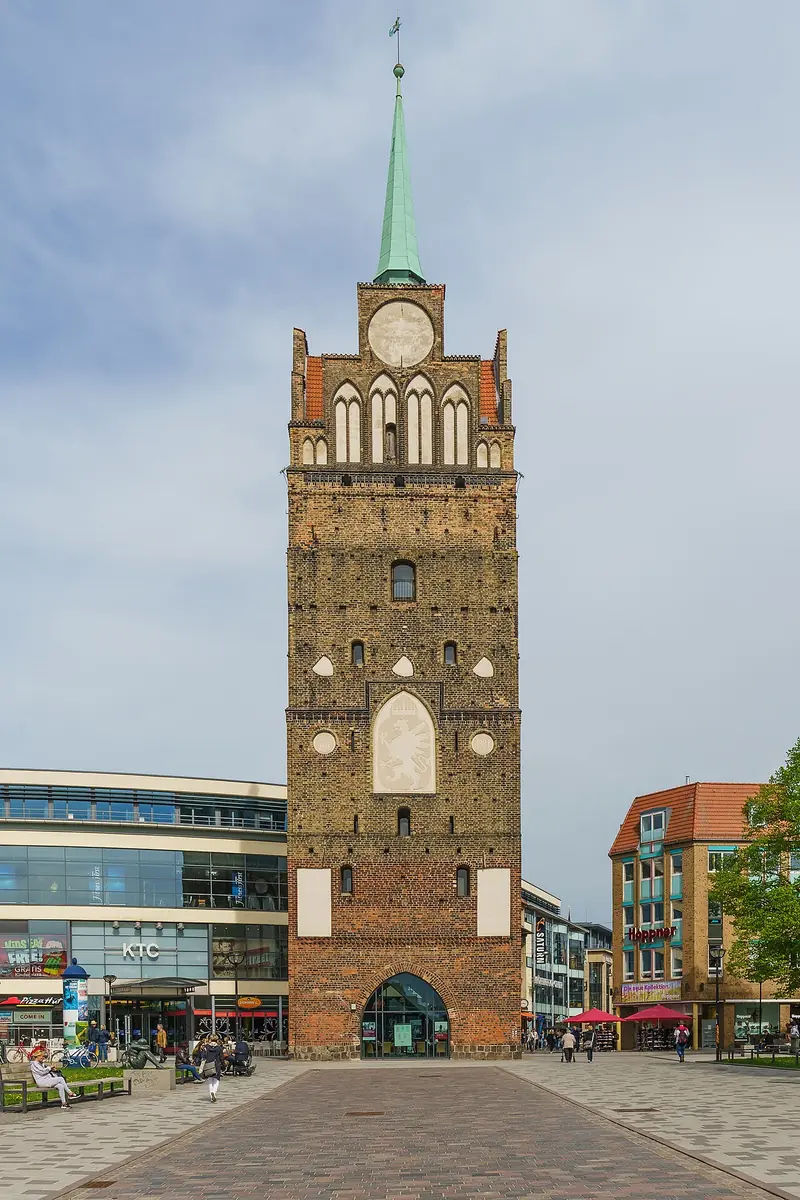
Overview
Kröpeliner Tor, a historic city gate located in Rostock, Germany, stands as a remarkable symbol of the city’s medieval past. As one of the most significant remnants of Rostock’s fortifications, this impressive structure serves not only as a gateway into the bustling city but also as a testament to the rich history of trade and defense that shaped the region. Today, it invites visitors to explore its storied past while enjoying the vibrant atmosphere of one of Germany’s oldest cities.
Situated at the nexus of medieval trade routes, Kröpeliner Tor has long been a focal point for both locals and travelers alike. Its strategic importance and architectural beauty make it a compelling destination for those eager to delve into Rostock’s heritage. Visitors can expect to encounter a blend of history and contemporary culture, as the surrounding area is lined with shops, cafes, and historic buildings, creating a lively ambiance that enhances the experience of stepping through this ancient gate.
History and Significance
The history of Kröpeliner Tor is intertwined with the development of Rostock, which dates back to the 13th century. Originally constructed as part of the city’s fortifications, this gate played a crucial role in safeguarding the city against various threats over the centuries. As one of the main entrances to Rostock, it facilitated commerce and movement, reflecting the city’s growth as a trading hub in Northern Europe.
Throughout its existence, Kröpeliner Tor has witnessed significant events that have shaped the region. It has withstood sieges, wars, and the passage of time, symbolizing the resilience of the city and its inhabitants. The gate is not merely a physical structure but also a cultural landmark that embodies the spirit of Rostock. Its preservation allows visitors to connect with the past and understand the historical context of the city’s development.
In addition to its defensive function, Kröpeliner Tor served as a point of entry for merchants and travelers, contributing to Rostock’s economic vitality. The gate’s architecture reflects the gothic style prevalent during its construction, featuring intricate details that speak to the craftsmanship of the era. As a significant historical site, it continues to attract attention from historians and tourists alike, eager to explore its legacy.
Architecture and Features
Kröpeliner Tor is an excellent example of medieval fortification architecture, characterized by its robust structure and decorative elements. The gate features two large towers flanking the central archway, which was designed to accommodate the passage of both pedestrians and vehicles. Its imposing presence is accentuated by the use of brick, a material that was commonly employed in Northern German architecture during the Middle Ages.
The design of Kröpeliner Tor incorporates elements that are both functional and aesthetic. The towers are crowned with crenellations, allowing for defensive positioning. Over time, the gate has been preserved and restored, maintaining its historical integrity while adapting to modern needs. Visitors will notice the intricate masonry and the careful attention to detail that highlights the skill of the builders.
As a city gate, Kröpeliner Tor also features small openings that were historically used for defense and surveillance. These architectural elements enhance the gate’s character, offering a glimpse into the strategic considerations of its creators. Today, the gate stands not only as a remnant of the past but also as a focal point for cultural events and gatherings within the city.
Visiting Information
When planning a visit to Kröpeliner Tor, travelers can expect a variety of experiences. The site is easily accessible, located in the heart of Rostock, making it a convenient stop for those exploring the city. Public transport options, including buses and trams, provide easy access to the area. For those driving, nearby parking facilities are available, although it’s always advisable to check for current parking regulations.
Visitors are encouraged to check the official website for current information regarding opening hours and any potential entrance fees. This ensures that you have the most accurate details before your visit. The time needed to explore Kröpeliner Tor can vary, but a general recommendation is to allocate at least an hour to fully appreciate the gate and its surroundings. This allows for leisurely exploration, photography opportunities, and perhaps a moment to enjoy the local atmosphere.
The best times to visit Kröpeliner Tor are during the spring and early autumn months when the weather is pleasant, and the city hosts various cultural events. During these seasons, the bustling outdoor cafés and markets surrounding the gate add to the vibrant experience.
Nearby Attractions
Rostock is a city rich in history and culture, and several nearby attractions complement a visit to Kröpeliner Tor:
St. Mary’s Church (Marienkirche): Just a short walk from the gate, this stunning Gothic church features remarkable stained glass windows and a famous astronomical clock.
Rostock Harbor: A vibrant area filled with maritime history, the harbor offers picturesque views, dining options, and opportunities for boat tours.
University of Rostock: Founded in 1419, this historic institution boasts beautiful architecture and well-kept grounds that are worth exploring.
Alter Markt: The Old Market Square is a lively hub with cafes, shops, and historical buildings, providing a perfect spot to relax and soak in the local atmosphere.
Botanical Garden: A serene escape from the bustling city, the botanical garden showcases a diverse collection of plants and offers a peaceful walking path.
Insider Tips
For those looking to capture the perfect photograph of Kröpeliner Tor, early morning or late afternoon light creates the most flattering conditions. This timing not only enhances the architectural details but also reduces the likelihood of crowds in your photos. If you prefer a quieter experience, consider visiting during weekdays, as weekends tend to attract more tourists.
Additionally, take time to explore the surrounding area and discover the local shops and cafes. Engaging with the local culture can enhance your visit and provide a deeper appreciation for Rostock’s heritage.
Practical Information
When visiting Kröpeliner Tor, it is advisable to bring a few essentials to ensure a comfortable experience. Wear comfortable shoes, as you will likely be walking around the area, and consider dressing in layers, as the weather can vary. If you plan to spend an extended period exploring the city, a refillable water bottle and a small snack can be beneficial.
Seasonal considerations are also important; during the summer months, sun protection and hydration are key, while in winter, layering up will keep you warm as you explore the open-air sites.
Frequently Asked Questions
How long should I spend visiting?
A visit to Kröpeliner Tor typically takes about an hour, allowing time for exploration and photos.
Is photography allowed?
Yes, photography is generally allowed at Kröpeliner Tor, so feel free to capture its architectural beauty.
Are there guided tours?
Check the official website for information regarding guided tours and any scheduled events.
What’s the best time to visit?
The best times to visit are during the spring and early autumn when the weather is mild and outdoor activities are plentiful.
Is it wheelchair accessible?
While the gate itself is located in an urban area, check the official website for detailed accessibility information.
Can I buy tickets online?
For current ticketing options, including online purchases, please refer to the official website.
Are there restrooms and cafes?
Yes, there are restrooms and nearby cafes in the vicinity of Kröpeliner Tor for visitor convenience.
What should I wear?
Dress comfortably, considering the weather, and wear suitable footwear for walking around the historic area.