Overview
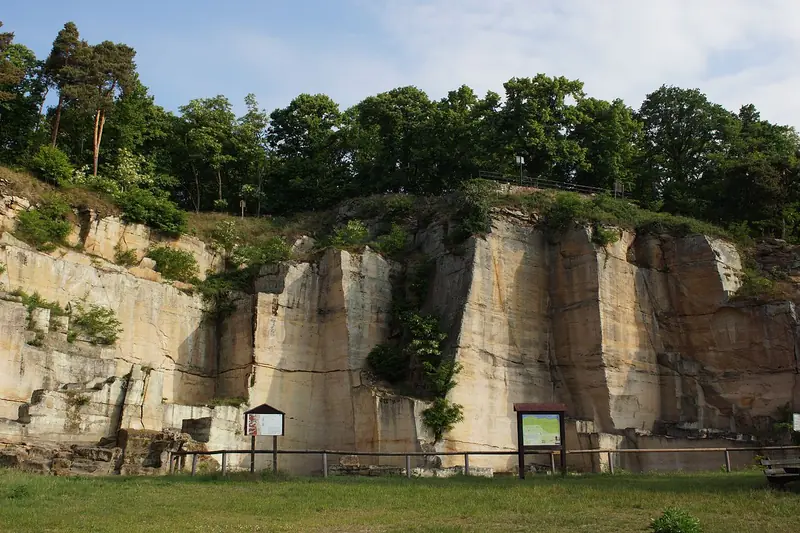
Just outside the bustling towns of Germany, the Kriemhildenstuhl archaeological site offers a glimpse into the past, revealing the remnants of an ancient Roman quarry. This site, marked by its historical significance, invites you to explore the craftsmanship and engineering prowess of the Romans who once inhabited this region. The archaeological site is characterized by rugged terrain that echoes the artistry of a bygone era, making it a captivating destination for history enthusiasts and curious travelers alike.
Situated at coordinates 49.4639, 8.15868, Kriemhildenstuhl is surrounded by a landscape that has transformed over the centuries, yet the echoes of its Roman origins remain palpable. This site is not just a collection of stones; it represents a piece of the larger narrative of Roman influence in Europe. You’ll discover how ancient quarrying methods shaped not only the local architecture but also the very fabric of society during that time.
Visiting Kriemhildenstuhl offers a unique opportunity to walk in the footsteps of history, to ponder the lives of those who quarried stone here, and to appreciate the remarkable skills that have endured throughout the ages. Whether you are an ardent archaeologist or a casual traveler, this site promises to enrich your understanding of Roman heritage and its lasting impact.
History and Significance
Kriemhildenstuhl stands as a testament to the Roman Empire’s extensive influence in Europe. Over the centuries, this site functioned as a vital quarry, providing stone for various construction projects that characterized Roman architecture. The ancient Romans were known for their engineering skills, and this site exemplifies their ability to exploit natural resources for monumental building efforts.
While specific dates regarding the quarry’s operation are not documented, it is understood that Roman quarries played a significant role in the development of towns and cities across the region. The stone extracted here would have contributed to the construction of temples, roads, and public buildings, all fundamental to Roman urban life. As you explore the site, consider the craftsmanship involved and the laborers whose efforts enabled the growth of Roman settlements.
The cultural importance of Kriemhildenstuhl extends beyond its physical remnants. It serves as a reminder of the interconnectedness of ancient societies and their reliance on natural resources. The quarry not only fulfilled practical needs but also facilitated trade and interaction among different cultures within the Roman Empire. This aspect of Kriemhildenstuhl adds depth to its historical significance, positioning it within a broader context of cultural exchange and development.
Architecture and Features
The architectural features of Kriemhildenstuhl reflect the ingenuity of Roman quarrying techniques. The remnants of the quarry reveal carefully carved stone blocks, showcasing the precision and skill that were hallmarks of Roman craftsmanship. As you wander through the site, you’ll notice the intricate patterns left behind by the tools of the quarrymen, providing insight into their work methods.
The site primarily consists of large stone formations that were once part of an extensive network of quarries throughout the region. Visitors can observe the sheer scale of the extraction operations, with rock faces that demonstrate both the geological characteristics of the area and the systematic approach the Romans employed in stone harvesting. This combination of natural landscape and human intervention creates a visually striking environment.
One notable feature of Kriemhildenstuhl is the positioning of the quarry itself, which takes advantage of the surrounding landscape. The site’s elevation allows for easy access to the stone while also providing vantage points to observe the area below. The interplay between the natural topography and the quarrying activities results in a unique visual experience that underscores the relationship between the Romans and their environment.
Visiting Information
Getting to Kriemhildenstuhl involves navigating the well-connected transport options available in Germany. Various forms of public transportation may lead you closer to the site, and local roads make it accessible for those traveling by car.
Hours: Check the official website for current opening hours.
Prices: Visit the official website for current admission prices.
Expect an immersive visitor experience as you explore the remnants of this ancient quarry. The site is designed to encourage reflection and exploration, allowing you to engage with the history that permeates the ground beneath your feet. A typical visit might take around 1-2 hours, giving you ample time to soak in the surroundings and contemplate the significance of what you see.
The best times to visit are often in the morning when crowds are lighter, and the natural light enhances the beauty of the stone formations. Spring and fall are particularly pleasant for weather, providing comfortable temperatures for exploration.
Accessibility considerations vary, so it is advisable to contact the site directly for the latest information regarding accessibility options.
Nearby Attractions
While visiting Kriemhildenstuhl, consider exploring these nearby sites that further enrich your understanding of the region’s heritage:
Roman Fortifications: Scattered throughout the area, remnants of Roman fortifications provide insight into military architecture and the strategic importance of the region during Roman times.
Local Museums: Various museums in the nearby area house artifacts and exhibits related to Roman history, allowing for a deeper appreciation of the cultural context surrounding Kriemhildenstuhl.
Historic Towns: The region features several historic towns showcasing well-preserved architecture and local culture, offering a charming atmosphere and additional historical context.
Natural Parks: Explore the surrounding natural parks that highlight the beauty of the landscape. These parks often provide walking trails and scenic viewpoints, complementing your visit to Kriemhildenstuhl.
Insider Tips
For the best photography opportunities, visit early in the morning or late in the afternoon when the light casts interesting shadows on the stone formations. Look for unique angles that capture both the quarry’s scale and its intricate details.
As you explore, pay attention to lesser-known carvings and marks left by ancient quarrymen; these subtle features can tell you much about the techniques and tools used in Roman stone extraction.
To avoid crowds, consider visiting during the week rather than on weekends. This will enhance your experience, allowing for a more contemplative visit to the site.
Local tips suggest bringing a good pair of walking shoes, as the terrain can be uneven. Additionally, a camera or sketchbook can help you document the fascinating details you encounter along the way.
Practical Information
When planning your visit to Kriemhildenstuhl, it’s advisable to bring essentials such as water, snacks, and appropriate clothing for the weather. Seasonal considerations are important; spring and fall offer pleasant temperatures, while summer can be warm and winter may present challenges due to cold weather.
Consolidating your visit details, remember to check the official website for current information regarding hours and admission prices.
In summary, prepare for an engaging experience that combines history with the natural landscape, ensuring your visit to Kriemhildenstuhl is both informative and enjoyable.
Frequently Asked Questions
How long should I spend visiting?
A visit to Kriemhildenstuhl typically takes about 1-2 hours. This timeframe allows you to explore the site thoroughly and appreciate its historical significance.
Is photography allowed inside?
Photography is generally allowed on site, but it’s advisable to check for any specific guidelines or restrictions upon arrival.
Are there guided tours available?
Guided tours may be available, but it’s best to contact the site directly for the latest information regarding tour options and availability.
What’s the best time of day to visit?
Morning visits are often recommended to avoid crowds and enjoy a quieter experience while exploring the site.
Is the site wheelchair accessible?
Accessibility details can vary, so it’s important to contact the site directly for the latest information on wheelchair access.
Can I buy tickets online?
Check the official website for current information regarding ticket purchasing options.
Are there facilities like restrooms and cafes?
Facilities may be limited at the site, so it’s advisable to plan accordingly. Contact the site directly for the latest information on available amenities.
What should I wear when visiting?
Dress comfortably and wear sturdy shoes suitable for walking on uneven terrain. Consider layering clothing to accommodate changing weather conditions.



