Overview
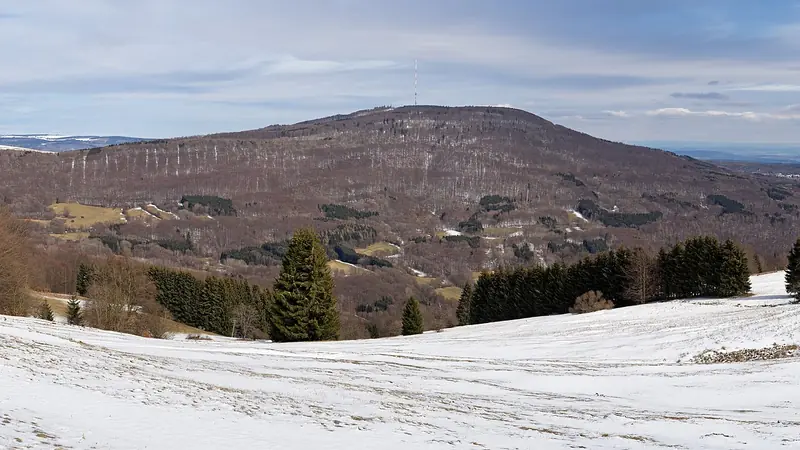
Kreuzberg, a prominent mountain located in the picturesque municipality of Bischofsheim in der Rhön, Bavaria, Germany, invites visitors to explore its natural beauty and vibrant landscapes. Rising gracefully within the region’s rolling hills, Kreuzberg is part of the UNESCO Biosphere Reserve Rhön, a hotspot for nature lovers and outdoor enthusiasts alike. Renowned for its diverse flora and fauna, this mountain is not just a destination; it serves as a sanctuary for wildlife and a place of solace for hikers and travelers.
The area surrounding Kreuzberg is characterized by its striking views, lush greenery, and unique geological formations, making it an ideal location for a variety of outdoor activities, including hiking, cycling, and birdwatching. Whether you are an adventure seeker, a nature enthusiast, or someone looking to immerse themselves in the tranquility of the Bavarian countryside, Kreuzberg promises a rewarding experience.
Visitors can expect to encounter a blend of stunning natural features and opportunities for exploration that highlight the Rhön region’s ecological significance. The mountain’s elevation offers a vantage point for breathtaking panoramic views, inviting you to connect with the serene environment while learning about the area’s rich ecological heritage.
History and Significance
Kreuzberg’s historical significance is intertwined with both natural and cultural narratives that span centuries. The mountain is a part of the broader Rhön region, which has long been a site of settlement and spiritual significance. Historically, it has served as a vital landscape for local communities, providing resources and recreational opportunities.
The mountain’s prominence is not solely attributed to its height; it is also recognized for its role in local folklore and traditions. The area around Kreuzberg has been a site of pilgrimage, with the nearby Abbey of Kreuzberg, established in the 18th century, drawing visitors seeking spiritual solace. This abbey, known for its beer brewed by monks, further enhances the cultural fabric of the region, adding depth to its historical significance.
The ecological importance of Kreuzberg cannot be overlooked. The mountain is part of a UNESCO Biosphere Reserve, underscoring its role in conservation efforts and the study of biodiversity. The Rhön region is celebrated for its unique landscapes and ecosystems, which include rare species of flora and fauna. As such, Kreuzberg is not just a physical landmark but a crucial area for ecological research and preservation.
Visitors to Kreuzberg can appreciate the intertwining of natural beauty and cultural heritage, offering insight into the area’s past while fostering a deeper understanding of its environmental importance.
Architecture and Features
Kreuzberg’s physical features are marked by its impressive elevation and the surrounding landscape that enhances its majesty. Although specific architectural details about structures like the Abbey of Kreuzberg are not included, the mountain itself is defined by its natural formations. The terrain features a mix of rocky outcrops, dense woodlands, and open meadows, each contributing to the mountain’s unique character.
The summit of Kreuzberg provides visitors with expansive views of the surrounding area, showcasing the rolling hills and valleys that define the Rhön. The diverse biotope supports various wildlife, making it a haven for birdwatchers and nature photographers.
One of the notable features near Kreuzberg includes its network of well-marked hiking trails. These paths cater to various skill levels, allowing both novice and experienced hikers to explore the mountain’s beauty. Along these trails, visitors may encounter educational signage that provides insights into the local ecology, plant species, and conservation efforts, enriching the hiking experience.
The presence of the Abbey of Kreuzberg adds a cultural layer to the landscape. While specific architectural details are not available, the abbey contributes to the charm of the area and serves as a reminder of the mountain’s historical significance.
Visiting Information
Visiting Kreuzberg offers a chance to immerse yourself in the natural beauty of Bavaria. To reach the mountain, there are various transport options available, including regional trains and buses that connect to Bischofsheim. Once in Bischofsheim, local signage will guide you to the mountain trails.
For current hours, pricing, and specific visitor information, it is advisable to check the official website before your visit. Expect to spend at least a few hours exploring the area, with options for longer hikes depending on your interests and stamina.
The best times to visit Kreuzberg are during the spring and autumn months, when the weather is mild and the landscapes are vibrant with seasonal colors. Summer can also be pleasant, but be prepared for larger crowds, especially on weekends.
While at Kreuzberg, make sure to wear appropriate footwear and bring essentials such as water, snacks, and possibly a camera to capture the stunning vistas. The network of trails varies in difficulty, so plan accordingly and choose paths that match your fitness level.
Nearby Attractions
Kreuzberg’s location in the Rhön region places it near several attractions worth exploring:
Abbey of Kreuzberg: A short distance from the mountain, this historic abbey is known for its beer and serene atmosphere, making it a popular stop for visitors.
Rhön Biosphere Reserve: This expansive reserve offers additional hiking opportunities and educational experiences focused on conservation and biodiversity.
Bischofsheim: The charming town serves as a gateway to the surrounding nature, featuring local shops and eateries that reflect the region’s culture.
Wasserkuppe: Known as the highest peak in the Rhön, Wasserkuppe is a fantastic destination for both hiking and winter sports, providing a different perspective on the region’s natural beauty.
Milseburg: Another peak nearby, Milseburg features hiking trails and a lookout tower that offers wonderful views of the surrounding landscape.
Insider Tips
For the best photography opportunities, consider visiting Kreuzberg early in the morning or late in the afternoon. The soft light during these times enhances the natural beauty of the landscape and minimizes harsh shadows.
To avoid large crowds, try to plan your visit during weekdays or in the early morning hours on weekends. This will allow you to experience the tranquility of the mountain and enjoy the scenery without the hustle and bustle of larger groups.
Practical Information
When planning your visit to Kreuzberg, be sure to bring essentials like sturdy hiking boots, water, and snacks. A map or a downloaded trail app can be helpful, as cell service may be limited in some areas.
Seasonal considerations are important; spring and autumn offer comfortable temperatures for outdoor activities, while summer can bring warmer weather, requiring sun protection. In winter, check local conditions, as snow may affect trail accessibility and require appropriate gear.
Frequently Asked Questions
How long should I spend visiting?
A visit to Kreuzberg typically takes a few hours, but you can spend the entire day if you wish to explore multiple trails and enjoy a leisurely picnic.
Is photography allowed?
Yes, photography is allowed, and the mountain offers numerous scenic spots for capturing beautiful images.
Are there guided tours?
While specific guided tours may not be listed, local tourism offices can provide information about available options.
What’s the best time to visit?
Spring and autumn are ideal for visiting due to mild weather and vibrant scenery. Summer can also be enjoyable but may attract larger crowds.
Is it wheelchair accessible?
Checking the specific trail conditions is recommended, as some areas may be more accessible than others.
Can I buy tickets online?
For current ticketing options and information, check the official website before your visit.
Are there restrooms and cafes?
Facilities may be limited; check the official website or local resources for updates on available amenities.
What should I wear?
Dressing in layers is advisable, as temperatures can vary. Comfortable hiking shoes and weather-appropriate clothing are recommended for a day outdoors.
In summary, Kreuzberg offers a unique blend of natural beauty and cultural significance, making it a worthwhile destination for those looking to engage with the rich landscapes of Bavaria. Whether you are hiking the trails or simply taking in the views, this mountain is sure to leave a lasting impression.



