Overview
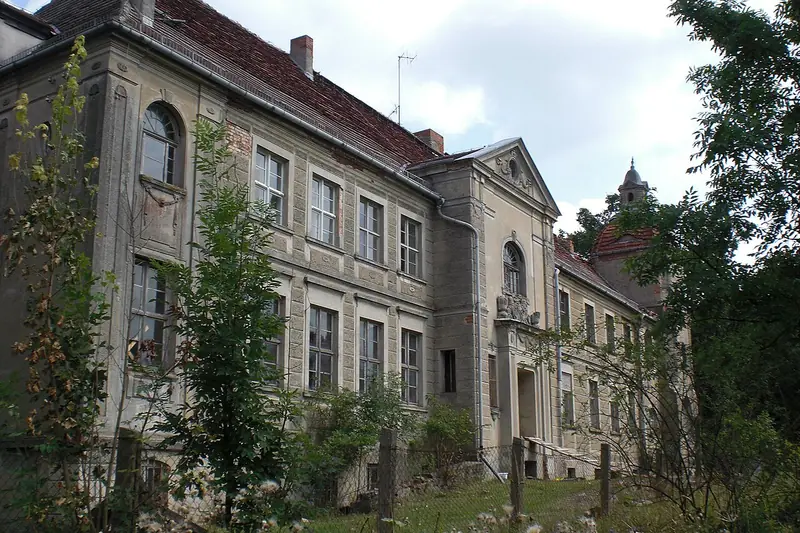
Krampfer Palace, an elegant 18th-century manor house, is situated in the quaint village of Krampfer within the municipality of Plattenburg, Brandenburg, Germany. This historic building stands as a notable example of the architectural style and cultural heritage of the region, offering visitors an opportunity to explore its storied past and aesthetic charm. The palace is not only a significant landmark in the Prignitz district but also a testament to the area’s historical evolution, reflecting the lifestyle of the nobility of its time.
Surrounded by the picturesque landscapes of northern Germany, Krampfer Palace invites travelers to immerse themselves in its serene environment and rich history. Whether you are an architecture enthusiast, a history buff, or simply seeking a peaceful getaway, this manor house promises a captivating experience. With its charming exterior and historical significance, Krampfer Palace is a destination that warrants a visit for anyone exploring the cultural landscapes of Brandenburg.
History and Significance
The history of Krampfer Palace is woven into the broader narrative of the region’s development. Constructed in the 18th century, this manor house reflects the architectural and social trends of its time, serving as a residence for the local nobility. The significance of Krampfer Palace extends beyond its physical structure; it embodies the cultural and historical shifts that have occurred in Brandenburg over the centuries.
As an 18th-century manor house, Krampfer Palace stands as a reminder of the feudal system that once dominated the social and economic landscape of Germany. The palace’s architecture is indicative of the era’s style, characterized by elegant lines and ornamental details. Over the years, the building has witnessed various historical events, which have shaped its current status as a heritage site. Although specific dates and detailed accounts of its past may not be readily available, the palace’s enduring presence reflects the resilience of the architectural styles and cultural narratives of the region.
The cultural importance of Krampfer Palace is further highlighted by its role in the local community. It has served as a venue for gatherings and events, fostering social connections and cultural exchange among residents and visitors alike. The palace is not only a historical artifact but also a living part of the community’s identity, contributing to the collective memory of the area.
Architecture and Features
Krampfer Palace exemplifies the architectural elegance typical of 18th-century manor houses in Germany. The structure’s design combines practical living spaces with decorative elements that reflect the tastes of the time. While specific details about its dimensions and layout are not provided, the overall aesthetic is characterized by a harmonious blend of form and function.
Visitors to Krampfer Palace will notice its distinctive façade, which showcases the craftsmanship of the period. The building likely features ornate moldings, symmetrical windows, and a commanding entrance that reflects the status of its former inhabitants. Inside, the palace may contain grand halls and well-appointed rooms that speak to the lifestyle of the nobility, although the specific interior features are not detailed.
The surrounding grounds of Krampfer Palace add to its charm, offering a tranquil setting for leisurely walks and contemplation. The landscape is designed to complement the architecture, providing a picturesque backdrop that enhances the overall experience of visiting this historic site.
Visiting Information
Krampfer Palace is accessible to visitors looking to delve into its history and architecture. To reach the palace, visitors can utilize various modes of transport available in the region. Given its location in a relatively rural area, travelers are encouraged to check the official website for directions and transportation options.
Before planning a visit, it is advisable to check the official website for current information on opening hours and ticket prices. This will ensure that visitors can make the most of their experience without any unexpected surprises. Typically, a visit to Krampfer Palace may take a couple of hours, allowing ample time to explore the grounds and appreciate the architectural details.
The best times to visit Krampfer Palace would likely be during the spring and early autumn when the weather is most conducive to outdoor exploration. However, specific seasonal events or exhibitions may also influence the ideal timing for a visit.
Nearby Attractions
While visiting Krampfer Palace, there are several nearby attractions that can enhance your travel experience:
Perleberg: A charming town close to Krampfer, known for its historical buildings and vibrant community life.
Plattenburg Castle: Located not far from the palace, this castle offers insight into medieval architecture and history.
Rhinluch Nature Reserve: A beautiful natural area perfect for hiking and observing local wildlife, providing a contrast to the historical setting of the palace.
St. Jacob’s Church in Perleberg: A significant cultural landmark featuring impressive architecture and a rich history.
Local Museums: Visit nearby museums that showcase the local heritage and offer deeper insights into the region’s history.
Insider Tips
For those looking to capture the beauty of Krampfer Palace through photography, the best light is typically found during the early morning or late afternoon. This golden hour can enhance the stunning details of the palace’s architecture and its surroundings. Additionally, visiting during weekdays might help in avoiding crowds, allowing for a more peaceful exploration of the site.
If you are interested in learning more about the palace and its history, consider joining any available guided tours. These tours often provide in-depth narratives that enrich the visitor experience.
Practical Information
When planning your visit to Krampfer Palace, consider bringing along essentials such as comfortable walking shoes, a camera for capturing the stunning architecture, and perhaps a light jacket depending on the season. The palace’s rural setting may also warrant insect repellent during warmer months.
Seasonal considerations are important as well; spring and autumn usually offer pleasant weather. However, winter visits may reveal a different charm, even though accessibility could be affected by weather conditions. Always check the official website for any seasonal events or closures that may impact your visit.
Frequently Asked Questions
How long should I spend visiting?
A visit to Krampfer Palace typically requires a couple of hours, allowing time for exploration and appreciation of its architecture and surroundings.
Is photography allowed?
Photography is generally permitted, but it’s wise to check for any specific restrictions upon arrival.
Are there guided tours?
Guided tours may be available; check the official website for details on schedules and availability.
What’s the best time to visit?
The best times to visit are likely during spring and early autumn when the weather is most favorable for outdoor activities.
Is it wheelchair accessible?
Details on accessibility are not provided; it’s recommended to check the official website or contact them for specific inquiries.
Can I buy tickets online?
Information regarding online ticket sales should be confirmed on the official website.
Are there restrooms and cafes?
Facilities such as restrooms and cafes may be available, but it’s best to check the official website for current amenities.
What should I wear?
Comfortable clothing and shoes are recommended, especially if you plan to explore the grounds extensively.



