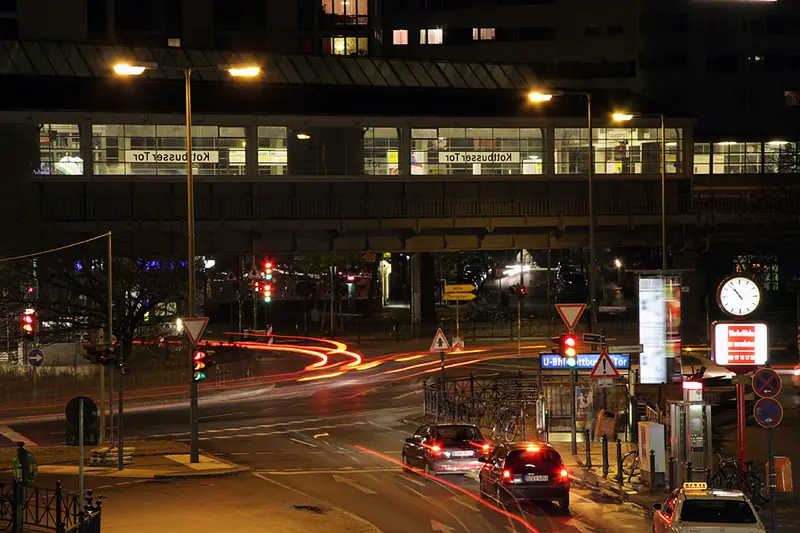
Overview
Kottbusser Tor, situated in the vibrant heart of Berlin, serves not only as a bustling market square but also as a significant cultural landmark. This lively space reflects the dynamic and diverse spirit of its surroundings, characterized by a blend of historical significance and contemporary urban life. The square is an important intersection within the city, connecting different neighborhoods and acting as a hub for commerce and community interaction.
As you approach Kottbusser Tor, you’ll find yourself immersed in a lively atmosphere, where locals and visitors alike gather to experience the pulse of Berlin. The square is surrounded by an eclectic mix of shops, eateries, and cultural venues, making it a perfect starting point for exploring the rich tapestry of Berlin’s urban landscape. With its strategic location and vibrant energy, Kottbusser Tor holds a unique place in the cultural map of Germany’s capital.
History and Significance
Kottbusser Tor has a complex history that reflects the changing dynamics of Berlin over the years. Originally established as a part of the city’s fortifications in the 18th century, it became a vital transportation hub, facilitating trade and movement in and out of the city. As Berlin expanded, the square transformed into a commercial center, attracting a diverse population of residents and visitors.
The cultural significance of Kottbusser Tor has evolved alongside the city itself. During the post-war era, it became a focal point for the influx of immigrants, particularly from Turkey, contributing to the multicultural fabric of the area. Today, Kottbusser Tor is known for its vibrant street life and its role as a gathering place for various cultural events and community activities. The square often serves as a backdrop for local markets, festivals, and public demonstrations, showcasing the ongoing evolution of this urban space.
As part of a broader trend towards urban renewal and revitalization, Kottbusser Tor has also seen various development projects aimed at enhancing its appeal and accessibility. These changes continue to reflect the city’s commitment to embracing its diverse heritage while adapting to contemporary needs.
Architecture and Features
Kottbusser Tor is characterized by its unique architectural elements and public spaces that reflect both historical and modern influences. The square features a blend of buildings from different eras, showcasing Berlin’s architectural evolution. Notable structures in the vicinity include traditional market stalls and contemporary shops, creating an engaging visual contrast.
One of the most prominent features of Kottbusser Tor is its layout, which encourages movement and interaction among visitors. The square is designed to accommodate a variety of activities, from casual strolls to bustling market days. Public seating areas and open spaces invite people to gather, while pathways connect the square to adjacent neighborhoods, enhancing its role as a connector within the urban landscape.
Moreover, the square’s surrounding streets are lined with diverse establishments, including cafés, restaurants, and shops, offering a taste of local and international cuisine. This mix of old and new architecture, combined with the lively atmosphere, makes Kottbusser Tor a vibrant public space that reflects the ongoing narrative of Berlin’s urban development.
Visiting Information
Kottbusser Tor is easily accessible via various forms of public transport. The square is served by multiple bus and tram lines, as well as the U-Bahn (subway) station, making it a convenient stop for those exploring Berlin. Visitors can expect a lively atmosphere, especially during weekends when the area often hosts local markets and events.
While the square itself does not have specific entry fees, check the official website for current information regarding any scheduled events or markets that may take place. It’s advisable to dedicate a couple of hours to fully enjoy the experience, allowing time to wander around the square, sample local delights, and engage with the vibrant community atmosphere.
For those looking to experience Kottbusser Tor at its best, consider visiting during the late morning or early afternoon when the area is bustling with activity. However, if you prefer a quieter experience, early mornings or weekdays may offer a more subdued atmosphere.
Nearby Attractions
Kottbusser Tor’s prime location makes it an excellent starting point for exploring several nearby attractions:
Tempelhofer Feld: This expansive former airport turned public park offers a unique space for recreational activities, including biking, skating, and picnicking.
Markthalle Neun: Located just a short walk away, this historic market hall features a plethora of local vendors, artisanal goods, and food offerings, making it a must-visit for food enthusiasts.
East Side Gallery: A short distance from Kottbusser Tor, this open-air gallery showcases a series of murals painted on the remnants of the Berlin Wall, highlighting both historical and contemporary artistic expressions.
Kreuzberg District: Known for its vibrant arts scene and multicultural atmosphere, Kreuzberg is home to an array of restaurants, bars, and cultural venues that reflect the diversity of Berlin.
Landwehr Canal: A pleasant stroll along this scenic waterway provides a glimpse into the city’s natural beauty, with numerous parks and walking paths lining its banks.
Insider Tips
For those eager to capture the essence of Kottbusser Tor through photography, early mornings or late afternoons provide the best lighting conditions. The dynamic interactions among locals and visitors create opportunities for candid shots that reflect the square’s vibrant atmosphere.
To avoid crowds, consider visiting during weekdays or in the early morning before the hustle and bustle of the day sets in. This quieter time allows for a more intimate experience of the square and its surroundings.
Practical Information
When visiting Kottbusser Tor, it’s advisable to bring comfortable walking shoes, as you’ll likely want to explore the area on foot. Additionally, consider carrying a reusable water bottle to stay hydrated while you navigate the square and its nearby attractions.
Seasonal considerations may also affect your visit. In the warmer months, outdoor events and markets are more prevalent, while winter may bring a quieter ambiance. Regardless of the season, Kottbusser Tor remains a lively space that reflects the spirit of Berlin.
Frequently Asked Questions
How long should I spend visiting?
A visit of two to three hours is recommended to fully enjoy Kottbusser Tor and its surrounding attractions.
Is photography allowed?
Yes, photography is allowed in the square, and capturing the vibrant interactions and atmosphere is encouraged.
Are there guided tours?
While specific guided tours may not be offered at Kottbusser Tor, many local tour companies provide walking tours that include this iconic location.
What’s the best time to visit?
The best time to visit is during late mornings or early afternoons on weekends, when the square is particularly lively. However, if you prefer a quieter experience, weekdays are ideal.
Is it wheelchair accessible?
Yes, Kottbusser Tor is generally accessible for visitors with mobility challenges, though specific areas may vary.
Can I buy tickets online?
There are no entry fees for Kottbusser Tor, so no tickets are required. Check the official website for information on any scheduled events that may require tickets.
Are there restrooms and cafes?
While public restrooms may not be available directly in the square, nearby cafés and establishments often provide facilities for customers.
What should I wear?
Comfortable clothing and shoes are recommended, especially if you plan to explore the area on foot. Dress according to the weather, as outdoor activities are common in the square.