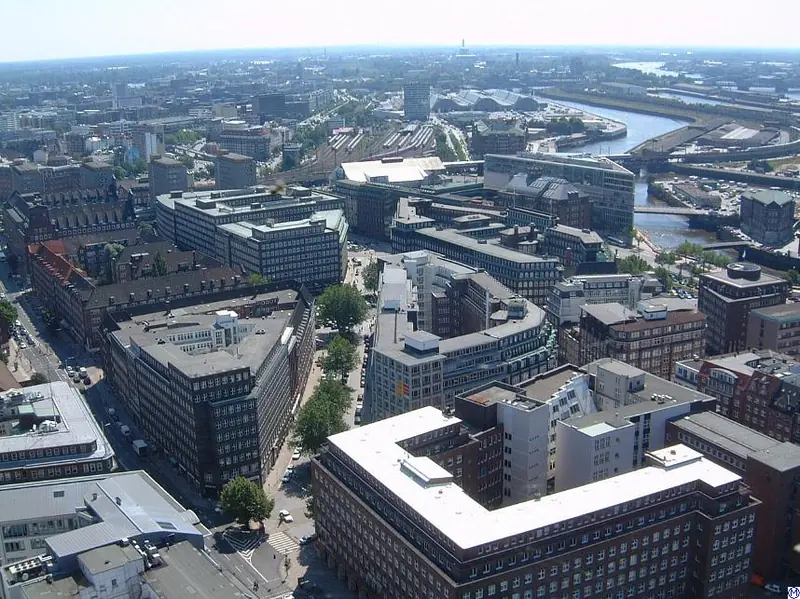
Overview
The Kontorhaus District in Hamburg, Germany, offers a captivating glimpse into the city’s commercial past, showcasing the evolution of architectural styles and urban planning from the late 19th to early 20th centuries. This unique area, designated as a UNESCO World Heritage Site, stands as a prominent example of the Hamburg’s rise as a commercial hub during the era of the Hanseatic League. Visitors are drawn not only by the historic significance of the district but also by its remarkable architecture, which reflects the prosperity and innovation of its time.
Located at the coordinates 53.54888889, 10.00166667, the Kontorhaus District is situated in the heart of Hamburg, making it easily accessible for travelers exploring the city. This area encapsulates the rapid growth of commerce and trade, characterized by the iconic Kontorhaus buildings that served as offices for shipping and trading companies. The district’s compelling architecture and historical narrative make it an essential stop for anyone interested in understanding the roots of Hamburg’s economic development.
As you explore the Kontorhaus District, immerse yourself in its atmosphere, where the echoes of history resonate through the striking facades and bustling streets. The district serves not just as a museum of history, but as a vibrant reminder of the city’s enduring spirit of enterprise and innovation.
History and Significance
The Kontorhaus District’s significance lies in its role as a center for trade and commerce in Hamburg, which has been a vital port city in northern Germany. The area emerged during a period of rapid industrialization and urban development, particularly when Hamburg became an important member of the Hanseatic League, a powerful association of merchant guilds and market towns in northwestern Europe. This historical backdrop established the foundation for the growth of the Kontorhaus District, where merchants and traders established their offices.
Throughout its development, the district has become synonymous with the architectural evolution of office buildings designed specifically for commercial purposes. The Kontorhäuser, or “office houses,” were designed to accommodate the growing number of businesses and their need for office spaces that could also reflect their status and power. As such, the architecture within the district not only served functional purposes but also represented the ambitions of Hamburg’s business elite.
The district is characterized by its blend of styles, including neo-Renaissance and reform architecture, which reflects the artistic movements of the time. The buildings are designed with a focus on both aesthetics and functionality, showcasing innovative designs that include large windows, open floor plans, and intricate detailing. As a result, the Kontorhaus District is considered a landmark of early modern architecture, influencing the design of office buildings around the world.
In recognizing the Kontorhaus District as a UNESCO World Heritage Site, UNESCO highlights its importance as a cultural heritage site that exemplifies the economic development of the region and the evolution of architectural practices. The preservation of this district allows future generations to understand and appreciate the historical context of Hamburg’s development as a significant commercial city.
Architecture and Features
The architectural landscape of the Kontorhaus District is a visual narrative of Hamburg’s commercial history, characterized by a variety of styles and notable features. The buildings within the district are primarily constructed from brick, a material abundant in the region, and they exhibit a range of design details that reflect the era of their construction.
One of the most prominent architectural features of the Kontorhaus District is the use of large windows that allow for ample natural light, which was a significant consideration in the design of office spaces during this period. The façades of the buildings are often adorned with decorative elements, including intricate brickwork, sculptures, and friezes that contribute to their grandeur.
Among the most notable structures in the district is the Chilehaus, which exemplifies the expressionist architectural style. Its distinctive shape resembles a ship’s bow, a nod to Hamburg’s maritime heritage. The building is celebrated for its striking brickwork and the intricate detailing that adorns its exterior. The Chilehaus is often regarded as one of the finest examples of Kontorhaus architecture, showcasing the innovative spirit of the time.
Another significant feature of the district is the Kontorhaus itself, which served as a model for other office buildings constructed during the same period. These buildings were designed to accommodate the needs of growing businesses while also providing a sense of prestige and status to their occupants.
As you wander through the Kontorhaus District, take time to appreciate the harmonious blend of functionality and aesthetic appeal that defines this historic area. The architectural diversity and historical significance of the buildings create a unique environment that captures the essence of Hamburg’s commercial roots.
Visiting Information
Visiting the Kontorhaus District offers a chance to explore a significant part of Hamburg’s heritage. The district is conveniently located within the city, making it easily accessible via public transport. Several bus routes and train lines service the area, allowing visitors to reach it without difficulty.
While specific hours and ticket prices may vary, it is recommended to check the official website for the most current information before planning your visit. As a history museum, the Kontorhaus District provides engaging information about the architectural and commercial significance of the area, offering insights that enrich the visitor experience.
For those planning to spend time in the district, it is advisable to allocate at least a couple of hours to explore the various buildings and immerse yourself in the historical narrative. The best times to visit are during weekdays when the crowds may be smaller, allowing for a more relaxed experience as you stroll through the streets and admire the architecture.
In addition to exploring the buildings, visitors can expect to find informative plaques and displays throughout the district, providing context and background to the area’s history. Guided tours are also available for those who prefer a more structured exploration, ensuring that you do not miss any of the significant highlights.
Nearby Attractions
The Kontorhaus District is well-positioned near several other notable attractions in Hamburg, making it an ideal starting point for a day of exploration. Here are a few nearby places worth visiting:
Speicherstadt: Just a short walk from the Kontorhaus District, this historic warehouse district is renowned for its stunning brick buildings and canals, reflecting Hamburg’s maritime heritage.
Elbphilharmonie: A modern architectural marvel overlooking the Elbe River, this concert hall is famous for its unique design and offers breathtaking views of the city from its plaza.
Miniatur Wunderland: Located in the Speicherstadt, this impressive model railway exhibition is the largest of its kind in the world and showcases intricate miniature landscapes and cities.
Hamburg Dungeon: For those interested in a more thrilling experience, the Hamburg Dungeon provides an interactive journey through the darker chapters of the city’s history.
St. Michael’s Church (Michel): This iconic Baroque church is a short distance away and is one of Hamburg’s most famous landmarks, offering visitors the chance to climb its tower for panoramic views of the city.
Insider Tips
To make the most of your visit to the Kontorhaus District, consider the following insider tips:
Photography: The architecture of the district provides a fantastic backdrop for photography. Early mornings or late afternoons are ideal times for capturing the buildings in softer light.
Crowd Avoidance: If you prefer a quieter experience, try to visit during weekdays or outside of peak tourist seasons. This will allow you to enjoy the area without large crowds.
Guided Tours: Consider joining a guided tour to gain deeper insights into the history and architecture of the district. Local guides often share fascinating stories that enrich the experience.
Take Your Time: Allow yourself to wander freely. The beauty of the Kontorhaus District lies not just in its buildings but also in the atmosphere of the streets and the details that can be easily overlooked.
Practical Information
When planning your visit to the Kontorhaus District, keep the following practical information in mind:
What to Bring: Comfortable walking shoes are recommended, as the best way to explore the district is on foot. A camera is also a must to capture the stunning architecture.
Seasonal Considerations: Hamburg experiences a maritime climate, so be prepared for varying weather conditions. Layered clothing is advisable, and carrying an umbrella is recommended, especially during the rainy season.
Accessibility: If you have mobility concerns, check in advance regarding wheelchair access to specific buildings and pathways in the district.
Frequently Asked Questions
How long should I spend visiting?
It is recommended to spend at least two to three hours to fully appreciate the architecture and historical significance of the Kontorhaus District.
Is photography allowed?
Yes, photography is generally permitted in public areas of the Kontorhaus District, but always be respectful of privacy and any posted restrictions.
Are there guided tours?
Yes, guided tours are available, offering in-depth insights into the history and architecture of the district. Check local listings for details.
What’s the best time to visit?
Weekdays and non-peak tourist seasons are ideal for a less crowded experience. Early mornings or late afternoons also provide better lighting for photography.
Is it wheelchair accessible?
Accessibility may vary among individual buildings, so it is advisable to check in advance regarding specific locations within the district.
Can I buy tickets online?
Check the official website for information on ticket availability and purchasing options for any guided tours or events.
Are there restrooms and cafes?
While there may be restrooms available in nearby facilities, it’s best to plan ahead. Cafes and restaurants can be found in the surrounding areas.
What should I wear?
Dress comfortably for walking, and consider the weather when choosing your attire. Layers are recommended due to the variable climate in Hamburg.
The Kontorhaus District is a remarkable destination that combines historical significance with architectural beauty, making it a must-visit for anyone traveling to Hamburg.



