Overview
The Klützer Holländermühle, an iconic windmill located in the picturesque region of Mecklenburg-Vorpommern, Germany, is a remarkable example of traditional industrial heritage. This windmill not only serves as a historical monument but also reflects the ingenuity of early industrial techniques used in milling grain. Positioned at coordinates 53.970856, 11.162078, the Klützer Holländermühle stands as a significant cultural landmark in the area, captivating visitors with its unique structure and storied past. Whether you are a history enthusiast, architecture admirer, or simply seeking a glimpse into Germany’s industrial evolution, this windmill promises to offer insights into a bygone era.
As you approach the Klützer Holländermühle, you will find it surrounded by the serene landscapes typical of northern Germany. The windmill is emblematic of the region’s agricultural heritage and has played a crucial role in the local economy over the years. Today, it stands not just as a relic of the past but also as a symbol of the enduring relationship between humans and nature—particularly the harnessing of wind power for practical purposes.
Visiting the Klützer Holländermühle provides a unique opportunity to appreciate the craftsmanship of traditional windmills while connecting with the area’s cultural landscape. From its operational mechanisms to its aesthetic design, this windmill encapsulates the essence of a historical industrial site worth exploring.
History and Significance
The Klützer Holländermühle is more than just a windmill; it is a reflection of the technological advancements in milling that emerged in Europe. Windmills were crucial during the agricultural revolution, serving as pivotal points in local economies by converting wind energy into mechanical energy for grinding grain. The construction of such windmills was an answer to the increasing demand for flour, facilitating both local consumption and trade.
While specific dates regarding its construction may not be available, the significance of the Klützer Holländermühle within the context of Mecklenburg-Vorpommern cannot be understated. Windmills like this one were often constructed in areas with favorable wind conditions, allowing for efficient milling processes. The Klützer Holländermühle showcases not only the functionality of wind-powered technology but also the architectural styles prevalent during its operational period.
The cultural importance of the windmill extends beyond its industrial use; it serves as a reminder of a time when communities were closely tied to their land and the resources it provided. The Klützer Holländermühle stands as a historical marker that encapsulates the agricultural practices of previous generations while highlighting the engineering prowess of the period. As a designated Baudenkmal, or historical monument, this windmill is preserved for future generations to appreciate and understand the role of such structures in the development of modern society.
Architecture and Features
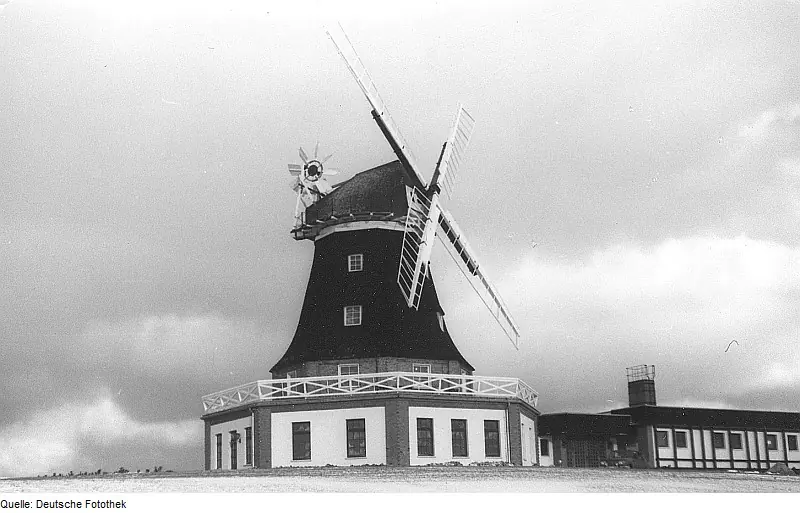
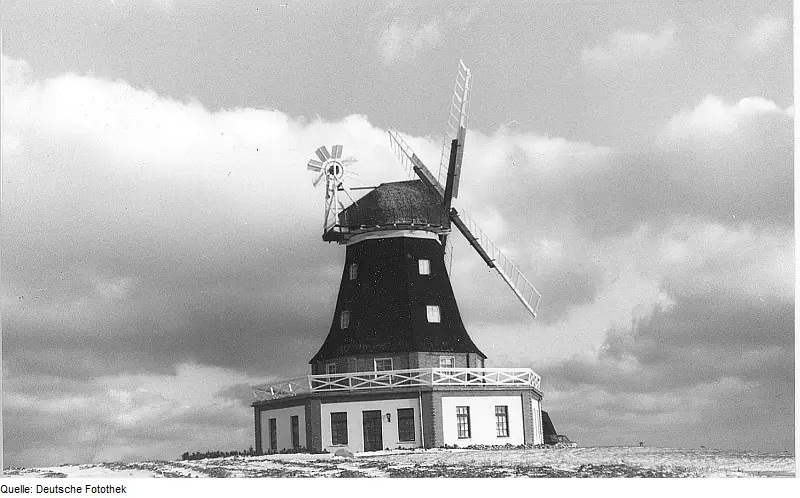
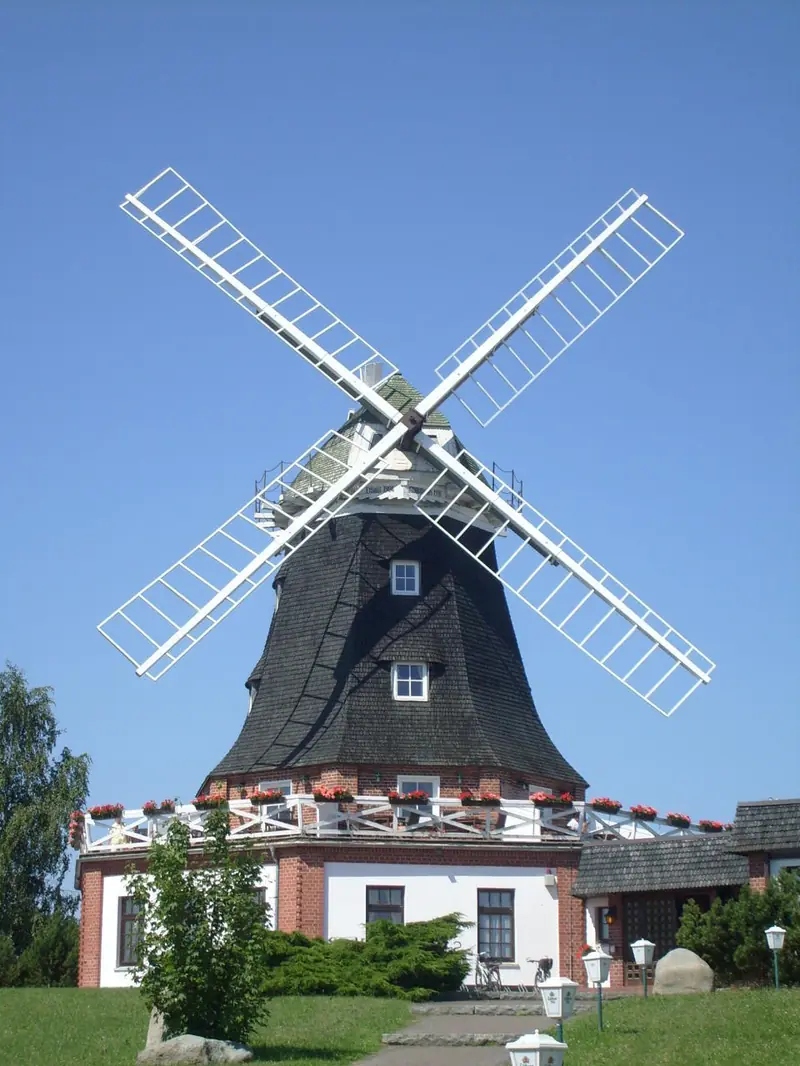
The Klützer Holländermühle is characterized by its distinctive architectural style, typical of traditional Dutch windmills, which were known for their efficiency and aesthetic appeal. The structure features a tall, cylindrical wooden body that tapers toward the top, allowing for optimal wind catchment. The windmill’s sails, which once turned to harness the wind’s energy, are a critical aspect of its design and functionality. These sails are intricately constructed to maximize their exposure to the wind, a feature that underscores the engineering skills of the time.
One of the most notable aspects of the Klützer Holländermühle is its mechanism for milling grain. The interior houses various components, such as the millstone and gearing systems, which were powered by the rotation of the sails. This intricate machinery represents an era when wind power was a primary source of energy for agricultural processing. Visitors can often observe these features during tours, gaining insights into how the windmill operated and the role it played in local food production.
Additionally, the exterior of the Klützer Holländermühle is often highlighted by its traditional wooden construction, which has weathered the elements over the years. This authenticity adds to the charm of the windmill, making it a captivating subject for photographers and history enthusiasts alike.
Visiting Information
To visit the Klützer Holländermühle, travelers should consider their transport options. The windmill is accessible by car, with parking facilities available nearby. Public transportation options may also exist, but it is advisable to check local schedules and routes for the most convenient way to reach the site.
Check the official website for current information on opening hours and ticket prices, as these details can vary throughout the year. When planning your visit, consider allocating at least an hour or two to fully explore the windmill and its surroundings. Guided tours may be available, offering deeper insights into the windmill’s history and operation.
The best times to visit are during the spring and summer months when the weather is pleasant and the surrounding landscapes are vibrant. However, each season offers its own unique charm, making any time an opportunity to appreciate the site.
Nearby Attractions
While visiting the Klützer Holländermühle, you may want to explore other attractions in the vicinity. Here are a few noteworthy places to consider:
Klütz Castle: This historical site offers a glimpse into the region’s aristocratic past, with beautiful gardens and architecture to admire.
Timmendorfer Strand: A short drive away, this seaside resort town provides stunning coastal views and recreational activities, perfect for a day by the beach.
Lübeck: Known for its medieval architecture and UNESCO World Heritage status, Lübeck is a vibrant city with plenty of museums, shops, and dining options.
Schloss Bothmer: This baroque palace, with its expansive grounds, is a fantastic destination for those interested in cultural history and garden design.
Wismar: A charming harbor town with a rich maritime history, Wismar offers picturesque streets, historical buildings, and access to the Baltic Sea.
Insider Tips
For the best photography opportunities at the Klützer Holländermühle, consider visiting during the golden hours of sunrise or sunset when the light casts a warm glow on the windmill. Early mornings are often quieter, allowing for unobstructed views and fewer crowds.
To avoid larger groups, plan your visit on weekdays instead of weekends, as many tourists tend to visit during the latter. If guided tours are offered, check if you can join a smaller group for a more intimate experience.
Practical Information
When visiting the Klützer Holländermühle, it is advisable to wear comfortable shoes, as you may be exploring both the interior and the surrounding grounds. Depending on the season, layering clothing can help you stay comfortable throughout your visit.
If you plan to take photographs, a camera with a good zoom lens can be beneficial for capturing details of the windmill’s architecture. Additionally, consider bringing a refillable water bottle and some snacks, especially if you plan to spend an extended period exploring the area.
Seasonal considerations may come into play, as winter weather can affect access to the site. Always check current weather conditions and any seasonal advisories before your visit.
Frequently Asked Questions
How long should I spend visiting?
A visit to Klützer Holländermühle typically takes between one to two hours, depending on your interest in exploring the site and participating in any available tours.
Is photography allowed?
Yes, photography is generally allowed at the Klützer Holländermühle, making it a perfect spot for capturing both the structure and its surroundings.
Are there guided tours?
Guided tours may be available, providing deeper insights into the windmill’s history and operation. Check with the official website for details.
What’s the best time to visit?
The best time to visit is during the spring and summer months when the weather is pleasant, but each season offers unique experiences.
Is it wheelchair accessible?
Check the official website for information regarding accessibility, as facilities can vary.
Can I buy tickets online?
Ticket purchasing options may vary. For the latest information, check the official website.
Are there restrooms and cafes?
Facilities such as restrooms and cafes may be available nearby. It’s advisable to check current amenities before your visit.
What should I wear?
Wear comfortable shoes and consider layers, as temperatures can fluctuate throughout the day.
A visit to the Klützer Holländermühle offers not just a glimpse into the past but an opportunity to appreciate the intersection of nature and human innovation. Whether you are a local or a traveler, this windmill is a site that adds depth to your understanding of the region’s cultural heritage.
Photo Gallery