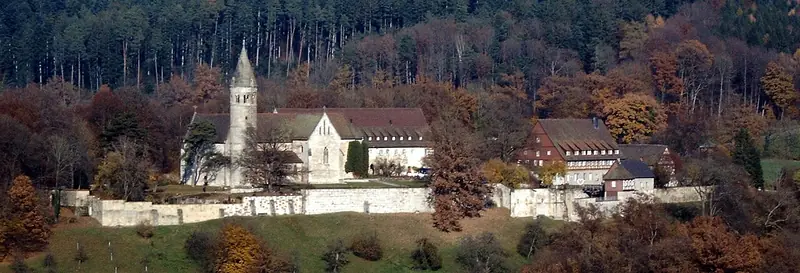
Overview
Kloster Lorch, a former Benedictine abbey located in Lorch, Baden-Württemberg, Germany, presents a unique opportunity for visitors to explore the spiritual and architectural heritage of the region. This monastery is not just a place of worship; it serves as a significant cultural landmark that reflects the monastic traditions of the past. Positioned in a region steeped in religious history, Kloster Lorch evokes curiosity and reverence among those who seek to understand the interplay between faith and community life in medieval Europe.
The abbey’s serene environment and historical resonance offer a contemplative space for visitors, making it an excellent stop for those interested in religious sites, architecture, and the broader historical narratives of Germany. The site’s significance extends beyond its walls, offering insights into the monastic lifestyle and the role of such institutions in shaping local communities. As you explore Kloster Lorch, anticipate engaging with both the architectural beauty and the profound sense of history ingrained in its very foundation.
History and Significance
The history of Kloster Lorch is intricately tied to the development of monastic life in Germany. Founded as a Benedictine abbey, it represents a chapter of ecclesiastical heritage that contributed significantly to the spread of Christianity throughout the region. The Benedictine order, known for its commitment to prayer, work, and community living, established Kloster Lorch as a center for spiritual growth and learning.
Monasteries like Kloster Lorch played a crucial role in the dissemination of knowledge during the Middle Ages, serving as hubs for education and agriculture. The monks were not only spiritual leaders but also caretakers of the land, engaging in various agricultural practices that helped sustain local populations. This dual role of religious and social responsibility underscores the abbey’s importance in the historical context of Baden-Württemberg.
The significance of Kloster Lorch extends beyond its religious functions; it has been a witness to various historical events that have shaped the region. As Europe transitioned through different eras, including the Reformation, the abbey adapted to the changing religious landscape while continuing to fulfill its purpose as a place of worship and community gathering.
Today, Kloster Lorch stands as a symbol of the enduring legacy of monastic life, capturing the interest of historians, pilgrims, and travelers alike. Its architectural features and historical narratives provide a window into the spiritual and cultural dimensions of medieval life in Germany.
Architecture and Features
The architecture of Kloster Lorch reflects the typical characteristics of Benedictine monasteries, showcasing elements that highlight both functionality and beauty. The layout of the abbey is designed to facilitate the monastic way of life, with structures that include sleeping quarters, a chapel, and communal spaces for work and prayer.
The chapel, a focal point of the monastery, is where much of the spiritual life of the community would have taken place. Its design likely incorporates features common to ecclesiastical architecture, including vaulted ceilings and stained glass windows, though specific details about the chapel’s interior are not provided. Such elements would typically serve both aesthetic and symbolic purposes, drawing the eye upward and inspiring a sense of divine connection.
Surrounding the monastery, you may find remnants of gardens and agricultural spaces that once supported the monks’ self-sufficient lifestyle. These areas would have played a significant role in the daily life of the abbey, providing fresh produce and a peaceful environment for meditation and reflection.
While specific architectural details and dimensions are not available, the overall impression of Kloster Lorch is one of harmony and simplicity, characteristics that are often associated with monastic architecture. The design promotes a sense of community and retreat, inviting visitors to appreciate the tranquility that such spaces offer.
Visiting Information
Visiting Kloster Lorch provides an enriching experience for those interested in religious heritage and architectural beauty. To reach the monastery, travelers can utilize various modes of transport available in the region. Whether you choose to drive or use public transportation, check the official website for detailed directions and recommendations.
Upon arrival, visitors can expect a peaceful atmosphere that encourages reflection and exploration. The abbey may offer guided tours, although it is advisable to confirm this information ahead of your visit. Exploring the site typically takes a couple of hours, allowing ample time to absorb the history and significance of the abbey.
The best times to visit Kloster Lorch are during the milder seasons of spring and autumn when the weather is pleasant and conducive to outdoor exploration. Special events or religious services may also be taking place during these times, enhancing your experience.
As you plan your visit, check the official website for current information regarding opening hours and any potential admission fees. This ensures that you are well-prepared and can make the most of your time at this significant heritage site.
Nearby Attractions
While Kloster Lorch offers a profound experience on its own, the surrounding region is also home to several noteworthy attractions that complement your visit:
St. Martin’s Church: Located nearby, this church is an example of local ecclesiastical architecture and provides additional context to the religious history of the area.
Lorch’s Historic Town Center: Explore the charming streets of Lorch, where you can find shops, cafés, and other historical buildings that showcase the town’s development over the centuries.
Rems-Murr Cycle Path: For those interested in outdoor activities, this scenic cycling route offers a chance to explore the natural beauty of the region, with views of vineyards and the surrounding countryside.
Schloss Lorch: A short distance away, this castle adds to the historical narrative of the area, providing insights into the noble families that once inhabited the region.
Wine Tasting in the Surrounding Vineyards: The Baden-Württemberg region is known for its wine production. Consider visiting local wineries for tastings and tours to experience the local viticulture firsthand.
Insider Tips
To enhance your visit to Kloster Lorch, consider these insider tips:
Photography: While capturing the beauty of the monastery, be mindful of any restrictions regarding photography, especially during religious services or in sacred spaces. Always ask if unsure.
Crowd Avoidance: To avoid larger groups, aim to visit during weekday mornings or off-peak seasons. This allows for a quieter experience, letting you fully appreciate the abbey’s serene environment.
Practical Information
When planning your visit to Kloster Lorch, consider the following practical information:
What to Bring: Comfortable walking shoes are essential, as you may spend time exploring the grounds. Additionally, a water bottle and a small bag for any personal items will enhance your comfort during your visit.
Seasonal Considerations: Check the weather forecast before your visit. Spring and autumn provide mild temperatures, while winter may bring colder weather that could affect your experience. Dress in layers to accommodate changing conditions.
Frequently Asked Questions
How long should I spend visiting?
A visit to Kloster Lorch typically takes about two hours, allowing time for exploration and reflection.
Is photography allowed?
Photography policies may vary, especially during religious services. It’s best to check for any restrictions on-site.
Are there guided tours?
Guided tours may be available; check the official website for current offerings and scheduling.
What’s the best time to visit?
Spring and autumn are ideal times to visit, offering pleasant weather and the possibility of special events.
Is it wheelchair accessible?
Accessibility information may vary; check the official website for the latest updates on facilities.
Can I buy tickets online?
Check the official website for current information regarding ticket purchasing options.
Are there restrooms and cafes?
Amenities may vary; refer to the official website for details on available facilities.
What should I wear?
Dress comfortably and in layers to adjust to changing weather conditions, and wear appropriate footwear for walking.



