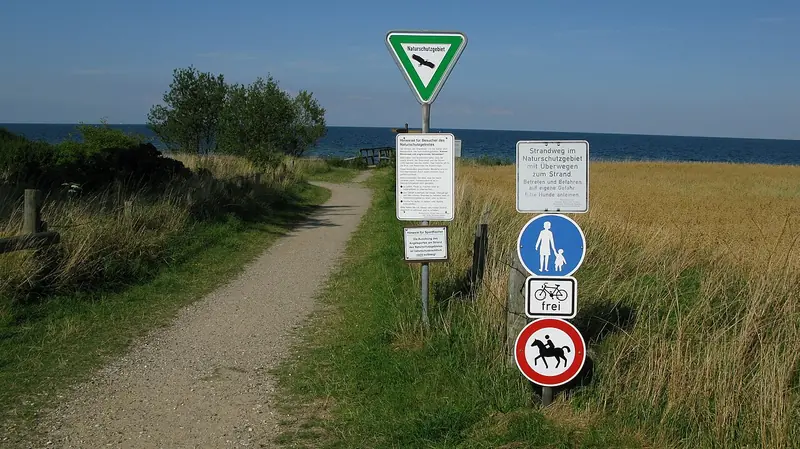
Overview
Kleiner Binnensee und angrenzende Salzwiesen is a captivating nature reserve located in the scenic region of Schleswig-Holstein, Germany. This area is characterized by its unique blend of freshwater and saltwater ecosystems, presenting an extraordinary opportunity for visitors to engage with diverse wildlife and stunning landscapes. The reserve serves not only as a sanctuary for various species but also as a vital ecological asset, contributing to the preservation of natural habitats.
This nature reserve is significant for both its environmental value and its role in local biodiversity. It offers an inviting escape for nature lovers, bird watchers, and anyone seeking to immerse themselves in the tranquility of the natural world. The combination of the Kleiner Binnensee, a small inland lake, and the adjacent salt marshes creates a rich habitat that supports an array of flora and fauna. The area is a critical stopover point for migratory birds and presents a perfect setting for ecological study and appreciation.
Visitors to the Kleiner Binnensee und angrenzende Salzwiesen can look forward to engaging with the serene beauty of the landscape while experiencing the richness of its biodiversity. Whether you are an avid birdwatcher, a photographer, or simply in search of a peaceful retreat, this nature reserve offers a unique experience that highlights the importance of protecting our natural environments.
History and Significance
The history of Kleiner Binnensee und angrenzende Salzwiesen is intrinsically linked to the ecological practices of the region and the natural evolution of its landscapes. The area’s significance lies in its functionality as a habitat for wildlife and its role in maintaining ecological balance. Over time, the reserve has evolved to support a wide range of species, especially migratory birds that rely on the wetland ecosystems for feeding and nesting.
As a nature reserve, this site reflects broader conservation efforts in Germany, aimed at protecting diverse ecosystems from the pressures of urbanization and agriculture. The establishment of protected areas like Kleiner Binnensee is part of a larger initiative to safeguard natural habitats and promote biodiversity. These efforts underscore the cultural importance placed on nature conservation in Germany, aligning with global movements towards environmental sustainability.
In addition to its ecological significance, the reserve serves as a space for environmental education. It offers valuable lessons on the importance of wetlands and the interconnectedness of ecosystems, making it a vital resource for both local communities and visitors. Educational programs and community involvement in conservation efforts help foster a deeper understanding of the natural world and encourage responsible stewardship of the environment.
Architecture and Features
Kleiner Binnensee und angrenzende Salzwiesen features a diverse landscape that consists of a small inland lake, known as the Kleiner Binnensee, surrounded by expansive salt marshes. This unique combination of freshwater and saline environments creates a dynamic ecosystem that supports a wide array of plant and animal life.
The architecture of the reserve is defined by its natural formations rather than human-made structures. The lakes and salt marshes are characterized by their shifting landscapes, which change with the seasons and tides. Visitors can observe the vibrant plant life that thrives in the marshes, including various grasses and salt-tolerant species that play a crucial role in stabilizing the soil and providing habitat for wildlife.
One of the most notable features of the reserve is its role as a habitat for migratory birds. The area provides essential feeding and breeding grounds, making it a pivotal location for birdwatching enthusiasts. Visitors may encounter a variety of species, including waterfowl and shorebirds, depending on the time of year.
Walking paths and observation points are integrated into the landscape, allowing visitors to explore the reserve while minimizing their impact on the natural environment. The design of these paths ensures that guests can enjoy the beauty of the area while respecting the delicate ecosystems that thrive within.
Visiting Information
Visiting Kleiner Binnensee und angrenzende Salzwiesen offers a chance to reconnect with nature and witness the beauty of its ecosystems firsthand. Access to the reserve is straightforward, with various transport options available. It is advisable to check the official website for current information on hours and any potential entrance fees.
What to expect during your visit includes serene landscapes, abundant wildlife, and well-maintained walking paths that facilitate exploration of the area. Birdwatching opportunities abound, especially during migratory seasons, and visitors should allocate sufficient time to fully appreciate the reserve’s offerings. A typical visit can last anywhere from a couple of hours to a full day, depending on personal interests and the level of engagement with the surrounding environment.
The best times to visit are during the spring and autumn months when migratory birds are most active, and the flora is particularly vibrant. Early mornings or late afternoons often provide the best lighting for photography and enhanced wildlife activity.
Nearby Attractions
While the Kleiner Binnensee und angrenzende Salzwiesen is a destination in itself, the surrounding area in Schleswig-Holstein offers additional attractions worth exploring:
- Schleswig-Holstein Wadden Sea National Park: A UNESCO World Heritage Site known for its unique tidal flats and rich biodiversity, perfect for nature enthusiasts.
- The Town of Schleswig: Located nearby, this charming town features historical architecture and cultural sites, including the iconic Schleswig Cathedral.
- The Eider River: Just a short distance away, the river provides opportunities for kayaking, cycling, and enjoying scenic river views.
- Nordstrand: A nearby island known for its stunning beaches, ideal for a day trip to relax by the water.
- The Viking Museum in Haithabu: A historical site that provides insights into the Viking age, showcasing artifacts and reconstructions of Viking life.
Insider Tips
For photography enthusiasts, the golden hours of sunrise and sunset offer the best light conditions to capture the beauty of the reserve and its wildlife. Patience is key when waiting for wildlife to appear, so bring along a good book or a comfortable chair for those moments of waiting.
To avoid crowds, consider visiting during weekdays or early in the morning. This not only enhances the tranquility of your experience but also increases your chances of encountering wildlife without disturbances.
Practical Information
When preparing for your visit to Kleiner Binnensee und angrenzende Salzwiesen, consider bringing essential items such as binoculars for birdwatching, a camera for capturing the stunning landscapes, and comfortable walking shoes for exploring the paths. A field guide to local flora and fauna can enrich your experience, allowing for better identification of species.
Seasonal considerations are important to keep in mind. Spring and autumn are ideal for birdwatching, while summer may feature lush vegetation and vibrant flowers. In winter, the landscape transforms, offering a different kind of beauty, though many migratory birds may have left.
Be sure to check the official website for any updates regarding facilities and visitor information, as well as the best times to visit.
Frequently Asked Questions
How long should I spend visiting?
A visit typically lasts between two to four hours, depending on your interest in wildlife and nature.
Is photography allowed?
Yes, photography is encouraged, particularly for capturing the diverse wildlife and stunning landscapes.
Are there guided tours?
Check the official website for any available guided tours or educational programs.
What’s the best time to visit?
Spring and autumn are the best seasons for birdwatching, while summer offers vibrant plant life.
Is it wheelchair accessible?
Information on accessibility can be verified on the official website; check for specific pathways and facilities.
Can I buy tickets online?
Check the official website for details on entrance fees and purchasing options.
Are there restrooms and cafes?
Facilities may be limited; it’s advisable to check the official website for current information regarding amenities.
What should I wear?
Dress in layers to accommodate changing weather conditions, and wear comfortable shoes for walking along the paths.