
Kieve Gord
Overview
Kieve Gord, a remarkable hillfort located in the Kieve region of Germany, presents a fascinating glimpse into the past of Slavic culture. This ancient structure, characterized by its strategic positioning and formidable construction, serves as a remarkable site for both history enthusiasts and those simply looking to explore the remnants of early medieval life. The fortification offers a unique opportunity to engage with the archaeological legacy of the Slavic peoples, showcasing their social organization and military architecture.
The location’s historical significance extends beyond its walls, contributing to a broader understanding of the region’s cultural and political dynamics during the early medieval period. Visitors can anticipate an immersive experience that combines historical exploration with the natural beauty of the surrounding landscape.
History and Significance
Kieve Gord is an essential representation of Slavic architecture and military strategy, significant to understanding the social and political structures of the time. While specific dates related to its construction and use may be sparse, the site is believed to have played a crucial role in the defense and governance of the surrounding areas. Hillforts like Kieve Gord were strategic centers for the Slavic tribes, serving as fortified settlements that offered protection against invasions and raids.
The cultural importance of Kieve Gord lies in its connection to Slavic heritage. Hillforts were not merely military outposts; they were also centers for trade, governance, and community life. As such, they provide insight into the everyday lives of the people who inhabited them. The layout and design of these fortifications reflect a sophisticated understanding of defense mechanisms, social organization, and economic management.
Archaeological findings at similar sites have revealed artifacts that illustrate the daily activities of the inhabitants, including tools, pottery, and remnants of trade with neighboring cultures. These discoveries contribute to the understanding of the Slavic peoples’ interactions with other groups, highlighting their role in the broader historical narrative of Europe during the early Middle Ages.
As a historical site, Kieve Gord invites reflection on the resilience and adaptability of the Slavic tribes, as well as their enduring legacy in the region. The presence of such a well-preserved hillfort provides invaluable opportunities for education and appreciation of Slavic history.
Architecture and Features
Kieve Gord’s architectural design reflects the military and social needs of its time, characterized by its imposing earthworks and fortifications. The hillfort is typically defined by its elevated position, which would have provided a tactical advantage over potential enemies. The layout is likely to include a series of defensive walls made from earth and timber, forming a protective barrier around the settlement.
One of the most notable features of Kieve Gord is its robust construction methods, which were essential for withstanding attacks. The fortifications would have been supported by a series of ditches and ramparts, designed to deter intruders and provide a safe haven for its inhabitants. The use of local materials in the construction would have been typical, ensuring that the fort could be built and maintained effectively.
Inside the hillfort, the layout would typically feature a central area for communal activities, possibly including administrative buildings, storage facilities, and living quarters. The spatial organization of the site would reflect the social hierarchy of the community, with areas designated for leaders and commoners alike.
While specific architectural details may require further study, the overall design of Kieve Gord illustrates a well-planned settlement that prioritized both defense and community life, embodying the characteristic features of Slavic hillforts of the time.
Visiting Information
Visiting Kieve Gord offers an enriching opportunity to explore an important historical site. The accessibility of the location allows for an engaging experience for both history buffs and casual visitors. To reach Kieve Gord, various transport options may be available, including private vehicles or public transportation, depending on the local infrastructure.
Check the official website for current information regarding hours of operation and any applicable entrance fees. It is advisable to allocate sufficient time for your visit, as exploring the site thoroughly can provide a deeper understanding of its historical significance. Plan to spend a few hours here to appreciate the architecture and immerse yourself in the surrounding natural beauty.
The best times to visit Kieve Gord may vary seasonally, with each season offering a different experience. Spring and autumn often present mild weather, making it pleasant for outdoor exploration. Summer may attract larger crowds, while winter could provide a quieter, more contemplative atmosphere.
Nearby Attractions
Exploring the vicinity of Kieve Gord can enhance your visit, as several attractions are located nearby:
Kieve Museum of Local History: This museum offers insights into the region’s cultural heritage and history, featuring exhibits and artifacts related to the Slavic peoples and their way of life.
Kieve Castle Ruins: Just a short distance away, the remnants of this castle provide a glimpse into medieval architecture and the strategic importance of the region throughout history.
Scenic Nature Trails: The area surrounding Kieve Gord is home to various walking paths and trails, allowing visitors to enjoy the natural landscape while reflecting on the historical context of the site.
Local Villages: Nearby villages showcase traditional German culture and architecture, providing an authentic experience of local life and customs.
Cultural Events: Depending on the time of year, various festivals and events may take place in the region, celebrating local traditions and history.
Insider Tips
When visiting Kieve Gord, consider bringing a camera to capture the architectural features and the stunning natural surroundings. Early mornings or late afternoons are often the best times for photography, as the light can create dramatic shadows and highlight the contours of the fortifications.
To avoid the crowds, plan your visit during weekdays or outside of peak tourist seasons. This approach not only allows for a more intimate experience but also gives you ample time to explore and appreciate the site without feeling rushed.
Practical Information
When preparing for your visit to Kieve Gord, there are a few essential items to consider bringing along. Comfortable walking shoes are recommended, as exploring the hillfort and its surroundings may involve uneven terrain. A bottle of water and snacks can also enhance your experience, especially if you plan to spend several hours at the site.
Seasonal considerations are important as well. If visiting in summer, be prepared for warmer temperatures and bring sun protection. Conversely, in winter, dress in layers to accommodate potential changes in weather and ensure a comfortable visit.
Frequently Asked Questions
How long should I spend visiting?
Typically, visitors may spend a few hours exploring Kieve Gord, allowing time to appreciate the site and its surroundings.
Is photography allowed?
Yes, photography is permitted, but be respectful of any specific site rules regarding the use of flash or tripods.
Are there guided tours?
Check the official website for information on guided tours, which may enhance your understanding of the site’s history and significance.
What’s the best time to visit?
Spring and autumn generally provide mild weather, making these seasons ideal for a visit.
Is it wheelchair accessible?
Check the official website for details on accessibility features at Kieve Gord.
Can I buy tickets online?
Information regarding online ticket purchases can be found on the official website.
Are there restrooms and cafes?
Facilities may be limited; check the official website for information on available amenities.
What should I wear?
Dress comfortably and appropriately for the weather, considering sturdy footwear for walking around the site.
More in Brandenburg
Agnetenkloster
📍 Brandenburg, Germany
Agnetenkloster, a former monastery located in the heart of Magdeburg, Germany, invites visitors to explore its serene ambiance and historical …

Agroneum
📍 Brandenburg, Germany
Agroneum is a museum located in the serene landscape of Alt Schwerin, Germany. This establishment serves as a vibrant hub for those interested in the …

Alexander Nevsky Memorial Church
📍 Brandenburg, Germany
The Alexander Nevsky Memorial Church in Potsdam, Germany, offers visitors a unique glimpse into the city’s cultural and religious heritage. This …
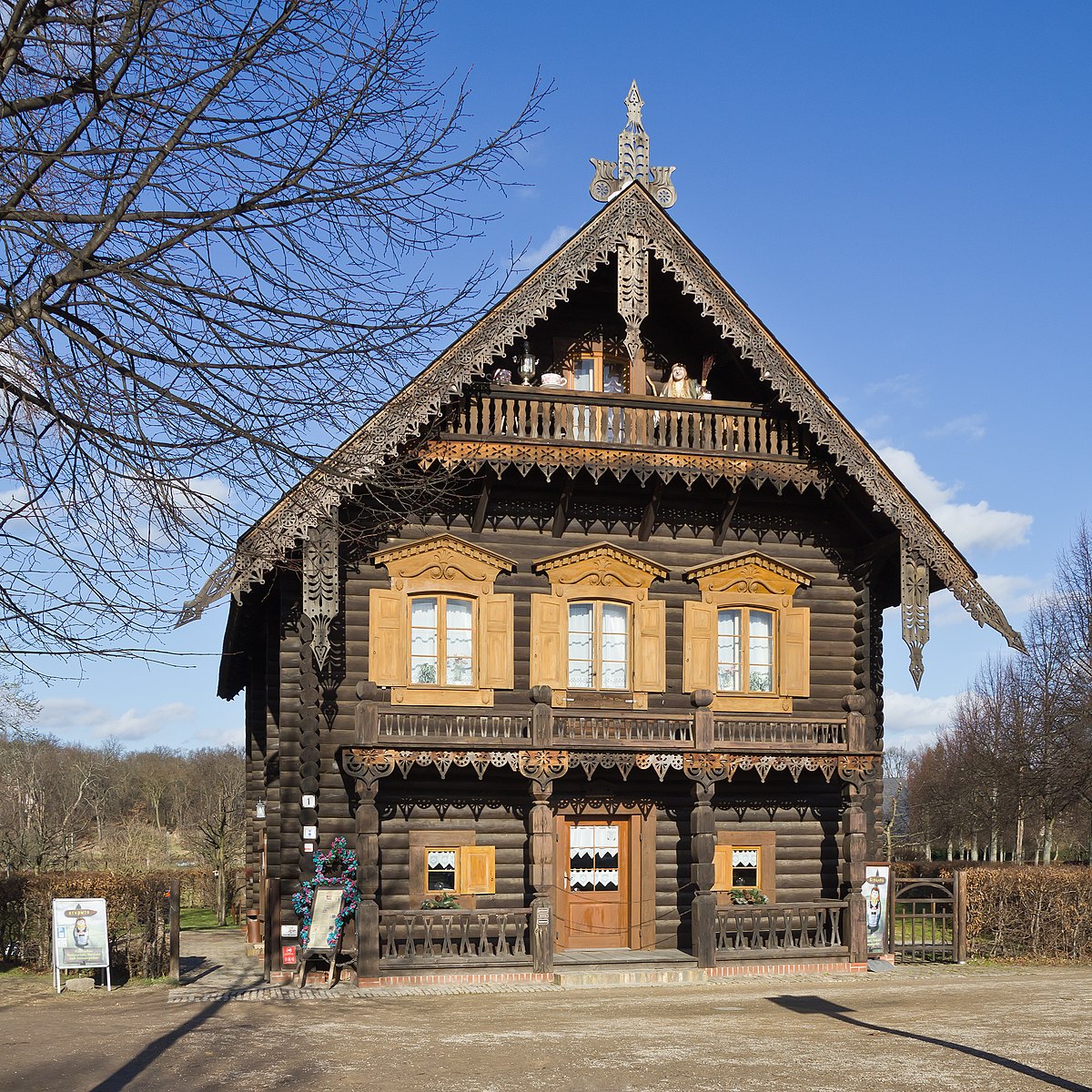
Alexandrowka
📍 Brandenburg, Germany
Located in the picturesque city of Potsdam, Germany, Alexandrowka is an intriguing architectural ensemble that reflects a unique blend of Russian and …

Alte Burg Penzlin
📍 Brandenburg, Germany
Alte Burg Penzlin, a captivating castle located in the quaint town of Penzlin, Germany, serves as a remarkable example of medieval architecture and …

Alte Dorfkirche Röxe
📍 Brandenburg, Germany
The Alte Dorfkirche Röxe stands as a poignant symbol of architectural and cultural history in the Stendal region of Germany. This church building, …
More Hillforts

Burg Esesfeld
📍 Lower Saxony, Germany
Burg Esesfeld is a historically significant hillfort located in the Itzehoe region of Germany. This ancient structure provides insights into the …

Burgwall Bärwalde
📍 Brandenburg, Germany
Burgwall Bärwalde represents a significant archaeological site in Brandenburg, Germany, embodying the enduring legacy of ancient cultures. This …

Burgwall Feldberg
📍 Brandenburg, Germany
Burgwall Feldberg is an intriguing hillfort located in the scenic Feldberger Seenlandschaft region of Germany. This archaeological site offers a …

Burgwall Glienke
📍 Brandenburg, Germany
Burgwall Glienke, a notable hillfort located in the Friedland region of Germany, offers a glimpse into the ancient past of human settlement and …

Burgwall Hühnerwinkel
📍 Brandenburg, Germany
Burgwall Hühnerwinkel is an intriguing hillfort located in the Löcknitz region of Germany, offering visitors a unique glimpse into ancient …

Burgwall Hungerstorf
📍 Mecklenburg-Vorpommern, Germany
Burgwall Hungerstorf is an intriguing hillfort located in the Faulenrost region of Germany. This ancient structure invites visitors to explore its …