Overview
Standing resolutely since the 1100s, Kevernburg Castle in Arnstadt, Thuringia, Germany, offers an intriguing glimpse into the medieval past. This historic fortress, with its imposing architecture and strategic location, has played a significant role in the region’s history. The surrounding landscape is characterized by rolling hills and lush greenery, creating a serene backdrop that contrasts with the castle’s formidable presence.
Kevernburg is not just a castle; it represents the enduring spirit of medieval fortifications and the architectural innovations of the time. Visitors to Kevernburg will discover a site steeped in history and architectural intrigue. From its robust walls to the remnants of its once-grand interior, the castle invites exploration and reflection on the lives of those who once called it home.
As you traverse the grounds, you’ll uncover stories etched into the very stones of Kevernburg, each whispering tales of defense, nobility, and survival through the ages.
History and Significance
Kevernburg Castle, established in the 1100s, has witnessed centuries of transformation. Originally built as a fortification, it served as a stronghold for local lords, reflecting the feudal system that prevailed during its inception. Over the centuries, the castle has undergone various modifications and restorations, adapting to the changing needs and tastes of its inhabitants.
The castle’s strategic position made it crucial in the defense of the region, serving as a bastion against invading forces and as a symbol of power for the local nobility. Its historical significance extends beyond military might; Kevernburg also embodies the cultural heritage of Thuringia, representing the architectural and social developments of the medieval period.
Visitors can contemplate the castle’s role in local governance and its influence on the surrounding communities. As a site of historical importance, Kevernburg stands as a reminder of the region’s resilience and the complexities of its past. The stories of those who lived and worked within its walls contribute to the rich narrative of medieval Germany.
Architecture and Features
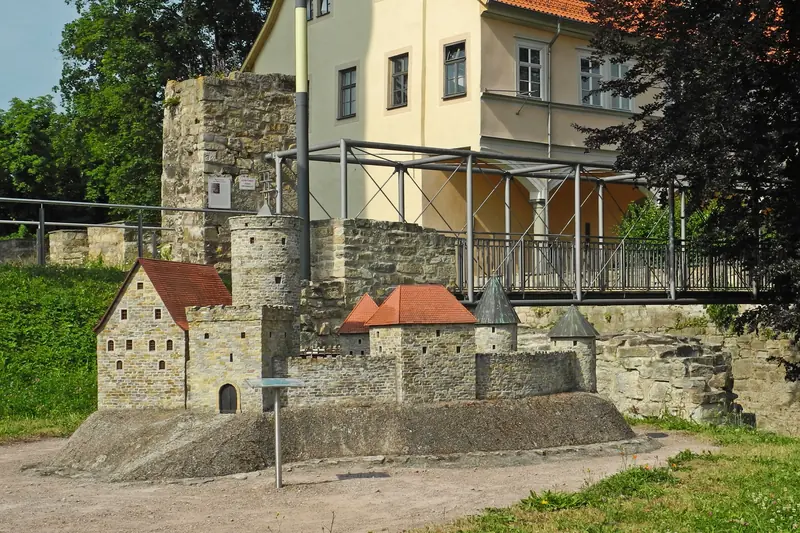
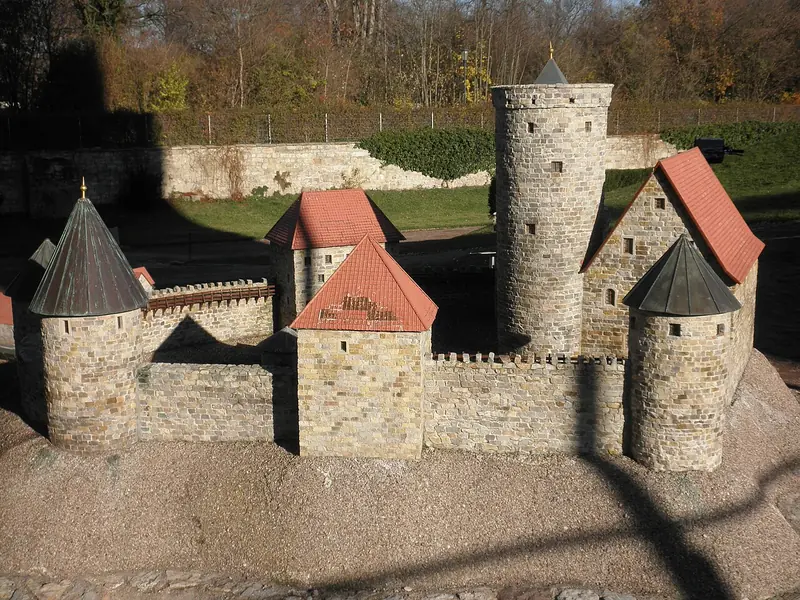
Kevernburg Castle showcases the architectural style characteristic of medieval fortifications. Its robust stone walls, designed to withstand sieges, create a formidable appearance. The castle’s design reflects practical defensive needs, featuring towers that provide vantage points for surveillance and defense.
As you approach Kevernburg, notice the large entrance gate, which once served as the primary access point. The thick walls, constructed from local stone, convey a sense of strength and durability. Visitors should look for remnants of the original features, including arrow slits and battlements, which reveal the castle’s military purpose.
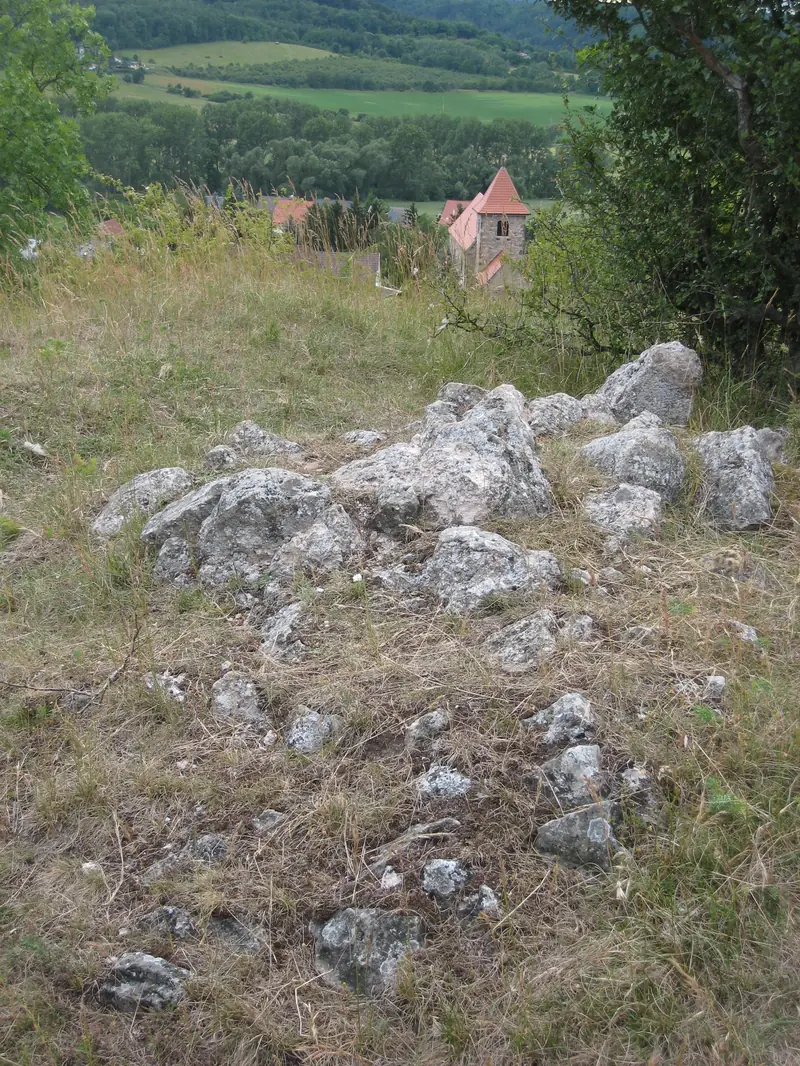
The surrounding grounds offer a glimpse into the castle’s once-vibrant life. Although much of the interior may be in ruins, the remaining structures hint at the grandeur that once defined Kevernburg. The castle’s elevation provides a commanding view of the nearby area, enhancing its strategic significance and offering a compelling perspective on the landscape that surrounds it.
Visiting Information
Kevernburg Castle is accessible to visitors eager to explore its storied past. General transport options to the region typically include local roadways and public transport systems.
Hours: Check the official website for current opening hours.
Prices: Visit the official website for current admission prices.
During your visit, expect to engage with the castle’s history through self-guided exploration. The grounds are well-maintained, offering a mix of open spaces and areas for quiet reflection. It is advisable to allocate approximately 1-2 hours for your visit, allowing ample time to appreciate the castle’s architecture and historical significance.
The best times to visit are typically in the morning when crowds are fewer, and during the spring or fall when the weather is mild. Accessibility considerations may vary, so it’s important to contact the site directly for the latest information.
Nearby Attractions
While visiting Kevernburg, consider exploring these nearby attractions that enrich the cultural experience:
Arnstadt Old Town: Just a short distance away, this charming old town features well-preserved historical buildings, cobblestone streets, and vibrant local markets.
Bach’s House: A museum dedicated to the life and work of Johann Sebastian Bach, located in the nearby area, it offers insights into the composer’s early years in Arnstadt.
Schlossmuseum Arnstadt: This museum showcases the history of Arnstadt through various exhibits, including art and artifacts that highlight the region’s rich cultural heritage.
Thuringian Forest: This expansive natural area offers numerous trails for hiking and exploring, providing a contrast to the historical ambiance of Kevernburg.
St. Bonifacius Church: A beautiful church in Arnstadt, known for its stunning architecture and historical significance, it adds to the cultural tapestry of the area.
Insider Tips
To make the most of your visit to Kevernburg, consider these insider tips:
Best Photography Spots: Capture the castle’s exterior from the base for dramatic angles, particularly in the soft morning light. The view from the towers also provides striking landscape photographs.
Lesser-Known Details: Look closely at the stonework for inscriptions or symbols that hint at the castle’s history. Engaging with these small details can enhance your understanding of the site.
Avoiding Crowds: Visit during weekdays or early mornings to experience a quieter exploration of the castle grounds.
Local Tips: Bring a picnic to enjoy on the castle grounds. The serene environment provides a perfect backdrop for relaxation amidst your exploration.
Practical Information
As you prepare for your visit to Kevernburg, here are some practical considerations:
What to Bring: Comfortable walking shoes are essential, as the terrain may be uneven. A camera is recommended for capturing the stunning architecture and landscape.
Seasonal Considerations: Be mindful of the weather, as conditions can vary. Check forecasts to dress appropriately, especially in colder months.
General Guidelines: Respect the site by adhering to any posted rules or guidelines during your visit. This ensures the preservation of Kevernburg for future generations.
Frequently Asked Questions
How long should I spend visiting?
You should plan to spend about 1-2 hours at Kevernburg Castle to fully appreciate its history and architecture.
Is photography allowed inside?
Yes, photography is generally allowed in the castle and the surrounding grounds, but be mindful of any specific restrictions.
Are there guided tours available?
Currently, there are no specific guided tours mentioned, so self-guided exploration is encouraged.
What’s the best time of day to visit?
Visiting in the morning can help you avoid larger crowds, allowing for a more peaceful experience.
Is the site wheelchair accessible?
Accessibility may vary; contact the site directly for the latest information on wheelchair access.
Can I buy tickets online?
It’s best to check the official website for current admission options and ticket purchasing information.
Are there facilities like restrooms and cafes?
Confirm with the site regarding available facilities as this information is subject to change.
What should I wear when visiting?
Wear comfortable clothing and sturdy footwear suitable for exploring the castle grounds and navigating uneven surfaces.
Photo Gallery