
Katharina-Luther-Stube Torgau
Overview
Katharina-Luther-Stube Torgau is a significant museum located in Torgau, Germany, dedicated to the life and legacy of Katharina von Bora, the wife of Martin Luther. This site is not only important for its historical context but also for its intimate connection to the Reformation, as it marks the place where Katharina passed away. Visitors to this museum can expect to explore the life of a woman who played a crucial role in the Protestant Reformation, offering insights into her contributions and the societal norms of her time.
Torgau, a town rich in history, has roots that stretch back to medieval times, and it serves as a fitting backdrop for this museum. The Katharina-Luther-Stube is located within a city that has witnessed pivotal moments in German history, making it a vital stop for those interested in both the Reformation and the broader cultural heritage of Germany. Here, the stories of faith, resilience, and change are interwoven, inviting visitors to reflect on the past while considering its implications for the present.
As you step into the Katharina-Luther-Stube, you are not merely entering a museum but rather a space that resonates with the echoes of history and the profound impact of one woman’s life on the course of modern Christianity. This guide will provide you with detailed insights into the museum, its historical significance, architecture, visiting information, and more, ensuring a well-rounded experience during your visit.
History and Significance
Katharina von Bora, born in 1499, was a former nun who became an influential figure in the Protestant Reformation after her marriage to Martin Luther in 1525. Her life story is one of remarkable transformation and strength. Leaving the convent in a daring escape, she took a bold step into a new life, marrying Luther and becoming a partner in his theological endeavors. Katharina’s role extended beyond that of a supportive spouse; she was a capable manager of their household and a mother to several children.
The Katharina-Luther-Stube is significant not only as the site of her death but also as a reflection of the profound changes that the Reformation brought to society. The museum serves to educate visitors about her life, her struggles, and her contributions to the church and family life. She is often credited with establishing the model of a pastor’s wife, balancing domestic responsibilities with the demands of her husband’s work.
The museum is a poignant reminder of the impact of the Reformation on everyday lives, particularly for women. It challenges traditional narratives that often overlook the contributions of female figures in historical movements. By focusing on Katharina, the museum highlights the vital role women played in shaping the religious and cultural landscapes of their time.
Visitors can expect to encounter various exhibits that illustrate Katharina’s life, her relationship with Martin Luther, and the broader context of the Reformation. The museum not only celebrates her legacy but also encourages reflection on the evolving roles of women in society and their influence on religious practices.
Architecture and Features
The Katharina-Luther-Stube is situated in a structure that reflects the architectural style of its time, with elements that speak to the historical significance of the building. The museum is designed to provide an immersive experience, inviting visitors to explore the various aspects of Katharina von Bora’s life and her contributions to the Reformation.
Inside, the museum features a series of thoughtfully curated exhibits that include personal artifacts, documents, and displays that tell the story of Katharina and her family. The layout is designed to guide visitors through her life journey, from her early years in the convent to her time as a mother and wife in Wittenberg. Each room offers a glimpse into different facets of her life, with informative panels and multimedia presentations that enhance understanding.
A notable aspect of the museum is its preservation of the intimate environment where Katharina lived her final days. This space is treated with reverence, showcasing elements that evoke the atmosphere of the 16th century. The careful restoration of the area allows visitors to appreciate the historical context in which Katharina lived and the everyday realities of her life.
The museum also includes a small library and reading area, where visitors can delve deeper into the literature surrounding the Reformation and Katharina’s life. Overall, the architecture of the Katharina-Luther-Stube not only houses artifacts but also encapsulates the spirit of a pivotal moment in history.
Visiting Information
Visiting the Katharina-Luther-Stube is a rewarding experience for those interested in the intersection of history, culture, and religion. Torgau is accessible by various means of transportation, and the museum is situated conveniently within the town.
When planning your visit, it is advisable to check the official website for current information regarding hours of operation and ticket prices. The museum typically accommodates visitors throughout the week, although hours may vary, especially during holidays or special events.
A typical visit to the museum can take about one to two hours, allowing ample time to engage with the exhibits and reflect on the life of Katharina von Bora. It is recommended to allocate sufficient time to explore the museum fully, as it offers a wealth of information and insights.
The best times to visit are during the weekdays when crowds tend to be lighter, allowing for a more personal experience with the exhibits. If you are interested in guided tours, inquire in advance to see if any are scheduled during your visit, as they can enhance your understanding of the historical context.
Nearby Attractions
While in Torgau, visitors can explore several nearby attractions that complement a visit to the Katharina-Luther-Stube:
Hartenfels Castle: This Renaissance castle is a short distance from the museum and offers a glimpse into the architectural styles of the era. Visitors can explore its impressive halls and learn about its historical significance.
St. Mary’s Church: Known for its stunning Gothic architecture, this church is a key landmark in Torgau. It features beautiful stained glass windows and an impressive altar, making it a must-visit for architecture enthusiasts.
Torgau Town Square: The town square is a vibrant hub that showcases the charm of Torgau. Lined with cafes and shops, it provides a perfect spot for a leisurely stroll or a quick bite to eat.
The Elbe River: A short walk from the museum, the Elbe River offers scenic views and opportunities for leisurely walks along its banks. The river is an important geographical feature that has played a role in the region’s history.
The Luther Memorial: Located nearby, this memorial commemorates Martin Luther’s contributions to the Reformation. It serves as a poignant reminder of the lasting impact he had on Christianity and society.
Insider Tips
To enhance your visit to the Katharina-Luther-Stube, consider these insider tips:
Photography: Check the museum’s policy on photography before your visit. If allowed, take care to capture the intimate details of the exhibits while being respectful of other visitors.
Crowd Avoidance: To enjoy a more peaceful experience, plan your visit during the late morning or early afternoon on weekdays. Weekend visits may attract larger crowds.
Explore the Surroundings: After your visit, take some time to explore the charming streets of Torgau. The town’s historical architecture and vibrant atmosphere are worth the exploration.
Practical Information
Before visiting the Katharina-Luther-Stube, here are some practical considerations:
What to Bring: It is advisable to bring a small bag for personal items, water, and possibly a notebook if you wish to jot down thoughts or insights during your visit.
Seasonal Considerations: Torgau experiences a temperate climate. Be prepared for variable weather, especially if visiting in the spring or fall. Layered clothing is recommended for comfort.
Accessibility: Inquire about accessibility options if you have specific needs. The museum aims to accommodate all visitors, but it’s best to confirm in advance.
Frequently Asked Questions
How long should I spend visiting?
A visit typically lasts between one to two hours, allowing enough time to explore the exhibits and reflect on Katharina von Bora’s life.
Is photography allowed?
Check the museum’s policy on photography upon arrival, as regulations may vary.
Are there guided tours?
Inquire about guided tours in advance, as they may be available and can enhance your understanding of the exhibits.
What’s the best time to visit?
Weekdays, particularly late mornings or early afternoons, are recommended for a quieter experience.
Is it wheelchair accessible?
Check with the museum for specific accessibility options to ensure a comfortable visit.
Can I buy tickets online?
For the most accurate information on ticket purchases, check the official website.
Are there restrooms and cafes?
Facilities are typically available, but confirm their location and availability upon arrival.
What should I wear?
Dress comfortably and appropriately for the weather, and consider layered clothing for variable temperatures.
More in Brandenburg
Agnetenkloster
📍 Brandenburg, Germany
Agnetenkloster, a former monastery located in the heart of Magdeburg, Germany, invites visitors to explore its serene ambiance and historical …

Agroneum
📍 Brandenburg, Germany
Agroneum is a museum located in the serene landscape of Alt Schwerin, Germany. This establishment serves as a vibrant hub for those interested in the …

Alexander Nevsky Memorial Church
📍 Brandenburg, Germany
The Alexander Nevsky Memorial Church in Potsdam, Germany, offers visitors a unique glimpse into the city’s cultural and religious heritage. This …
Alexandrowka
📍 Brandenburg, Germany
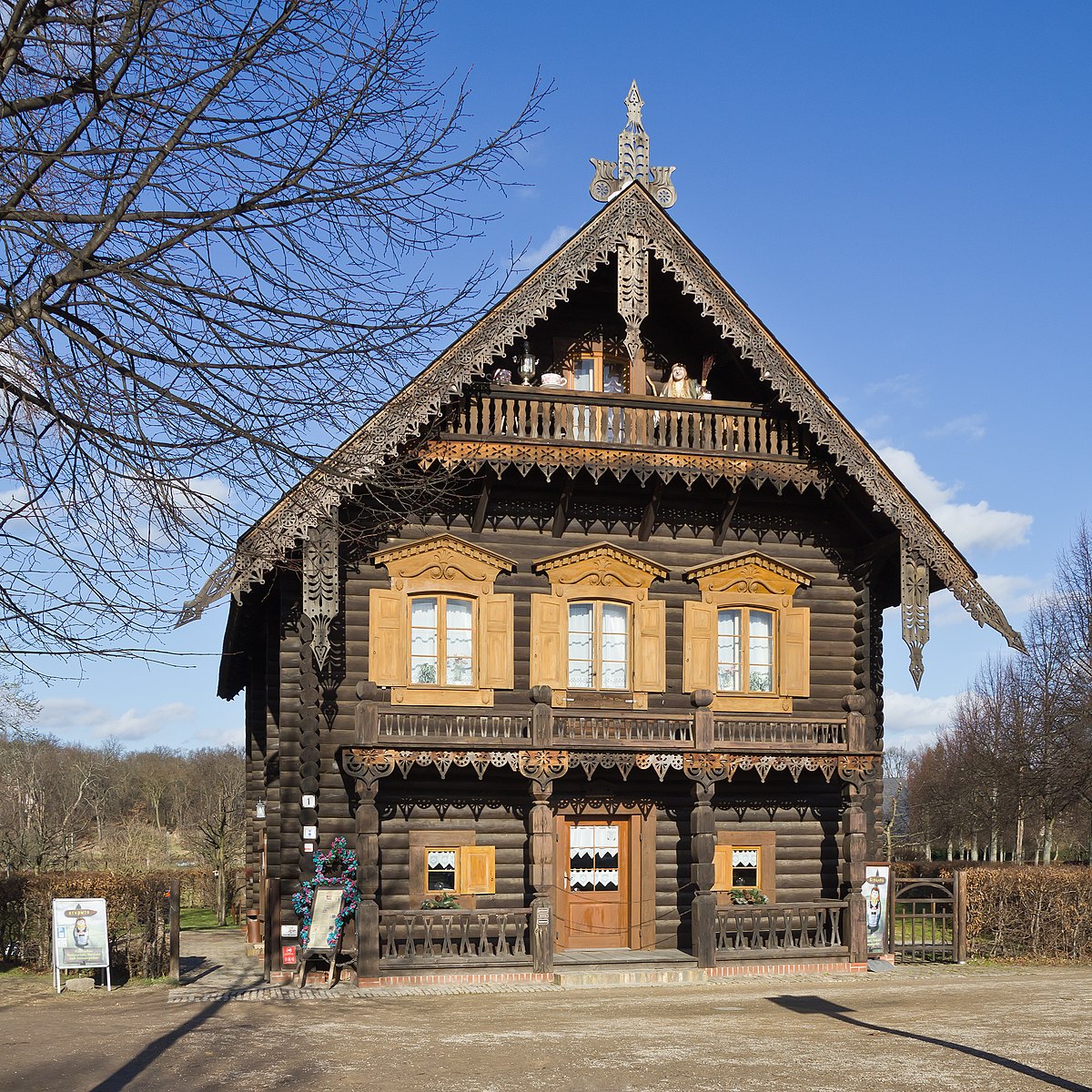
Located in the picturesque city of Potsdam, Germany, Alexandrowka is an intriguing architectural ensemble that reflects a unique blend of Russian and …

Alte Burg Penzlin
📍 Brandenburg, Germany
Alte Burg Penzlin, a captivating castle located in the quaint town of Penzlin, Germany, serves as a remarkable example of medieval architecture and …

Alte Dorfkirche Röxe
📍 Brandenburg, Germany
The Alte Dorfkirche Röxe stands as a poignant symbol of architectural and cultural history in the Stendal region of Germany. This church building, …
More Museums

Abbey and Altenmünster of Lorsch
📍 Baden-Württemberg, Germany
The Abbey and Altenmünster of Lorsch is a UNESCO World Heritage site located in the charming town of Lorsch, Germany. This significant cultural …
Abenteuermuseum
📍 Rhineland-Palatinate, Germany
The Abenteuermuseum, located in Germany, invites visitors to explore the wonders of adventure through its unique exhibits and engaging experiences. …

Abwasser- und Sielmuseum
📍 Hamburg, Germany
The Abwasser- und Sielmuseum, located in the heart of Hamburg-Mitte, offers a unique glimpse into the city’s historical infrastructure concerning …

Academy of Arts, Berlin
📍 Berlin, Germany
The Academy of Arts in Berlin is not just a museum; it is a prominent national institution dedicated to the advancement of the arts in Germany. …

Ackerbürgermuseum Haus Leck
📍 Hesse, Germany
Ackerbürgermuseum Haus Leck is a culturally significant museum located in Germany’s Grebenstein region, dedicated to preserving and showcasing the …

Active Museum Spiegelgasse
📍 Hesse, Germany
Active Museum Spiegelgasse is a vital institution dedicated to preserving and exploring the German-Jewish history of Wiesbaden, Germany. Located in …