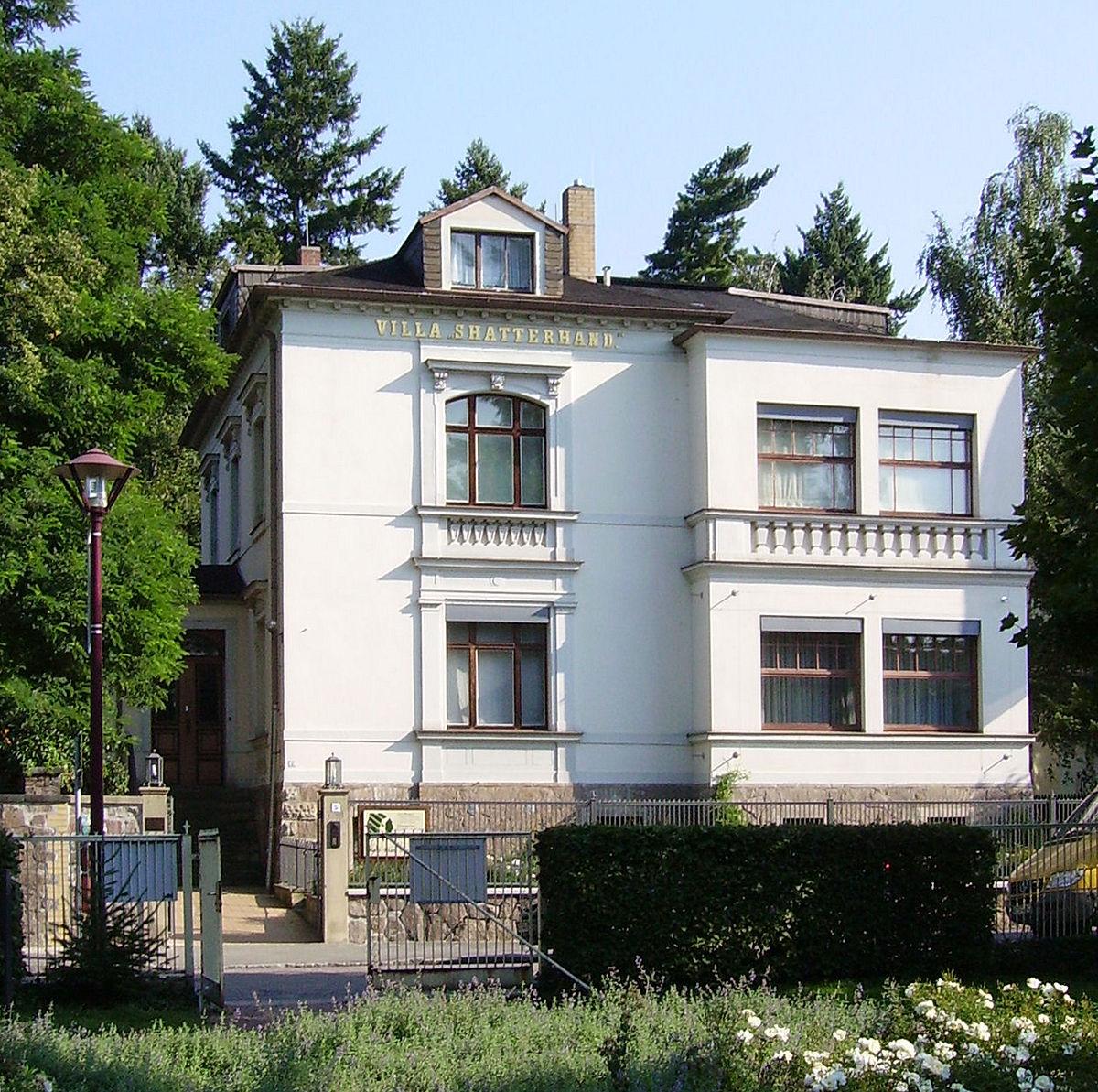
Karl May Museum Radebeul
Overview
The Karl May Museum in Radebeul, Germany, offers a fascinating glimpse into the life and works of one of Germany’s most beloved authors, Karl May. Known for his adventurous novels that transported readers to the Wild West and the Orient, May’s stories have captivated generations. This museum is not just a tribute to his literary genius but also a reflection of the cultural context in which he wrote. Located in Radebeul, a charming town near Dresden, the museum serves as a cultural landmark that attracts literature enthusiasts and curious travelers alike.
Visitors can expect to delve into May’s world through extensive exhibits featuring original manuscripts, photographs, and personal memorabilia. The museum stands as an essential destination for those interested in German literature and its impact on popular culture. With its engaging displays and thoughtful presentations, the Karl May Museum promises an enriching experience, shedding light on the life of a man whose imagination shaped the adventures of many.
History and Significance
Karl May was born in 1842 in what is now Saxony, Germany. Despite facing a challenging childhood marked by poverty and the loss of his father, May’s passion for storytelling flourished. He began writing novels in the late 19th century, achieving immense popularity with tales set in the American West and the Near East. His characters, such as the noble Apache chief Winnetou and the intrepid Old Shatterhand, became iconic figures in German literature.
The establishment of the Karl May Museum in Radebeul reflects the author’s enduring legacy. Housed in a villa where May lived for several years, the museum showcases the profound influence of his work on both literature and popular culture. It serves not only as a repository of May’s works but also as a center for research and discussion surrounding his contributions to literature. The museum’s collection includes first editions of his books, letters, and personal items, which offer insights into his creative process and the historical backdrop of his narratives.
In addition to celebrating May’s literary achievements, the museum engages with contemporary interpretations of his work, highlighting its relevance in modern society. It has become a cultural hub, hosting events, lectures, and exhibitions that explore the broader themes present in May’s writings, such as adventure, friendship, and cultural exchange. Through these initiatives, the Karl May Museum upholds the spirit of exploration and storytelling that defines May’s legacy.
Architecture and Features
The Karl May Museum is located in a historic villa that exemplifies the architectural style of its time. Although specific architectural details are not provided, the building itself contributes to the museum’s character, creating an atmosphere that complements the themes of adventure and exploration found in May’s stories.
Inside, the museum features a range of exhibits designed to engage visitors. From interactive displays to carefully curated collections, each section invites exploration into different aspects of May’s life and works. The museum’s layout encourages a flow that allows visitors to immerse themselves fully in the exhibits, with information panels offering context and insights.
Notable features likely include original manuscripts and artifacts from May’s life, which help to paint a picture of the author beyond his literary creations. The museum’s commitment to preserving and presenting Karl May’s legacy is evident in its thoughtful curation and dedication to education.
Visiting Information
Reaching the Karl May Museum is convenient, with several transport options available. It is advisable to check the official website for current hours and ticket prices, as these can vary seasonally. Visitors typically spend a couple of hours exploring the museum, though those particularly interested in literature or history may wish to linger longer to absorb the wealth of information presented.
The best times to visit are likely during weekdays or outside of peak tourist seasons when crowds are thinner. This allows for a more intimate experience, enabling visitors to engage with the exhibits without the hustle and bustle of larger groups.
The museum often hosts special events and exhibitions, which can enhance the visitor experience. Therefore, checking the official website before planning your visit is recommended to discover any unique offerings during your stay.
Nearby Attractions
Radebeul is home to several attractions that complement a visit to the Karl May Museum:
Castle Wackerbarth: A scenic vineyard estate offering guided tours and wine tastings, showcasing the region’s viticulture.
Dresden: Just a short distance away, this historic city is renowned for its baroque architecture, museums, and vibrant cultural scene.
Lößnitzgrundbahn: A charming narrow-gauge railway that runs through picturesque landscapes, providing a unique way to explore the surrounding area.
Albrechtsburg Castle: Located in nearby Meissen, this historic castle offers stunning views and a deep dive into medieval history.
Pillnitz Palace and Park: A beautiful palace set in expansive gardens, perfect for a leisurely stroll and exploring the 18th-century architectural style.
Insider Tips
To make the most of your visit to the Karl May Museum, consider the following insider tips:
Photography: While many museums allow photography, it’s best to check for any restrictions, especially in specific exhibit areas.
Crowd Avoidance: Aim to visit during weekdays or early in the morning to avoid the larger crowds typically seen on weekends.
Guided Tours: If available, guided tours can provide richer insights into May’s life and works, enhancing your understanding of the exhibits.
Practical Information
When planning your visit to the Karl May Museum, consider bringing the following items:
Comfortable Shoes: You’ll likely be walking and standing for extended periods, so wear comfortable footwear.
Water Bottle: Staying hydrated is essential, especially if you plan to explore nearby attractions afterward.
Seasonal Considerations: Depending on the time of year, dress appropriately for the weather, as you may want to explore the outdoor areas surrounding the museum.
Frequently Asked Questions
How long should I spend visiting?
A visit typically takes around two hours, but literature enthusiasts may wish to stay longer.
Is photography allowed?
Check the museum’s policy on photography, as restrictions may apply in certain areas.
Are there guided tours?
Guided tours may be available, providing deeper insights into Karl May’s life and works.
What’s the best time to visit?
Weekdays or early mornings are often the best times to avoid crowds.
Is it wheelchair accessible?
For details on accessibility, check the official website before planning your visit.
Can I buy tickets online?
Ticket purchasing options should be verified on the museum’s official website.
Are there restrooms and cafes?
Facilities such as restrooms may be available, but check the website for specific amenities.
What should I wear?
Dress comfortably and appropriately for the weather, especially if you plan to explore outdoor areas.
More in Saxony

6. Grundschule "Am Großen Garten"
📍 Saxony, Germany
The 6. Grundschule “Am Großen Garten” stands as a significant educational institution in Dresden, Germany, embodying the principles of early childhood …

Albertinum
📍 Saxony, Germany
Albertinum is a prominent art museum located in the heart of Dresden, Germany, serving as a significant cultural institution in the region. …

All Saints Church, Dresden
📍 Saxony, Germany
All Saints Church, located in the vibrant city of Dresden, Germany, is a remarkable church building that captures the essence of the region’s …

Altarstein (Saxon Switzerland)
📍 Saxony, Germany
Altarstein, located in the picturesque region of Saxon Switzerland, Germany, is a captivating monument that draws visitors into its historical …

Alte Nikolaischule (Leipzig)
📍 Saxony, Germany
Alte Nikolaischule, located in the heart of Leipzig, Germany, is a significant educational institution with a rich heritage. Founded as a school, it …
Alte Schulbrücke Oberbobritzsch
📍 Saxony, Germany
The Alte Schulbrücke Oberbobritzsch is a striking bridge situated in the Bobritzsch-Hilbersdorf region of Germany. This structure serves not only as a …
More Museums

Abbey and Altenmünster of Lorsch
📍 Baden-Württemberg, Germany
The Abbey and Altenmünster of Lorsch is a UNESCO World Heritage site located in the charming town of Lorsch, Germany. This significant cultural …
Abenteuermuseum
📍 Rhineland-Palatinate, Germany
The Abenteuermuseum, located in Germany, invites visitors to explore the wonders of adventure through its unique exhibits and engaging experiences. …

Abwasser- und Sielmuseum
📍 Hamburg, Germany
The Abwasser- und Sielmuseum, located in the heart of Hamburg-Mitte, offers a unique glimpse into the city’s historical infrastructure concerning …

Academy of Arts, Berlin
📍 Berlin, Germany
The Academy of Arts in Berlin is not just a museum; it is a prominent national institution dedicated to the advancement of the arts in Germany. …

Ackerbürgermuseum Haus Leck
📍 Hesse, Germany
Ackerbürgermuseum Haus Leck is a culturally significant museum located in Germany’s Grebenstein region, dedicated to preserving and showcasing the …

Active Museum Spiegelgasse
📍 Hesse, Germany
Active Museum Spiegelgasse is a vital institution dedicated to preserving and exploring the German-Jewish history of Wiesbaden, Germany. Located in …