Overview
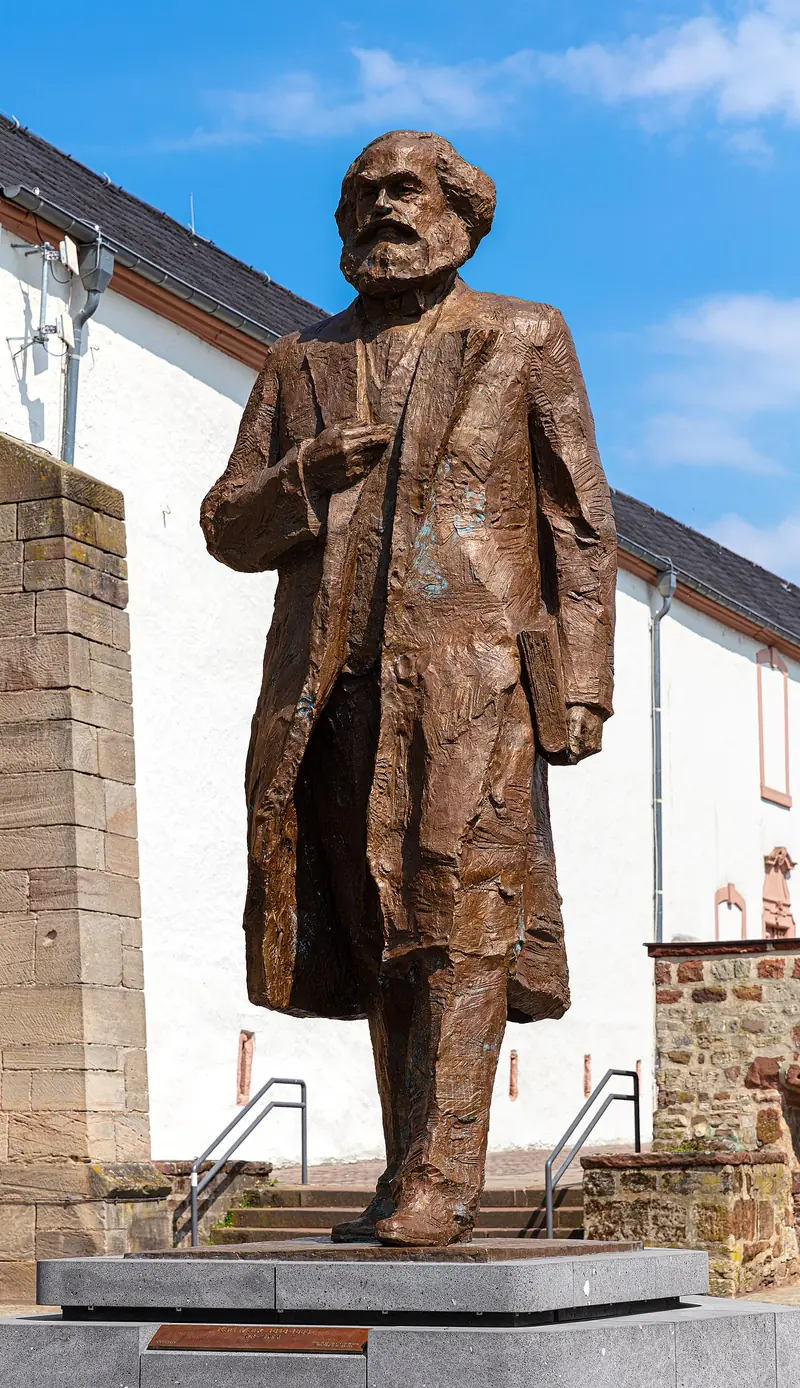
In the heart of Trier, Germany, the Karl Marx statue stands as a prominent monument, celebrating the legacy of one of the most influential thinkers in modern history. Born in Trier in 1818, Marx’s work laid the groundwork for various political and economic theories that shaped the 20th century and beyond. This statue, a gift from the People’s Republic of China in 2018, marks the 200th anniversary of his birth and serves as a focal point for discussions surrounding his ideas and impact on global society.
Positioned within a city rich with Roman ruins and medieval architecture, the monument adds a contemporary layer to Trier’s historical landscape. Visitors to the statue are not only treated to a glimpse of Marx’s imposing figure but are also invited to reflect on the complexities of his ideology within the context of modern social movements. As a symbol of both admiration and controversy, the Karl Marx statue is not just a piece of art but a starting point for deeper conversations about history, politics, and philosophy.
History and Significance
Trier is often referred to as the oldest city in Germany, and its long history is intertwined with the life of Karl Marx. Born to a middle-class family in the city, Marx’s early years were shaped by the political and social climate of the time, which influenced his later writings on capitalism and class struggle. His works, particularly “The Communist Manifesto” and “Das Kapital,” have had a profound impact on political thought and movements around the world.
The statue itself was commissioned to commemorate Marx’s 200th birthday and was officially unveiled in May 2018. The decision to place the statue in Trier was significant, as it honors the place of his birth while also acknowledging the global reach of his ideas. The monument has stirred debate, reflecting the polarized views on Marxism today. Supporters celebrate Marx’s critique of capitalism, while critics often associate his theories with the failures of communist regimes in the 20th century.
The statue’s arrival, funded by the Chinese government, signifies an ongoing interest in Marx’s ideas, particularly in countries where his philosophies still resonate. It serves as a reminder of the enduring nature of his work and its influence on contemporary social and political thought.
Architecture and Features
The Karl Marx statue is a striking monument crafted from bronze, towering at an impressive height. The figure of Marx is depicted in a contemplative pose, his beard flowing and eyes gazing into the distance, embodying the depth of his philosophical inquiries. The statue is mounted on a stone pedestal, which bears inscriptions that reflect his contributions to political philosophy.
One of the notable features of the statue is its scale and attention to detail. The craftsmanship highlights not only the likeness of Marx but also the weight of his ideas, making it a compelling focal point within the urban landscape of Trier. Surrounding the statue, the area is designed to encourage reflection, with ample space for visitors to engage with the monument and its historical significance.
The choice of bronze as the material for the statue speaks to its durability and the permanence of Marx’s ideas. The monument is positioned in a way that allows for visibility from various angles, making it an integral part of the city’s scenery. This thoughtful placement invites both spontaneous encounters and dedicated visits, ensuring that the statue remains a key part of Trier’s cultural fabric.
Visiting Information
Visiting the Karl Marx statue is an enriching experience for those interested in philosophy, history, or political thought. The monument is located centrally, making it easily accessible to visitors exploring Trier. Public transportation options are available, and the city is well-connected, allowing for convenient travel to and from the site.
Check the official website for current information regarding visiting hours and any potential entry fees. Expect the visit to be a leisurely one, as many guests take time to reflect on the statue and its significance. A visit typically lasts around 30 minutes to an hour, depending on one’s interest in the surrounding discussions and the historical context of Marx’s work.
The best times to visit are during weekdays when foot traffic is lighter, allowing for a more intimate experience with the statue. Early mornings or late afternoons can also provide a quieter atmosphere, ideal for contemplation and photography.
Nearby Attractions
While in Trier, visitors can explore several nearby attractions that complement the historical narrative of the city:
Porta Nigra: This impressive Roman city gate is one of Trier’s most recognizable landmarks and a UNESCO World Heritage site. Built in the 2nd century, it showcases Roman architecture at its finest.
Trier Cathedral: A stunning blend of Romanesque and Gothic architecture, the cathedral is the oldest church in Germany and houses significant religious relics.
Karl Marx House: Just a short walk from the statue, this museum is dedicated to Marx’s life and work, providing deeper insights into his influence and the historical context of his ideas.
Constantine Basilica: Another UNESCO site, this basilica was originally built as a Roman throne room and is renowned for its massive basilica-style architecture.
Roman Amphitheater: This ancient structure offers a glimpse into the entertainment and social life of the Roman era, complete with fascinating ruins and historical context.
Insider Tips
For the best photography opportunities, aim to visit during the golden hours of sunrise or sunset when the lighting enhances the statue’s bronze features. Additionally, to avoid crowds, consider visiting on weekdays, particularly in the early morning or late afternoon.
Engaging with the monument can be a thought-provoking experience, so take your time to reflect on the surrounding discussions and the history of Marx’s influence. Bring a notebook or a sketchpad if you enjoy jotting down thoughts or capturing the essence of the statue in art.
Practical Information
When planning your visit, it’s advisable to wear comfortable shoes, as exploring Trier’s historical sites often involves walking on cobblestone streets. Seasonal considerations are also important; spring and autumn offer mild weather, making outdoor exploration enjoyable.
Bringing a water bottle and snacks can enhance your experience, especially if you plan to spend time reflecting at the statue or exploring nearby attractions. Always check the official website for any updates on opening hours or special events that may coincide with your visit.
Frequently Asked Questions
How long should I spend visiting?
A visit to the Karl Marx statue typically takes 30 minutes to an hour, depending on your interest in the surrounding discussions and historical context.
Is photography allowed?
Yes, photography is generally permitted at the statue, so feel free to capture your visit.
Are there guided tours?
While specific guided tours may not be available for the statue itself, local tours often include it as part of broader explorations of Trier’s historical sites.
What’s the best time to visit?
Weekdays are ideal for a quieter experience, particularly in the early morning or late afternoon.
Is it wheelchair accessible?
The area surrounding the statue is generally accessible; however, it’s advisable to assess the specific conditions upon arrival.
Can I buy tickets online?
Check the official website for information regarding any potential entry fees or ticketing options.
Are there restrooms and cafes?
While there may not be restrooms directly at the statue, nearby attractions often have facilities, and cafes are available throughout Trier.
What should I wear?
Comfortable, weather-appropriate clothing is recommended, especially if you plan to explore multiple sites in the area.



