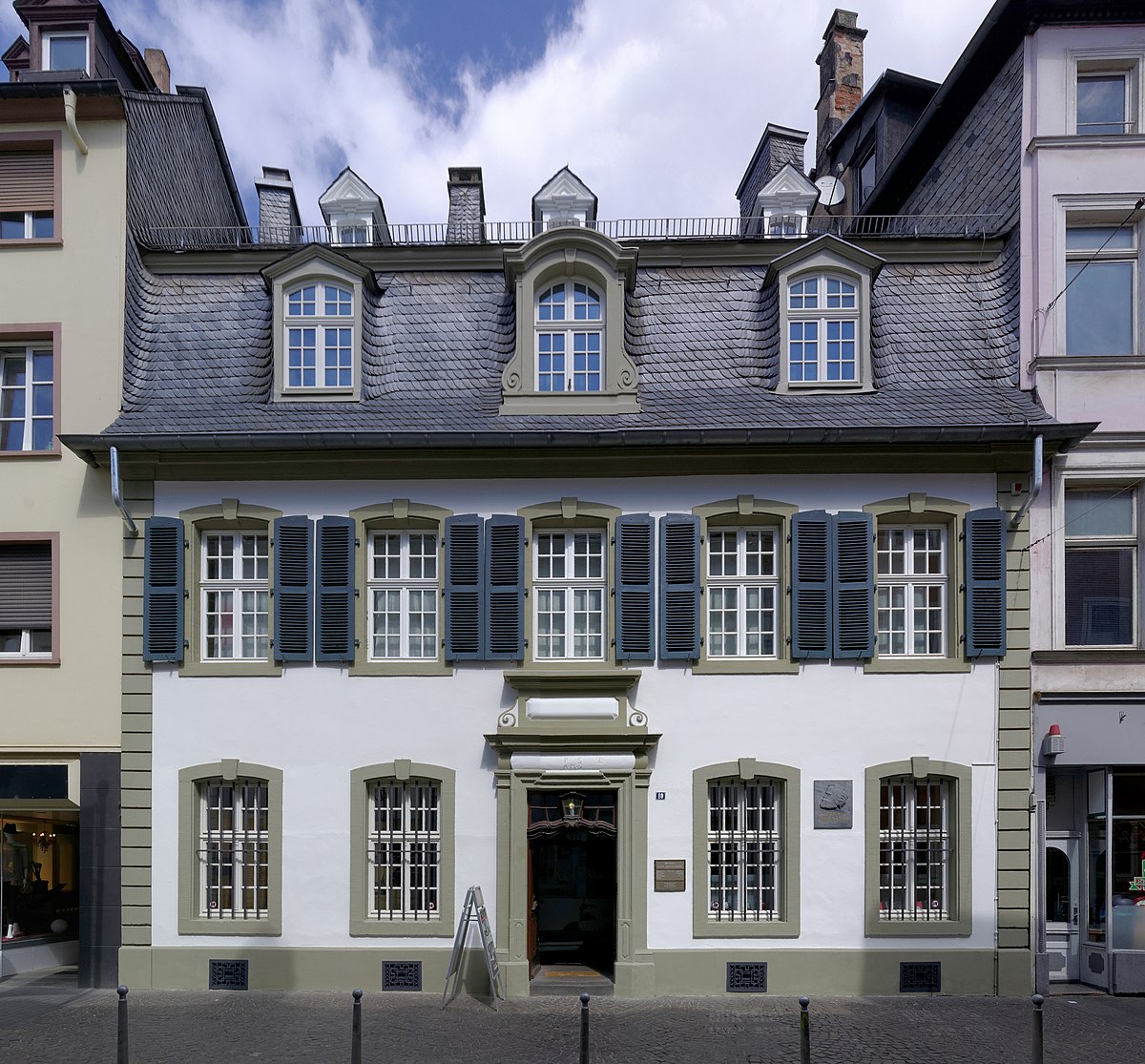
Karl-Marx-House museum
Overview
In the heart of Trier, Germany, the Karl-Marx-House museum serves as a tribute to one of the most influential figures in modern history, Karl Marx. This museum is housed in the very building where Marx was born in 1818, offering a unique glimpse into his early life and the environment that shaped his revolutionary ideas. As the birthplace of a philosopher whose writings have impacted countless political and social movements worldwide, the museum not only highlights Marx’s life but also the broader context of 19th-century Europe.
Trier, known for its rich Roman history and vibrant cultural scene, provides an ideal backdrop for exploring Marx’s legacy. The museum features a collection of artifacts, documents, and multimedia presentations that illuminate Marx’s life, work, and the significant historical events that coincided with his era. A visit here promises an enriching experience that deepens one’s understanding of both Marx as an individual and his profound influence on the world.
Located at the coordinates of 49.753889, 6.635556, the Karl-Marx-House museum is easily accessible and serves as a focal point for those interested in the intersections of history, philosophy, and social theory. Visitors will find themselves immersed in an engaging narrative that spans generations, making it a significant stop on any cultural itinerary.
History and Significance
The Karl-Marx-House museum is not merely a collection of artifacts; it is a cultural landmark that encapsulates the life and times of Karl Marx. Born in 1818, Marx spent his early years in this very building, where he began to formulate the ideas that would later culminate in his seminal works, including The Communist Manifesto and Das Kapital. These texts laid the groundwork for modern socialist and communist movements, influencing political thought around the globe.
The museum itself was established to honor Marx’s legacy and to provide a comprehensive understanding of his life and intellectual contributions. It reflects not just the individual but also the socio-political landscape of the 19th century, a period marked by industrialization, class struggle, and the rise of revolutionary ideologies. By examining Marx’s life in the context of these broader themes, the museum highlights his role in shaping the discourse around labor, capital, and social justice.
In addition to celebrating Marx’s achievements, the museum also serves as a platform for discussions on contemporary social and political issues. It hosts events, lectures, and exhibitions that draw connections between Marx’s theories and modern-day challenges, ensuring that his ideas remain relevant in today’s discourse. This approach underscores the museum’s significance not only as a historical site but also as a vibrant center for intellectual engagement.
Architecture and Features
The architectural design of the Karl-Marx-House reflects the characteristics of typical 19th-century residential buildings in Trier. Its façade features traditional elements that have been preserved over the years, allowing visitors to appreciate the historical context in which Marx was raised. The interior of the museum has been thoughtfully curated to provide an immersive experience, showcasing a variety of exhibits that detail Marx’s life, ideology, and the historical backdrop of his work.
Inside, visitors can explore a series of rooms dedicated to different aspects of Marx’s life. From his childhood and family life to his academic pursuits and revolutionary activities, each space offers insights into the experiences that shaped his worldview. The museum also incorporates multimedia displays, which enhance the visitor experience by providing interactive learning opportunities.
Notable features include original manuscripts, personal letters, and photographs that document Marx’s life and the socio-political climate of his time. These artifacts serve not only as historical records but also as poignant reminders of the enduring impact of Marx’s ideas. The museum’s layout is designed to facilitate a flow of exploration, allowing visitors to engage with the material at their own pace while ensuring that the most significant elements of Marx’s legacy are highlighted.
Visiting Information
Visiting the Karl-Marx-House museum is an enriching experience that caters to a wide range of interests, from history buffs to those curious about political theory. The museum is conveniently located in Trier, making it accessible for both local and international visitors.
To reach the museum, various transport options are available, including public buses and trains that connect to Trier’s central transport hubs. Visitors are encouraged to check the official website for the most current information regarding operational hours and ticket prices. Typically, the museum offers a range of ticket options, including discounts for students and groups.
The time needed for a thorough visit can vary; however, many guests find that dedicating around two hours allows for a comprehensive exploration of the exhibits. The museum is designed to accommodate visitors of all ages, making it a family-friendly destination.
The best times to visit are during the shoulder seasons of spring and autumn when the weather is generally mild and the tourist crowds are less intense. This timing allows for a more intimate experience with the exhibits and a chance to engage more deeply with the museum’s offerings.
Nearby Attractions
Trier is home to several historical and cultural landmarks that complement a visit to the Karl-Marx-House museum:
Trier Cathedral (Dom St. Peter): This UNESCO World Heritage Site is one of the oldest cathedrals in Germany, boasting stunning architecture and a rich history that dates back to the 4th century.
Porta Nigra: The best-preserved Roman city gate north of the Alps, this impressive structure is a must-see for history enthusiasts, providing insight into Trier’s significance during Roman times.
Roman Amphitheatre: This ancient venue, once used for gladiatorial contests, offers visitors a glimpse into the entertainment culture of the Roman Empire.
Basilica of Constantine: Known for its massive scale and impressive interior, this structure is another architectural highlight of Trier, representing the city’s Roman heritage.
St. Gangolf’s Church: A beautiful example of Gothic architecture, this church is located in the city center and is worth a visit for its historical significance and intricate design.
Insider Tips
When visiting the Karl-Marx-House museum, consider the following insider tips to enhance your experience:
Photography: While photography may be allowed in certain areas, be sure to check for any restrictions before capturing images, particularly of sensitive exhibits.
Crowd Avoidance: To enjoy a more serene visit, aim for early morning or later in the afternoon. Weekdays are often less crowded than weekends, providing a more relaxed atmosphere for exploration.
Engage with Staff: The museum staff can offer valuable insights and information, so don’t hesitate to ask questions or inquire about specific exhibits.
Practical Information
When planning your visit to the Karl-Marx-House museum, keep these practical considerations in mind:
What to Bring: Comfortable walking shoes are recommended, as you may spend a significant amount of time on your feet exploring the various exhibits. A small bag for personal items and a water bottle can also enhance your visit.
Seasonal Considerations: If visiting during colder months, dress warmly, as museum temperatures may vary. In warmer months, consider bringing sun protection if you plan to explore the surrounding areas.
Accessibility: The museum aims to be accessible to all visitors, but it’s advisable to check the official website for detailed information on facilities and services.
Frequently Asked Questions
How long should I spend visiting?
A visit typically takes around two hours, allowing you to thoroughly explore the exhibits and engage with the material.
Is photography allowed?
Photography policies may vary; check for specific guidelines within the museum regarding photography.
Are there guided tours?
The museum may offer guided tours; check the official website for availability and scheduling.
What’s the best time to visit?
Weekdays, especially in the early morning or late afternoon, tend to be less crowded, providing a more enjoyable experience.
Is it wheelchair accessible?
The museum strives to be accessible; however, it’s best to consult the official website for specific information on accessibility features.
Can I buy tickets online?
Ticket purchasing options may be available online; please refer to the official website for current information.
Are there restrooms and cafes?
Facilities such as restrooms are typically available on-site; check the official website for details on food and beverage options.
What should I wear?
Wear comfortable clothing and shoes suitable for walking, especially if you plan to explore the surrounding area after your museum visit.
More in Rhineland-Palatinate
Abenteuermuseum
📍 Rhineland-Palatinate, Germany
The Abenteuermuseum, located in Germany, invites visitors to explore the wonders of adventure through its unique exhibits and engaging experiences. …
Abtei Wadgassen
📍 Rhineland-Palatinate, Germany
Abtei Wadgassen, a historical monastery located in Saarlouis, Germany, offers visitors a glimpse into the spiritual and architectural heritage of the …

Achteinhalb
📍 Rhineland-Palatinate, Germany
In the heart of Saarbrücken, Germany, Achteinhalb serves as a vibrant cultural hub for cinema enthusiasts. This movie theater not only showcases a …

Alexander Church
📍 Rhineland-Palatinate, Germany
Alexander Church, a notable church building located in Zweibrücken, Germany, offers a captivating glimpse into the region’s spiritual and …
Alt-Saarbrücken
📍 Rhineland-Palatinate, Germany
Alt-Saarbrücken, the old town of Saarbrücken, Germany, offers a glimpse into the historical fabric of the region. With its cobblestone streets and …

Altburg (Bundenbach)
📍 Rhineland-Palatinate, Germany
Altburg, situated in the picturesque region of Rhineland-Palatinate, Germany, is a fascinating castle that invites visitors to explore its storied …
More Museums

Abbey and Altenmünster of Lorsch
📍 Baden-Württemberg, Germany
The Abbey and Altenmünster of Lorsch is a UNESCO World Heritage site located in the charming town of Lorsch, Germany. This significant cultural …
Abenteuermuseum
📍 Rhineland-Palatinate, Germany
The Abenteuermuseum, located in Germany, invites visitors to explore the wonders of adventure through its unique exhibits and engaging experiences. …

Abwasser- und Sielmuseum
📍 Hamburg, Germany
The Abwasser- und Sielmuseum, located in the heart of Hamburg-Mitte, offers a unique glimpse into the city’s historical infrastructure concerning …

Academy of Arts, Berlin
📍 Berlin, Germany
The Academy of Arts in Berlin is not just a museum; it is a prominent national institution dedicated to the advancement of the arts in Germany. …

Ackerbürgermuseum Haus Leck
📍 Hesse, Germany
Ackerbürgermuseum Haus Leck is a culturally significant museum located in Germany’s Grebenstein region, dedicated to preserving and showcasing the …

Active Museum Spiegelgasse
📍 Hesse, Germany
Active Museum Spiegelgasse is a vital institution dedicated to preserving and exploring the German-Jewish history of Wiesbaden, Germany. Located in …