
Karl-Foerster-Garten
Overview
The Karl-Foerster-Garten in Potsdam, Germany, is a verdant oasis that celebrates the artistry of horticulture. Named after the renowned German gardener and landscape designer Karl Foerster, the garden serves as a living showcase of plant varieties and landscaping techniques that have influenced gardening practices. Situated in the historic city of Potsdam, which is known for its rich cultural heritage and stunning palaces, the garden allows visitors to explore a blend of nature and design that reflects the region’s dedication to the beauty of flora.
Visitors to the Karl-Foerster-Garten can expect a serene environment, ideal for leisurely walks, educational experiences, or simply a moment of tranquility amidst carefully curated plant displays. The garden embraces a variety of plants arranged in harmonious compositions, making it an engaging destination for both gardening enthusiasts and casual visitors alike.
History and Significance
The Karl-Foerster-Garten offers insights into the evolution of garden design and the role of botanical gardens in promoting biodiversity and education. While specific historical milestones may not be documented in detail, the garden’s inception is rooted in a desire to honor the contributions of Karl Foerster, who was instrumental in developing practical and aesthetic gardening principles in the early 20th century.
Foerster’s philosophies emphasized the importance of seasonal interest in gardens, advocating for the selection of plants that would offer visual appeal throughout the year. His influence can be seen in the layout and design of the garden, where plants are arranged not just for their beauty but also for their ecological benefits. The garden serves as a living tribute to Foerster’s legacy, providing a space that encourages the appreciation of plant diversity and sustainable gardening practices.
Culturally, the Karl-Foerster-Garten contributes to the broader context of German horticulture, acting as a resource for both local gardeners and visitors from around the world. It plays a role in promoting environmental awareness and the importance of preserving plant species, making it a significant site for education and inspiration in the realm of gardening.
Architecture and Features
The design of the Karl-Foerster-Garten reflects a thoughtful approach to landscape architecture, integrating various plant species in a manner that highlights their unique characteristics. Visitors will find a range of garden areas, each showcasing different themes and planting strategies, which vary in layout and design.
One of the defining features of the garden is its careful curation of plant collections, which include perennial plants, shrubs, and seasonal blooms. These collections are organized to demonstrate the aesthetic potential of various plant combinations and to inspire visitors’ own gardening endeavors.
The garden pathways are designed to invite exploration, winding through different sections and providing opportunities to observe the plants from various angles. Seating areas are thoughtfully placed for those wishing to pause and enjoy the surroundings. Importantly, the garden’s design reflects Foerster’s principles of allowing for year-round beauty, with plants selected to ensure continuous blooms and foliage throughout the seasons.
Visiting Information
Planning a visit to the Karl-Foerster-Garten can be an enriching experience. While specific hours and ticket prices may vary, it is advisable to check the official website for current information to ensure a smooth visit.
Public transport options in Potsdam make it accessible for visitors coming from nearby cities, including Berlin. Local buses and trams connect to various points around the city, including the garden. For those driving, parking facilities may be available; however, it is recommended to verify this ahead of time.
Expect to spend at least one to two hours exploring the garden, depending on your level of interest in the various plant displays and educational opportunities. The best times to visit typically align with the blooming seasons, where the garden is at its most vibrant, but year-round offerings ensure that there is always something to appreciate.
Nearby Attractions
The Karl-Foerster-Garten is well-positioned among several notable attractions in Potsdam, enriching the visitor experience. Some nearby sites include:
Sanssouci Palace: Just a short distance away, this UNESCO World Heritage site is known for its stunning architecture and expansive gardens, offering a glimpse into royal history.
New Palace (Neues Palais): Another significant landmark, this palace showcases opulent baroque architecture and is surrounded by beautiful grounds.
Potsdam’s Historic City Center: A charming area full of shops, cafes, and historical buildings, perfect for an afternoon stroll.
Cecilienhof Palace: Famous for hosting the Potsdam Conference, this palace provides both historical insight and beautiful parkland.
Filmpark Babelsberg: A unique theme park dedicated to the film industry, offering fun and engaging experiences for families.
Insider Tips
For photography enthusiasts, the Karl-Foerster-Garten presents numerous opportunities to capture the beauty of diverse plant species. Early morning or late afternoon often provides the best lighting for photographs, casting a warm glow over the flowers and foliage.
To avoid crowds, consider visiting on weekdays or during the early hours of the day. This can enhance your experience, allowing for a more peaceful exploration of the garden’s features.
Practical Information
When preparing for your visit to the Karl-Foerster-Garten, consider bringing essentials such as comfortable walking shoes, a water bottle, and perhaps a picnic to enjoy in the garden’s tranquil surroundings.
Seasonal considerations are important; spring and summer are particularly popular times to visit due to the vibrant blooms, while autumn offers a stunning display of color as leaves change. Winter visits may reveal a quieter, more serene aspect of the garden.
Frequently Asked Questions
How long should I spend visiting?
A visit typically takes around one to two hours, depending on your interest level.
Is photography allowed?
Yes, photography is generally permitted, allowing visitors to capture the beauty of the garden.
Are there guided tours?
Information on guided tours may be available on the official website; check for details during your planning.
What’s the best time to visit?
Spring and summer are ideal for seeing the garden in full bloom, but each season offers its unique charm.
Is it wheelchair accessible?
Accessibility options should be verified on the official website, as the layout may vary.
Can I buy tickets online?
Check the official website for current ticketing options and availability.
Are there restrooms and cafes?
Facilities may be available; it is advisable to confirm with the official website.
What should I wear?
Comfortable clothing and shoes are recommended, suitable for walking and varying weather conditions.
The Karl-Foerster-Garten is a testament to the beauty of horticulture and a perfect spot for anyone looking to immerse themselves in nature’s artistry while exploring the cultural richness of Potsdam.
More in Brandenburg
Agnetenkloster
📍 Brandenburg, Germany
Agnetenkloster, a former monastery located in the heart of Magdeburg, Germany, invites visitors to explore its serene ambiance and historical …

Agroneum
📍 Brandenburg, Germany
Agroneum is a museum located in the serene landscape of Alt Schwerin, Germany. This establishment serves as a vibrant hub for those interested in the …

Alexander Nevsky Memorial Church
📍 Brandenburg, Germany
The Alexander Nevsky Memorial Church in Potsdam, Germany, offers visitors a unique glimpse into the city’s cultural and religious heritage. This …
Alexandrowka
📍 Brandenburg, Germany
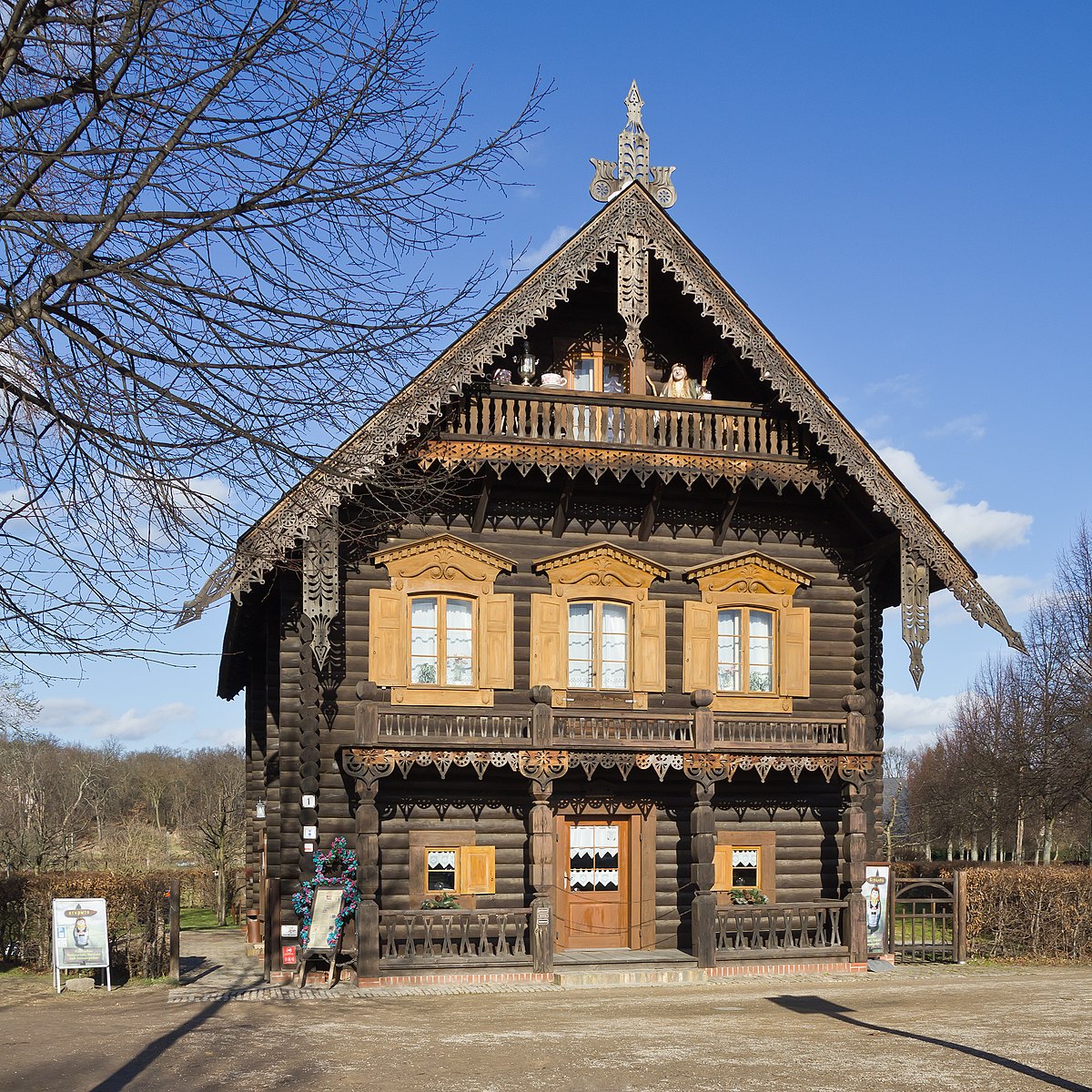
Located in the picturesque city of Potsdam, Germany, Alexandrowka is an intriguing architectural ensemble that reflects a unique blend of Russian and …

Alte Burg Penzlin
📍 Brandenburg, Germany
Alte Burg Penzlin, a captivating castle located in the quaint town of Penzlin, Germany, serves as a remarkable example of medieval architecture and …

Alte Dorfkirche Röxe
📍 Brandenburg, Germany
The Alte Dorfkirche Röxe stands as a poignant symbol of architectural and cultural history in the Stendal region of Germany. This church building, …
More Gardens
Apels Garten
📍 Saxony, Germany
Apels Garten, a verdant haven located in Leipzig, Germany, invites visitors to immerse themselves in a tranquil escape from the urban landscape. This …

Asiatischer Garten (Münzesheim)
📍 Baden-Württemberg, Germany
The Asiatischer Garten in Münzesheim, located in the picturesque region of Kraichtal, Germany, is a unique botanical experience that celebrates the …
Bauerngarten
📍 Schleswig-Holstein, Germany
Bauerngarten, a charming peasant garden and cultural monument located in Postfeld, Schleswig-Holstein, Germany, represents an enduring connection to …

Comenius-Garten
📍 Berlin, Germany
Comenius-Garten, located in the vibrant city of Berlin, Germany, is an oasis of tranquility amidst the bustling urban environment. This garden is a …
Ehemaliger Garten in Lauf an der Pegnitz
📍 Bavaria, Germany
The Ehemaliger Garten in Lauf an der Pegnitz engages visitors with its serene atmosphere and historical significance, encapsulating the cultural …
Federsgarten
📍 Bavaria, Germany
Federsgarten, located in the picturesque town of Coburg, Bavaria, is a remarkable cultural heritage monument that invites visitors to explore its lush …