
Jugendstilforum
Overview
Situated in the charming town of Bad Nauheim, Germany, the Jugendstilforum presents a unique opportunity to explore the artistic movement known as Jugendstil, or Art Nouveau, which flourished in the late 19th and early 20th centuries. This art museum not only showcases a diverse collection of works that embody the ethos of Jugendstil but also serves as a cultural hub for the community and visitors alike. Bad Nauheim, located in the Hesse region, is known for its historic spa facilities and beautiful parks, making it an ideal setting for an institution dedicated to the arts.
The museum is housed in a building that reflects the very essence of Jugendstil architecture, characterized by its organic forms and intricate decorative elements. The significance of the Jugendstilforum extends beyond its exhibitions, as it plays a critical role in preserving and promoting the heritage of this influential art movement. By visiting, one can expect to gain insights into the artistic trends of the era and appreciate the craftsmanship that characterizes this unique style.
With a commitment to engaging the public through exhibitions, lectures, and workshops, the Jugendstilforum invites art enthusiasts and curious travelers alike to discover the beauty and innovation of Jugendstil.
History and Significance
The Jugendstil movement emerged in Germany as part of a broader European trend that sought to break away from traditional artistic forms and embrace modernity. Originating in the late 19th century, this style is characterized by its emphasis on decorative arts, fluid lines, and natural motifs. The movement aimed to unify art and everyday life, reflecting the growing belief that art should be accessible and integrated into the daily experiences of individuals.
While the specific founding details of the Jugendstilforum are not readily available, its establishment in Bad Nauheim aligns with the town’s historical context as a spa destination. The region attracted artists and intellectuals who were drawn to its healing waters and serene environment. The museum thus serves as a custodian of the region’s artistic heritage, showcasing works from the Jugendstil era that highlight the innovation and creativity of the period.
The significance of the museum extends beyond its collections; it is a venue for cultural exchange and education. The Jugendstilforum organizes exhibitions that not only feature historical artifacts but also contemporary interpretations of Jugendstil, allowing for a dialogue between past and present. This mission fosters a deeper appreciation for the influence of the movement on modern art and design.
Architecture and Features
The architectural design of the Jugendstilforum is a reflection of the very movement it celebrates. The building itself exhibits the characteristic features of Jugendstil, including intricate decorative details and an emphasis on organic forms. Visitors are welcomed into a space that evokes the elegance and artistry of the early 20th century, with flowing lines and ornate embellishments that define the style.
Inside, the museum is thoughtfully curated to highlight various aspects of the Jugendstil movement. The exhibition spaces are designed to accommodate a range of artworks, from paintings to furniture and decorative objects. Each piece is presented in a way that encourages contemplation and appreciation of the craftsmanship involved. The museum often hosts rotating exhibitions that provide fresh perspectives on the movement and its relevance today.
Notable features of the museum include its commitment to education and engagement. The Jugendstilforum offers workshops and lectures designed to deepen visitors’ understanding of the artistic and cultural context surrounding the Jugendstil movement. This interactive approach enhances the visitor experience, making it not just a museum visit but an opportunity for learning and exploration.
Visiting Information
Reaching the Jugendstilforum is straightforward, with various transport options available. The museum is conveniently located in Bad Nauheim, which is accessible by train and bus from major cities in the region. Once in Bad Nauheim, visitors can enjoy a leisurely stroll to the museum, taking in the charming streets and historic architecture along the way.
Check the official website for current information on hours of operation and ticket prices to ensure a smooth visit. The museum typically allows ample time for exploration, and visitors may find that a couple of hours suffices to enjoy the exhibitions fully. However, for those particularly interested in the details of the artworks or wishing to participate in workshops, a longer visit may be beneficial.
The best times to visit the Jugendstilforum are during weekdays when crowds are smaller, allowing for a more intimate experience with the art. Additionally, consider visiting during special exhibition openings or events, which can enhance your experience with unique programming and insights from curators.
Nearby Attractions
While visiting the Jugendstilforum, take the opportunity to explore other attractions in Bad Nauheim and its surroundings. Here are a few places to consider:
Kurpark Bad Nauheim: A beautifully landscaped park that showcases the town’s spa culture, ideal for leisurely walks and relaxation.
Sprudelhof: This historical spa complex features stunning architecture and thermal baths, offering a glimpse into the town’s wellness heritage.
Bad Nauheim’s Historic Town Center: Stroll through the quaint streets filled with shops and cafes, where you can experience local culture and cuisine.
The Elvis Presley Memorial: Commemorating the King of Rock ’n’ Roll’s connection to Bad Nauheim, this site is a must-visit for music enthusiasts.
Burgfestspiele: If visiting during the summer months, check out this local theater festival that features performances in the nearby castle.
Insider Tips
When visiting the Jugendstilforum, consider bringing a camera to capture the exquisite details of the architecture and artworks. However, be mindful of the museum’s photography policies, which can vary.
To avoid crowds, plan your visit during the weekdays or early in the morning. This allows for a more personal experience and the chance to engage more deeply with the exhibits without the distraction of larger groups.
Practical Information
When visiting the Jugendstilforum, it’s advisable to wear comfortable shoes, especially if you plan to explore nearby attractions. The museum may have specific seasonal considerations, so check the weather before your visit.
Bringing a water bottle is also a good idea, as it will keep you hydrated during your exploration. Additionally, be prepared for potential changes in the museum’s schedule or programming, and always check their official website for the latest information.
Frequently Asked Questions
How long should I spend visiting?
A visit typically takes 1-2 hours, depending on your interest in the exhibits and any events or workshops taking place.
Is photography allowed?
Photography policies can vary, so it’s best to check with museum staff upon arrival.
Are there guided tours?
Check the official website for information on guided tours, which may be available during certain times.
What’s the best time to visit?
Weekdays are recommended for fewer crowds, and special events can offer unique experiences.
Is it wheelchair accessible?
The museum strives to be accessible, but check the official website for specific details regarding accessibility features.
Can I buy tickets online?
Check the official website for the latest information on ticket purchasing options.
Are there restrooms and cafes?
Facilities such as restrooms are typically available; check the official website for details on onsite cafes or dining options.
What should I wear?
Comfortable clothing and shoes are recommended, especially if you plan to explore the surrounding area after your visit.
Visit Information
Quick Facts
- Heritage Type
- Art Museum
- Region
- Hesse
- Wikidata ID
- Q124637282
More in Hesse

Abri IX
📍 Hesse, Germany
Abri IX is an archaeological site located in Gleichen, Germany, that captures the essence of human history through its fascinating remnants. This site …

Ackerbürgermuseum Haus Leck
📍 Hesse, Germany
Ackerbürgermuseum Haus Leck is a culturally significant museum located in Germany’s Grebenstein region, dedicated to preserving and showcasing the …

Actien-Brauerei Homburg v. d. Höhe
📍 Hesse, Germany
Actien-Brauerei Homburg v. d. Höhe is a significant historical brewery located in Bad Homburg vor der Höhe, Germany. This former brewery is a …

Active Museum Spiegelgasse
📍 Hesse, Germany
Active Museum Spiegelgasse is a vital institution dedicated to preserving and exploring the German-Jewish history of Wiesbaden, Germany. Located in …

Adornodenkmal
📍 Hesse, Germany
Adornodenkmal, a prominent monument located in Frankfurt am Main, Germany, serves as a significant cultural landmark that encapsulates the spirit of …
Affentor
📍 Hesse, Germany
Affentor, the southernmost of the medieval city gates of Frankfurt am Main, serves as a historical marker of the city’s rich past and architectural …
More Art Museums

Aachen Cathedral Treasury
📍 North Rhine-Westphalia, Germany
Aachen Cathedral Treasury, located in the historic city of Aachen, Germany, is a remarkable art museum that houses an impressive collection of …

Abteiberg Museum
📍 North Rhine-Westphalia, Germany
In the heart of Mönchengladbach, Germany, the Abteiberg Museum stands out as a prominent destination for art enthusiasts and cultural explorers alike. …

Akademisches Kunstmuseum
📍 North Rhine-Westphalia, Germany
In the heart of Bonn, Germany, lies the Akademisches Kunstmuseum, an art museum that invites visitors to explore a diverse collection of artworks …

Albertinum
📍 Saxony, Germany
Albertinum is a prominent art museum located in the heart of Dresden, Germany, serving as a significant cultural institution in the region. …

Albrecht Dürer's House
📍 Bavaria, Germany
Albrecht Dürer’s House stands as a significant cultural landmark in Nuremberg, Germany, celebrating the life and work of one of the Renaissance’s most …
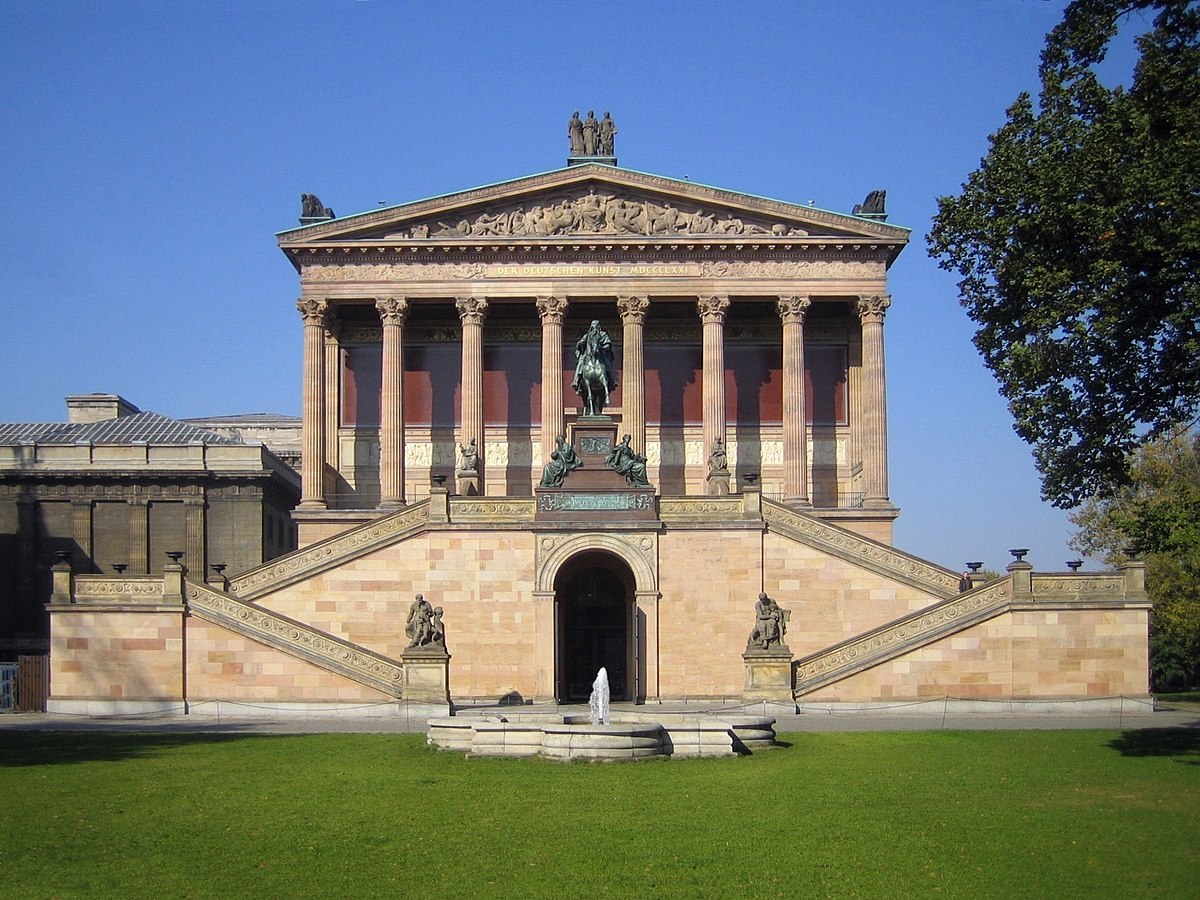
Alte Nationalgalerie
📍 Berlin, Germany
The Alte Nationalgalerie, an esteemed art museum located in Berlin’s Bezirk Mitte, is a cornerstone of cultural appreciation in Germany. This museum …