
Jewish Museum Berlin
Overview
The Jewish Museum Berlin is a remarkable architectural ensemble that serves as a profound tribute to the history, culture, and contributions of Jewish life in Germany. Located in the Friedrichshain-Kreuzberg district of Berlin, this museum is not only an educational resource but also an artistic landmark, drawing visitors from around the world who seek to understand the complexities of Jewish heritage. Its striking architecture, which includes a blend of historical and contemporary design elements, emphasizes the narrative of Jewish experiences in Germany throughout the ages.
As you approach the museum, you might be struck by the unique exterior, which invites curiosity and contemplation. Inside, a thoughtfully curated collection and a series of exhibitions reflect the multifaceted nature of Jewish identity, making it a significant site for reflection on the past, present, and future of Jewish communities. This guide will lead you through the museum’s history, architectural features, and practical visiting information, ensuring a meaningful experience when you explore this important cultural institution.
History and Significance
The Jewish Museum Berlin stands as a significant cultural institution that explores the rich and often tumultuous history of Jews in Germany. The museum’s origins can be traced back to the late 20th century when the need to document and preserve Jewish history became increasingly urgent in the wake of World War II and the Holocaust. The museum aims to educate visitors about the contributions of Jewish people to German society while also acknowledging the profound challenges and tragedies they have faced.
The museum’s mission extends beyond mere preservation; it actively engages with contemporary issues related to identity, memory, and cultural diversity. Through its exhibitions and programs, it fosters dialogue on topics that resonate within both Jewish and broader societal contexts. The museum frequently hosts events, lectures, and workshops that encourage community engagement and education, further solidifying its role as a vital resource for understanding Jewish history.
In addition to its exhibitions, the museum serves as a memorial to the victims of the Holocaust, providing a space for reflection and remembrance. By addressing the complexities of Jewish life in Germany, the Jewish Museum Berlin not only preserves the past but also challenges visitors to confront historical narratives and their implications in today’s world.
Architecture and Features
The architectural design of the Jewish Museum Berlin is as compelling as its historical narrative. The museum was conceived by renowned architect Daniel Libeskind, who is known for his innovative and thought-provoking style. The building itself is an architectural ensemble that combines the historic former Berlin Museum with a striking new structure, characterized by its unconventional shapes and angles. This design reflects the fragmented history of Jewish life in Germany, symbolizing both loss and resilience.
Upon entering the museum, visitors are greeted by a labyrinthine layout that guides them through various thematic zones, each representing different aspects of Jewish history and culture. The interior spaces are designed to evoke emotion and contemplation, with light and shadow playing significant roles in the visitor experience. Key features include the Garden of Exile, which symbolizes the feeling of displacement, and the Void, a stark, empty space that serves as a reminder of the absence left by the Holocaust.
The museum also houses an extensive collection of artifacts, documents, and multimedia installations that further explore Jewish life in Germany. These exhibits are carefully curated to provide context and depth, offering visitors a comprehensive understanding of the historical and cultural significance of the Jewish community in Germany.
Visiting Information
Visiting the Jewish Museum Berlin offers an opportunity to engage with a profound narrative of history and culture. The museum is accessible via various transport options, making it easy to reach from different parts of Berlin. Check the official website for current information regarding hours and ticket prices to plan your visit effectively.
Once inside, expect to spend several hours exploring the various exhibitions, as the museum offers a wealth of information and engaging displays. The layout encourages a leisurely pace, allowing visitors to absorb the stories and artifacts presented.
While the museum is open year-round, the best times to visit are typically during weekdays when crowds are smaller, providing a more intimate experience. Special exhibitions and events may also influence the best times to visit, so checking the official website for updates is recommended.
Nearby Attractions
After visiting the Jewish Museum Berlin, consider exploring the surrounding area, which is rich in historical and cultural significance. Nearby attractions include:
Berlinische Galerie: This modern art museum features contemporary art, photography, and architecture, showcasing the vibrant art scene of Berlin.
Topography of Terror: Located on the former site of the Gestapo and SS headquarters, this documentation center provides insight into the terror apparatus of the Nazi regime.
Checkpoint Charlie: Once a key border crossing during the Cold War, this site now serves as a historical landmark, offering insights into Berlin’s division.
Potsdamer Platz: A bustling square known for its modern architecture and entertainment options, perfect for a post-museum stroll or meal.
The Berlin Wall Memorial: A short distance away, this memorial offers a poignant look at the history of the Berlin Wall and its impact on the city.
Insider Tips
To make the most of your visit to the Jewish Museum Berlin, consider the following insider tips:
Photography: While photography is generally allowed in most areas, it is advisable to check for specific restrictions, especially in certain exhibitions.
Crowd Avoidance: To avoid larger crowds, aim to visit early in the morning or later in the afternoon during weekdays.
Engage with Staff: Don’t hesitate to ask museum staff for recommendations or insights; they can provide valuable context to the exhibitions and enhance your understanding.
Practical Information
When planning your visit to the Jewish Museum Berlin, it’s helpful to keep a few practical considerations in mind:
What to Bring: Comfortable shoes are recommended, as you will likely be walking and standing for extended periods. A small bag for personal items is also advisable.
Seasonal Considerations: Depending on the time of year, dress appropriately, as the weather in Berlin can vary significantly.
Accessibility: The museum is designed to be accessible, but it’s wise to check specific pathways and services if you have mobility concerns.
Frequently Asked Questions
How long should I spend visiting?
Visitors typically spend around two to three hours exploring the museum, allowing ample time to appreciate the exhibitions and installations.
Is photography allowed?
Photography is permitted in most areas of the museum, but be sure to check for any specific restrictions within certain exhibitions.
Are there guided tours?
Yes, the museum offers guided tours that provide in-depth insights into the exhibitions and the history of Jewish culture in Germany. Check the official website for details.
What’s the best time to visit?
Weekdays, especially in the morning or late afternoon, are often less crowded, making for a more enjoyable experience.
Is it wheelchair accessible?
Yes, the museum is designed to be accessible for visitors with mobility challenges. Verify specific access routes on the official website if needed.
Can I buy tickets online?
Yes, tickets can typically be purchased online through the museum’s official website, allowing for a smoother entry process.
Are there restrooms and cafes?
The museum is equipped with restrooms, and there are café facilities available, offering a place to relax and refresh during your visit.
What should I wear?
Dress comfortably, as you will be exploring the museum on foot. Consider the weather and plan your attire accordingly, especially during colder months.
A visit to the Jewish Museum Berlin is a profound opportunity to engage with the complexities of Jewish history and culture, making it a vital stop on any cultural itinerary in Germany.
More in Berlin

144., 176. und 184. Gemeindeschule
📍 Berlin, Germany
The 144., 176. und 184. Gemeindeschule, an architectural ensemble located in the vibrant city of Berlin, stands as a noteworthy example of educational …

Academy of Arts (Hanseatenweg)
📍 Berlin, Germany
The Academy of Arts (Hanseatenweg) stands as an emblem of Berlin’s vibrant cultural landscape, located in the historic Hansaviertel district. Renowned …

Academy of Arts, Berlin
📍 Berlin, Germany
The Academy of Arts in Berlin is not just a museum; it is a prominent national institution dedicated to the advancement of the arts in Germany. …

Academy of the Konrad-Adenauer-Stiftung
📍 Berlin, Germany
The Academy of the Konrad-Adenauer-Stiftung, located in the heart of Berlin, is not just a foundation but a hub of intellectual discourse and …

ACUD
📍 Berlin, Germany
Located in the heart of Berlin’s Bezirk Mitte, ACUD serves as a vibrant cultural center and cinema, showcasing an array of films and events that …

Admiralspalast
📍 Berlin, Germany
Admiralspalast is a prominent theatre and event venue located in the heart of Berlin, Germany. This architectural gem serves as a cultural hub, …
More Architectural Ensembles
144., 176. und 184. Gemeindeschule
📍 Berlin, Germany
The 144., 176. und 184. Gemeindeschule, an architectural ensemble located in the vibrant city of Berlin, stands as a noteworthy example of educational …

Adelheidstraße 3–7, 9–12, 12a, 14, 15, 22–31, Amelungstraße 1, Friedrich-Ebert-Platz
📍 Lower Saxony, Germany
In the heart of Quedlinburg, Germany, lies a captivating architectural ensemble that reflects the town’s historical significance and cultural …

Aegidiimarkt
📍 Lower Saxony, Germany
Aegidiimarkt is a captivating architectural ensemble located in the heart of Münster, Germany. This vibrant square not only serves as a hub for local …
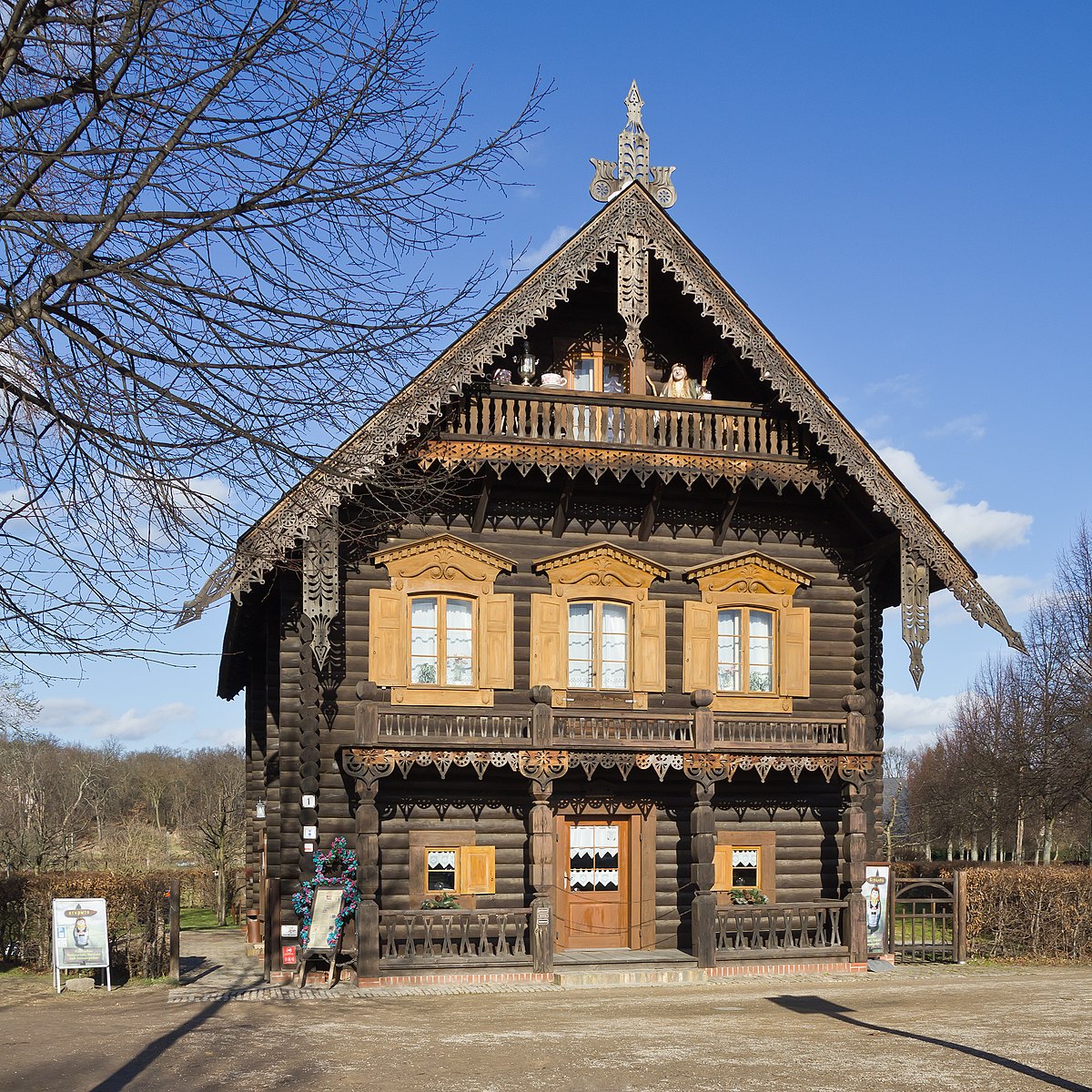
Alexandrowka
📍 Brandenburg, Germany
Located in the picturesque city of Potsdam, Germany, Alexandrowka is an intriguing architectural ensemble that reflects a unique blend of Russian and …

Alhauser Hammer
📍 North Rhine-Westphalia, Germany
Alhauser Hammer is a remarkable architectural ensemble located in Ennepetal, Germany, known for its historical significance as a water-driven hammer …

Alsdorfer Ölmühle
📍 North Rhine-Westphalia, Germany
The Alsdorfer Ölmühle, an architectural ensemble located in the heart of Alsdorf, Germany, is a remarkable example of a traditional watermill that …