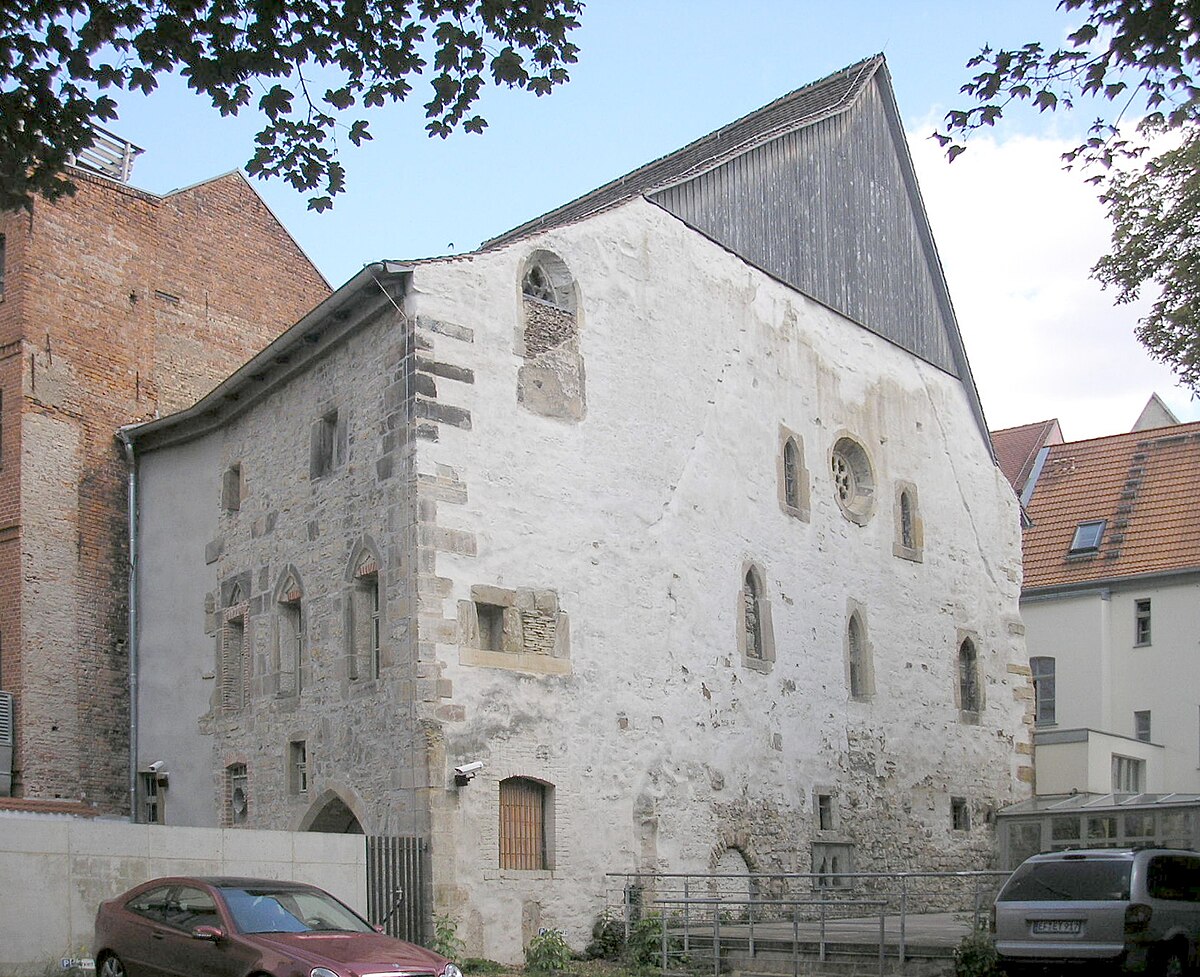
Jewish-Medieval Heritage of Erfurt
Overview
The Jewish-Medieval Heritage of Erfurt showcases a remarkable collection of medieval Jewish buildings in Germany’s Thuringia region. This architectural ensemble is not merely a series of structures; it represents the vibrant Jewish community that thrived in Erfurt during the medieval period. With its historical significance and rich cultural heritage, the site invites visitors to explore the remnants of a time when Erfurt was a center of Jewish life and learning.
Situated in the heart of Germany, Erfurt is easily accessible, making it an appealing destination for those interested in Jewish history and medieval architecture. The site not only provides a glimpse into the architectural styles of the time but also reflects the broader socio-cultural dynamics of medieval Europe, where Jewish communities played a vital role in urban life.
Visitors to the Jewish-Medieval Heritage of Erfurt can expect an enlightening experience that highlights the resilience and contributions of Jewish culture. As you walk through the remnants of these historical edifices, you will gain insight into the community that once flourished here, as well as the challenges they faced throughout history.
History and Significance
The Jewish community in Erfurt dates back to the Middle Ages, flourishing from the 11th century onward. During this time, Erfurt became a significant hub for Jewish scholarship, commerce, and community life. The presence of Jewish merchants and scholars contributed to the city’s economic and cultural landscape, making it a crucial point of interaction between Jewish and Christian populations.
The community’s significance is further emphasized by the construction of several important buildings, which stand as a reminder of their historical presence. One of the standout features is the Old Synagogue, which dates back to the early 13th century. This structure not only served as a place of worship but also housed a community center, highlighting its role in the social fabric of medieval Erfurt.
The Jewish-Medieval Heritage of Erfurt is particularly notable for the preservation of Jewish artifacts and architectural elements that have survived through centuries of tumultuous history. The community faced various challenges, including periods of persecution and expulsion, yet their legacy endures in the architecture and artifacts that remain today. The site offers an opportunity to reflect on this resilience and the contributions of Jewish culture to the broader narrative of European history.
In recent years, efforts have been made to preserve and promote this heritage, ensuring that future generations can learn about the Jewish community’s rich history. The site serves not only as a historical landmark but also as a place of education, fostering a deeper understanding of the complexities of Jewish life in medieval Germany.
Architecture and Features
The Jewish-Medieval Heritage of Erfurt is characterized by its distinctive architectural style, which reflects the medieval period’s artistic trends and the specific needs of the Jewish community. The Old Synagogue, a pivotal component of this ensemble, exemplifies the Gothic architectural style that was prevalent during its construction. Its design features elegant arches, intricate stonework, and a spacious interior that once accommodated worshippers and community gatherings.
Another significant feature of this heritage site is the adjacent Jewish Courtyard, which contains remnants of several medieval buildings, including homes and communal structures. These buildings provide insight into the daily lives of the Jewish residents, showcasing their architectural choices and urban planning strategies. The layout of the courtyard reflects a sense of community, with spaces designed for both private and communal activities.
Additionally, the site houses artifacts from the medieval period, including inscriptions and ceremonial objects that further illuminate the cultural and religious practices of the Jewish community. These items are crucial for understanding the historical context and significance of the Jewish presence in Erfurt.
The architectural ensemble serves as a poignant reminder of a vibrant community that once thrived in the area, with structures that tell the story of resilience, faith, and cultural identity. As visitors explore these buildings, they can appreciate the craftsmanship and historical context that define the Jewish-Medieval Heritage of Erfurt.
Visiting Information
Reaching the Jewish-Medieval Heritage of Erfurt is convenient, as the site is located in the city center and is accessible by various means of transport. Visitors can arrive by car, public transportation, or on foot, making it easy to incorporate into a broader itinerary exploring Erfurt.
When planning your visit, it is advisable to check the official website for current information regarding opening hours and admission prices, as these may vary seasonally or due to special events. Typically, visitors can expect to spend approximately two to three hours at the site, allowing ample time for exploration and reflection.
The best times to visit the Jewish-Medieval Heritage of Erfurt are during the spring and autumn months when the weather is generally mild and conducive to walking. Additionally, weekdays may be less crowded than weekends, providing a more intimate experience.
As you explore, be prepared for a variety of experiences including guided tours, informational displays, and opportunities for reflection in the tranquil surroundings. The site offers a unique perspective on medieval Jewish life and the enduring legacy of this important community.
Nearby Attractions
While visiting the Jewish-Medieval Heritage of Erfurt, there are several nearby attractions worth exploring:
Erfurt Cathedral: This impressive structure is a prime example of Gothic architecture and dominates the city’s skyline. The cathedral features stunning stained glass windows and an intricate interior that reflects its historical significance.
Augustinerkloster (Augustinian Monastery): This well-preserved monastery offers insight into medieval monastic life and is closely associated with Martin Luther, who spent time here. The site includes a museum showcasing the history of the monastery.
Krämerbrücke (Merchant’s Bridge): A picturesque medieval bridge lined with shops and cafes, the Krämerbrücke is an iconic landmark in Erfurt. Visitors can enjoy a leisurely stroll while taking in the charming architecture and vibrant atmosphere.
Gera River: The river provides scenic walking paths and opportunities for relaxation amidst nature. Exploring the riverbanks can offer a refreshing break from the historical sites.
Erfurt’s Old Town: A stroll through the historic Old Town allows visitors to appreciate the beautifully preserved medieval buildings, quaint streets, and lively squares that reflect the city’s long history.
Insider Tips
When visiting the Jewish-Medieval Heritage of Erfurt, consider these insider tips to enhance your experience:
Photography: While photography is generally allowed, be respectful of the space and any guidelines provided during your visit. Capturing the intricate details of the architecture can be rewarding.
Crowd Avoidance: To avoid crowds, plan your visit during weekdays, particularly in the morning or late afternoon. This timing can provide a more peaceful atmosphere for exploration.
Guided Tours: If possible, consider joining a guided tour to gain deeper insights into the history and significance of the site. Knowledgeable guides can offer valuable context and answer questions.
Practical Information
When preparing for your visit to the Jewish-Medieval Heritage of Erfurt, keep the following practical tips in mind:
What to Bring: Comfortable walking shoes are recommended, as you will likely be exploring various buildings and outdoor areas. A camera or smartphone for capturing memories is also advisable.
Seasonal Considerations: Be mindful of the weather during your visit. In cooler months, dressing in layers can help you stay comfortable, while in warmer months, sunscreen and water are essential.
Accessibility: Check the official website for information on accessibility options for those with mobility challenges.
Frequently Asked Questions
How long should I spend visiting?
Most visitors spend about two to three hours exploring the Jewish-Medieval Heritage of Erfurt, allowing ample time to appreciate the architecture and history.
Is photography allowed?
Photography is generally permitted, but it’s advisable to respect any restrictions or guidelines provided during your visit.
Are there guided tours?
Guided tours are often available, offering valuable insights into the history and significance of the site. Check the official website for details.
What’s the best time to visit?
Spring and autumn are ideal times to visit, as the weather is usually mild. Weekdays typically offer fewer crowds than weekends.
Is it wheelchair accessible?
Check the official website for specific information on accessibility options for visitors with mobility challenges.
Can I buy tickets online?
Ticket purchasing options may vary; check the official website for current information on online ticket availability.
Are there restrooms and cafes?
Facilities such as restrooms and nearby cafes may be available; check the official website for specifics on amenities.
What should I wear?
Dress comfortably and appropriately for the weather, with comfortable walking shoes recommended for exploring the site.
Visit Information
Quick Facts
- Heritage Type
- Architectural Ensemble
- Region
- Saxony-Anhalt
- Wikidata ID
- Q122745617
More in Saxony-Anhalt

Ägidienkurie (Naumburg)
📍 Saxony-Anhalt, Germany
The Ägidienkurie, a quaint chapel located in the heart of Naumburg, Germany, offers visitors a glimpse into the rich ecclesiastical heritage of the …
Al-Kholafa´a Moschee
📍 Saxony-Anhalt, Germany
The Al-Kholafa´a Moschee, located in Weimar, Germany, is a significant religious site that embodies the cultural diversity of this historic city. As a …

Alte Oper
📍 Saxony-Anhalt, Germany
The Alte Oper, a distinguished theatre building in Erfurt, Germany, serves as a vibrant hub for cultural events and artistic performances. This …

Altes Schloss Dornburg
📍 Saxony-Anhalt, Germany
Altes Schloss Dornburg, a magnificent palace located in the charming region of Dornburg-Camburg, Germany, is a site that draws visitors with its …

Anatomieturm Jena
📍 Saxony-Anhalt, Germany
The Anatomieturm Jena, a historic tower located in the city of Jena, Germany, is an intriguing remnant of the region’s architectural heritage. This …

Andreaskirche (Erfurt)
📍 Saxony-Anhalt, Germany
The Andreaskirche, an emblematic church building located in the heart of Erfurt, Germany, stands as a significant architectural and cultural landmark. …
More Architectural Ensembles

144., 176. und 184. Gemeindeschule
📍 Berlin, Germany
The 144., 176. und 184. Gemeindeschule, an architectural ensemble located in the vibrant city of Berlin, stands as a noteworthy example of educational …

Adelheidstraße 3–7, 9–12, 12a, 14, 15, 22–31, Amelungstraße 1, Friedrich-Ebert-Platz
📍 Lower Saxony, Germany
In the heart of Quedlinburg, Germany, lies a captivating architectural ensemble that reflects the town’s historical significance and cultural …

Aegidiimarkt
📍 Lower Saxony, Germany
Aegidiimarkt is a captivating architectural ensemble located in the heart of Münster, Germany. This vibrant square not only serves as a hub for local …
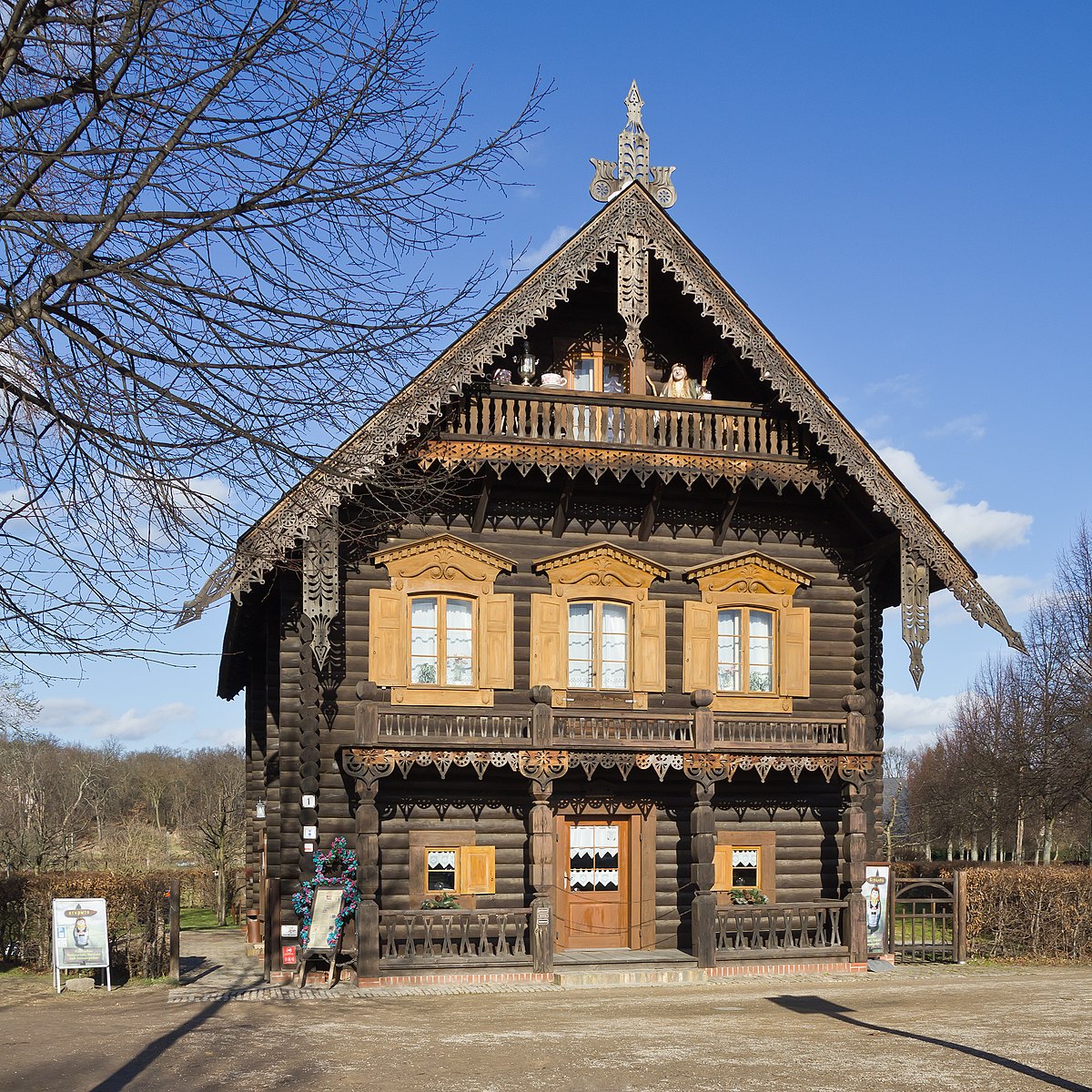
Alexandrowka
📍 Brandenburg, Germany
Located in the picturesque city of Potsdam, Germany, Alexandrowka is an intriguing architectural ensemble that reflects a unique blend of Russian and …

Alhauser Hammer
📍 North Rhine-Westphalia, Germany
Alhauser Hammer is a remarkable architectural ensemble located in Ennepetal, Germany, known for its historical significance as a water-driven hammer …

Alsdorfer Ölmühle
📍 North Rhine-Westphalia, Germany
The Alsdorfer Ölmühle, an architectural ensemble located in the heart of Alsdorf, Germany, is a remarkable example of a traditional watermill that …