Overview
Jerichow Monastery, located in the picturesque region of Saxony-Anhalt, Germany, is a remarkable example of medieval religious architecture. As a former Premonstratensian monastery, it serves as a significant symbol of monastic life and Christian heritage in the area. Established in the 12th century, the monastery stands out not only for its historical importance but also for its architectural beauty, making it an essential destination for history enthusiasts and spiritual seekers alike.
Visitors to Jerichow Monastery will find themselves immersed in a serene atmosphere, surrounded by the remnants of a bygone era. The monastery’s tranquil setting offers a perfect backdrop for contemplation and exploration. As one of the few remaining Premonstratensian monasteries, Jerichow is a fascinating site that captures the essence of monastic life, complete with its storied past and spiritual significance.
History and Significance
Jerichow Monastery is a significant religious site that reflects the monastic traditions of the Premonstratensians, an order founded in the early 12th century. The monastery was established as a place of worship and community, serving not only as a spiritual center but also as a hub for agricultural and educational activities. The Premonstratensians were known for their commitment to a life of prayer, communal living, and service, and Jerichow played an integral role in promoting these values in the region.
The monastery’s historical context is deeply intertwined with the broader narrative of Christianity in Germany. During the medieval period, monastic institutions like Jerichow were pivotal in the spread of Christianity, providing shelter and education while fostering a sense of community among the faithful. The monks contributed to the cultural and economic development of the region, influencing agricultural practices and education.
Over the centuries, Jerichow Monastery has witnessed numerous changes, including periods of decline and restoration. Despite these challenges, the site has maintained its religious significance and continues to be a place of pilgrimage and reflection. While specific dates and events in its history may vary, the essence of Jerichow as a center of faith and community remains evident.
Architecture and Features
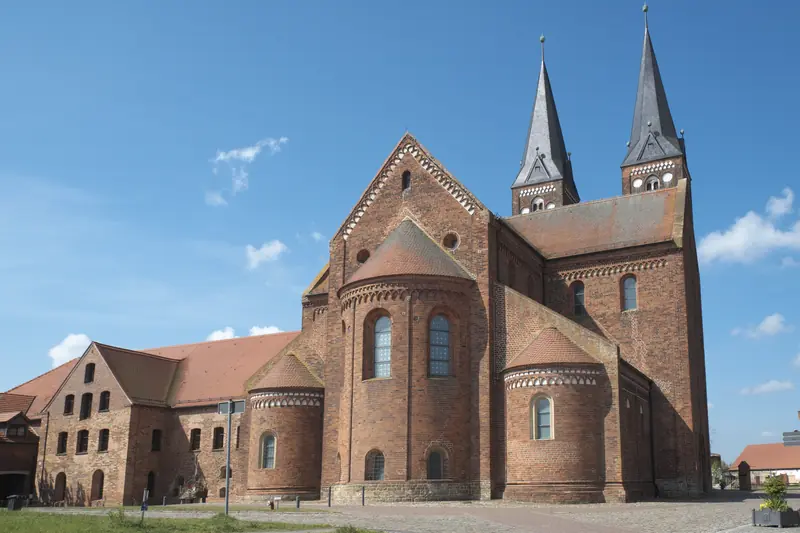
The architecture of Jerichow Monastery is a captivating blend of Romanesque and Gothic styles, showcasing the craftsmanship of its era. The structure is notable for its distinctive features, including a striking stone façade and intricate detailing that speak to the artistic sensibilities of the time. The layout of the monastery reflects traditional monastic design, with a central church flanked by cloisters and living quarters for the monks.
One of the most remarkable aspects of the monastery is its church, which features a beautifully crafted altar and impressive arches that draw the eye upwards, creating an uplifting atmosphere. The use of local materials in construction not only highlights the monastery’s connection to the surrounding landscape but also emphasizes the resourcefulness of its builders.
Visitors will appreciate the serene cloisters, which provide a peaceful space for reflection and meditation. The tranquil gardens surrounding the monastery enhance the overall ambiance, inviting guests to enjoy the beauty of nature as they explore the site.
Visiting Information
Reaching Jerichow Monastery is relatively straightforward, with various transport options available. Visitors traveling by car will find parking facilities nearby, while those relying on public transport can check local schedules for bus routes that connect to the town of Jerichow.
Upon arrival, guests can expect to find a welcoming environment that encourages exploration. The monastery’s layout is conducive to leisurely wandering, allowing visitors to absorb the history and architecture at their own pace. It is advisable to allocate sufficient time to fully appreciate the beauty and significance of the site.
For the most current information regarding opening hours and admission prices, check the official website. Generally, the monastery is open to visitors throughout the year, although certain times may be busier than others, particularly during weekends and holidays.
The best times to visit are during the spring and early autumn when the weather is pleasant, and the surrounding gardens are in bloom. Early mornings or late afternoons tend to be quieter, allowing for a more contemplative experience.
Nearby Attractions
While visiting Jerichow Monastery, consider exploring the surrounding area, which offers additional points of interest:
St. Stephen’s Church: Located in the nearby town, this church exhibits beautiful architecture and is a wonderful complement to the monastery visit.
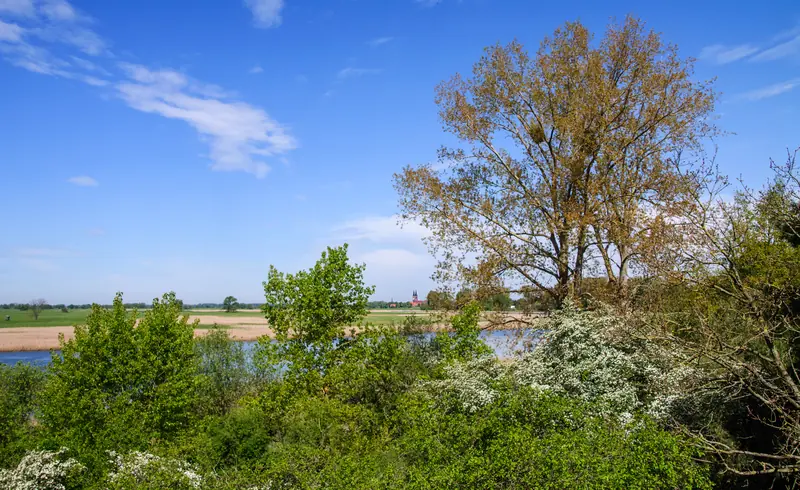
Elbe River: A short distance away, the Elbe River provides opportunities for scenic walks and picnics amidst beautiful landscapes.
Magdeburg: Approximately 30 kilometers away, this city features a blend of historical and modern attractions, including the Magdeburg Cathedral and the Green Citadel.
Burg Ziesar: This medieval castle, located not far from Jerichow, offers insights into the region’s feudal history and stunning views of the surrounding countryside.
Biosphere Reserve Middle Elbe: For nature enthusiasts, this reserve is a must-visit, showcasing the diverse ecosystems along the Elbe River.
Insider Tips
For photography enthusiasts, Jerichow Monastery provides a wealth of opportunities to capture stunning images. The interplay of light and shadow in the cloisters and the intricate details of the church’s architecture can create compelling photographs. Early mornings or late afternoons are ideal for softer lighting.
To avoid crowds, consider visiting during weekdays or early in the day when the site opens. This will allow for a more peaceful experience as you explore the monastery and its surroundings.
Practical Information
When planning your visit to Jerichow Monastery, consider bringing comfortable walking shoes, as the site encourages exploration. A camera is a must for those wishing to document the beautiful architecture and serene surroundings.
Seasonal considerations are important; spring and early autumn typically offer the best weather for outdoor exploration. Be sure to check for any special events or seasonal activities that may be taking place during your visit.
Frequently Asked Questions
How long should I spend visiting?
A visit to Jerichow Monastery typically takes about 1.5 to 2 hours, allowing enough time to explore the site and appreciate its significance.
Is photography allowed?
Yes, photography is generally permitted, but it’s courteous to be mindful of other visitors and any signage regarding restrictions.
Are there guided tours?
Check the official website for information on guided tours, which may enhance your understanding of the site’s history and architecture.
What’s the best time to visit?
Early mornings or late afternoons during spring or early autumn are ideal for a quieter experience, but check for specific events that may attract larger crowds.
Is it wheelchair accessible?
Accessibility information may vary; it’s best to consult the official website for the most current details regarding wheelchair access.
Can I buy tickets online?
Check the official website for the possibility of online ticket purchases and current admission prices.
Are there restrooms and cafes?
Facilities may be available on site; check the official website for the latest information.
What should I wear?
Dress comfortably and consider wearing layers, as temperatures can vary throughout the day. Comfortable shoes are recommended for walking.
Jerichow Monastery invites all who visit to engage with its rich history and serene beauty, creating a memorable experience that resonates long after leaving its grounds.
Photo Gallery