Overview
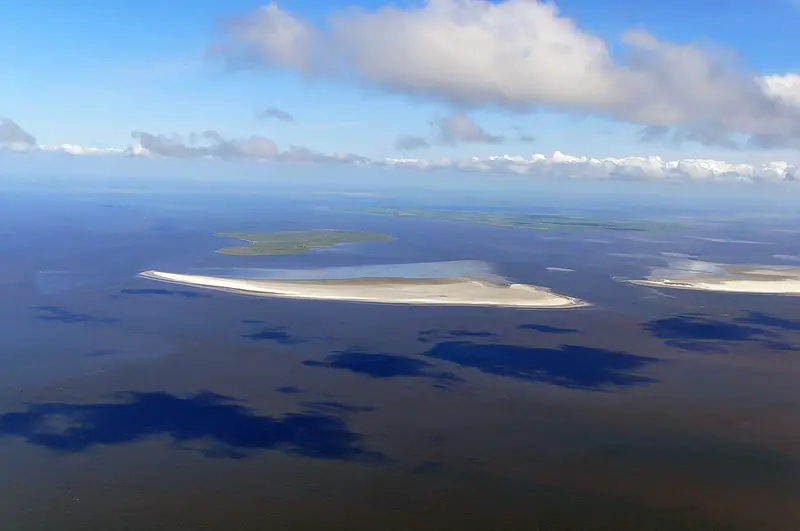
Japsand is a striking sand bar located in the North Sea, part of Germany’s fascinating coastal landscape. This natural island emerges from the waters, offering a unique glimpse into the dynamic interplay between land and sea. With its unspoiled beauty and tranquil surroundings, Japsand provides an essential habitat for various bird species and other wildlife, making it a significant spot for nature enthusiasts and birdwatchers alike.
The island’s location in the North Sea positions it as a noteworthy destination for those exploring Germany’s coastal regions. Its proximity to the mainland enhances its accessibility, while its natural features invite contemplation and appreciation of the marine environment. Visitors can experience the serene atmosphere of Japsand, where the rhythm of the tides shapes the landscape, creating an ever-changing tableau.
As a natural site, Japsand holds ecological significance, contributing to the biodiversity of the North Sea. This area highlights the importance of preserving such environments, providing insights into coastal ecosystems and the need for sustainable practices. A visit to Japsand promises not only scenic beauty but also a deeper understanding of the delicate balance that sustains its existence.
History and Significance
While Japsand does not have a documented historical narrative, its geographical features indicate a longstanding relationship between humans and the sea. Historically, coastal areas like Japsand have been vital for fishing, navigation, and trade. As a sand bar, Japsand likely played a role in the maritime activities of the region, influencing local economies and lifestyles from ancient times to the present.
The ecological significance of Japsand cannot be overstated. This natural island serves as a crucial habitat for various bird species, especially during migration periods. Birdwatchers may find themselves captivated by the diverse avian life that congregates here, drawn by the abundant food resources provided by the shifting tides. The island’s role as a sanctuary for wildlife underscores the importance of protecting such environments, promoting awareness of the need for conservation efforts.
Japsand also contributes to the greater ecological health of the North Sea, acting as a natural barrier that influences sediment transport and coastal erosion. Its existence exemplifies the dynamic processes that shape coastal landscapes, reminding visitors of the power of nature and the ongoing changes that occur within these fragile ecosystems.
Architecture and Features
As a natural sand bar, Japsand’s primary features are its sandy beaches and shallow waters. The island’s landscape is characterized by its shifting sands, shaped by the ebb and flow of the tides. This creates a unique environment for both flora and fauna, with vegetation that has adapted to the coastal conditions.
The shoreline of Japsand is a blend of fine sand and patches of grass, providing a habitat for various species of birds and marine life. The gentle slopes of the island lead down to the water’s edge, where visitors can observe the interplay of waves and currents. The surrounding waters offer a tranquil setting for quiet reflection or leisurely walks along the beach.
While Japsand does not feature traditional architectural elements, its natural beauty is its greatest draw. The island’s simple yet striking landscape invites exploration, offering visitors an opportunity to connect with the natural world in a serene setting. The absence of man-made structures allows for an unfiltered experience of the coastal environment, emphasizing the importance of preserving such natural sites for future generations.
Visiting Information
Accessing Japsand is relatively straightforward, with various transportation options available for visitors. The island is best reached by boat, and there are services that operate from nearby coastal towns. It is advisable to check the official website for current information regarding schedules and availability.
When planning a visit, consider the time needed to fully appreciate the island. A few hours can suffice for a leisurely exploration, but nature lovers may wish to spend more time observing the wildlife and soaking in the tranquil atmosphere. The best times to visit are during the warmer months when wildlife activity is at its peak, and the weather is suitable for outdoor activities.
Visitors should prepare for varying weather conditions, as the coastal climate can change rapidly. Dressing in layers and bringing appropriate gear for sun or rain will enhance the experience.
Make sure to check the official website for hours and prices before your visit, as these details may vary seasonally or due to weather conditions.
Nearby Attractions
Wangerooge Island - A short boat ride away, Wangerooge offers charming beaches and opportunities for cycling and hiking, making it a popular destination for outdoor enthusiasts.
Spiekeroog Island - Known for its tranquil environment and lack of motor vehicles, Spiekeroog provides a peaceful escape with pristine landscapes and well-marked trails.
East Frisian Islands - This group of islands includes several destinations worth exploring, each with its unique character, offering beaches, landscapes, and activities for visitors.
Borkum Island - Famous for its fresh air and wellness retreats, Borkum features sandy beaches and a variety of leisure activities, appealing to families and nature lovers alike.
The North Sea Coast - The surrounding coastal areas provide opportunities for sailing, fishing, and enjoying local seafood, enhancing the overall experience of visiting Japsand.
Insider Tips
For photography enthusiasts, the golden hours of sunrise and sunset present the best opportunities to capture the natural beauty of Japsand. The soft light enhances the colors of the sand and water, creating stunning images. Additionally, be mindful of the tides, as they can dramatically change the landscape and access to certain areas of the island.
To avoid crowds, consider visiting during weekdays or in the early morning hours. This not only allows for a more peaceful experience but also provides a greater chance to observe wildlife in their natural habitat.
Practical Information
When visiting Japsand, it’s essential to bring essentials such as water, snacks, and sun protection, as facilities on the island may be limited. Comfortable walking shoes are recommended for exploring the sandy terrain, and binoculars can enhance birdwatching experiences.
Seasonal considerations are important, as the North Sea’s weather can vary significantly. Summer months generally offer the most pleasant conditions, while spring and fall can bring unpredictable weather. Be prepared for changing conditions, and check the forecast before your trip.
Frequently Asked Questions
How long should I spend visiting?
A visit of a few hours is typically sufficient to enjoy Japsand, but nature lovers may wish to stay longer to fully appreciate the wildlife and scenery.
Is photography allowed?
Yes, photography is encouraged, especially during the golden hours of sunrise and sunset for the best lighting conditions.
Are there guided tours?
Currently, there are no organized guided tours specifically for Japsand, but local boat services may provide information during transit.
What’s the best time to visit?
The best time to visit is during the warmer months when wildlife activity is at its peak, and outdoor conditions are more favorable.
Is it wheelchair accessible?
Due to its natural terrain, Japsand may not be fully wheelchair accessible. Visitors should check the specific conditions upon arrival.
Can I buy tickets online?
Check the official website for current information on ticket availability and purchasing options as these may vary by season.
Are there restrooms and cafes?
Facilities on Japsand are limited, so it is advisable to bring your supplies and plan accordingly.
What should I wear?
Dress in layers and wear comfortable shoes suitable for sandy terrain. Additionally, consider sun protection and rain gear depending on the weather forecast.



