Japanese-German Center Berlin
Overview
The Japanese-German Center Berlin serves as a unique bridge between two distinct cultures, promoting mutual understanding and collaboration through scientific and cultural exchanges. Located in the district of Steglitz-Zehlendorf, this foundation represents a significant effort to foster ties between Japan and Germany, highlighting the importance of international cooperation in the fields of science, technology, and culture. The center offers various programs and activities designed to enhance knowledge and appreciation of both Japanese and German innovations and traditions.
With its strategic location in Berlin, the foundation not only serves as a hub for academic and cultural endeavors but also acts as a gathering place for individuals interested in the rich interplay of these two cultures. Visitors to the center can expect to find a welcoming environment that encourages dialogue, learning, and exploration of Japanese and German contributions to science and society.
History and Significance
The Japanese-German Center Berlin was established with the aim of strengthening the relationships between Japan and Germany, particularly in the context of scientific and cultural exchanges. This foundation is rooted in the understanding that collaboration between nations can lead to significant advancements in knowledge and technology. By focusing on these areas, the center underscores the importance of international partnerships in addressing global challenges and enhancing cultural appreciation.
Throughout its existence, the center has played a pivotal role in facilitating dialogue between scholars, researchers, and cultural enthusiasts from both countries. It has hosted numerous conferences, seminars, and workshops that focus on a variety of topics, from cutting-edge scientific research to cultural studies. Such initiatives not only contribute to a greater understanding of each culture but also encourage the sharing of ideas that can lead to innovative solutions in various fields.
The significance of the Japanese-German Center Berlin extends beyond academic pursuits; it serves as a cultural ambassador, promoting Japanese customs, traditions, and innovations within a German context. The foundation has become a vital resource for those interested in exploring the nuances of Japanese culture, including language, art, and cuisine, while also providing a platform for German scholars and practitioners to share their expertise with a Japanese audience.
Architecture and Features
While specific architectural details of the Japanese-German Center Berlin are not provided, the foundation is characterized by its modern design that reflects its mission of fostering international cooperation and understanding. Visitors can expect a functional and inviting space that accommodates various events, from lectures to cultural exhibitions. The layout is designed to facilitate interaction among guests, encouraging discussions and collaborations.
The center’s facilities are equipped to host a range of activities, reflecting its dual focus on science and culture. This includes spaces for workshops, meetings, and cultural exchanges, ensuring that the environment is conducive to both learning and engagement. The interior is likely to incorporate elements that resonate with both Japanese and German aesthetics, creating a harmonious atmosphere that honors both cultures.
Visiting Information
To visit the Japanese-German Center Berlin, travelers can utilize various modes of public transportation available in the city. The center is situated in the district of Steglitz-Zehlendorf, which is well-connected by bus and train services. For those driving, parking facilities may be available nearby, but visitors are encouraged to check the official website for the most current information regarding transport options.
Upon arrival, guests can expect a range of activities and programs that highlight the center’s focus on science and cultural exchange. The duration of your visit may vary depending on the events taking place, but a general recommendation is to allocate at least a couple of hours to fully appreciate the offerings.
While specific hours of operation and admission prices are not detailed here, visitors should consult the official website for current information, ensuring they make the most of their visit. The best times to visit the center may align with scheduled events or exhibitions, so checking the program calendar in advance is advisable.
Nearby Attractions
The area surrounding the Japanese-German Center Berlin features several attractions that visitors may find appealing:
Botanical Garden and Botanical Museum Berlin: Just a short distance away, this expansive garden showcases a diverse collection of plants from around the world, providing a tranquil getaway for nature enthusiasts.
Zehlendorf Village: This charming district offers a blend of local shops, cafes, and historical architecture, perfect for a leisurely stroll after visiting the center.
Schlachtensee: A picturesque lake nearby, ideal for a peaceful walk or a picnic, especially during pleasant weather.
Allied Museum: Dedicated to the history of the Berlin Airlift and the Cold War, this museum offers a fascinating glimpse into a pivotal period in Berlin’s history.
Krumme Lanke: Another scenic lake in the vicinity, popular for swimming and outdoor activities, providing a refreshing escape from the urban environment.
Insider Tips
To enhance your experience at the Japanese-German Center Berlin, consider the following tips:
Photography: While capturing memories is encouraged, it is advisable to check for any specific photography restrictions during events or exhibitions.
Crowd Avoidance: If possible, visit during weekdays or during less popular times to enjoy a quieter experience, especially if you are interested in participating in workshops or discussions.
Practical Information
When planning your visit to the Japanese-German Center Berlin, consider bringing along the following items:
Comfortable Clothing: Dress in layers to accommodate the varying indoor temperatures and outdoor weather conditions.
Notebook or Device: If you plan to attend lectures or workshops, having a notebook or device for taking notes can be beneficial.
Water Bottle: Staying hydrated is essential, especially if you plan to spend a considerable amount of time exploring the area.
Seasonal considerations may also play a role in your visit. Spring and summer are particularly lovely times to explore Berlin, as outdoor activities and events often take place, complementing your experience at the center.
Frequently Asked Questions
How long should I spend visiting?
A visit of about 2-3 hours is recommended to explore the center and participate in any scheduled events.
Is photography allowed?
Photography is generally permitted, but specific restrictions may apply during certain exhibitions or events. It’s best to check in advance.
Are there guided tours?
Information regarding guided tours should be checked on the official website, as offers may vary depending on the events taking place.
What’s the best time to visit?
Visiting during weekdays or when special events are scheduled can provide a more enriching experience.
Is it wheelchair accessible?
Accessibility information can be confirmed through the official website to ensure a comfortable visit for all guests.
Can I buy tickets online?
Check the official website for details regarding ticket purchasing options and current pricing.
Are there restrooms and cafes?
Facilities such as restrooms are typically available, but it’s advisable to check the official website for specifics regarding cafes and dining options.
What should I wear?
Comfortable clothing is recommended, considering the indoor and outdoor environments, as well as the activities you may partake in.
By exploring the Japanese-German Center Berlin, visitors can appreciate the profound connections between two cultures and engage with a community dedicated to fostering understanding and collaboration.
More in Berlin

144., 176. und 184. Gemeindeschule
📍 Berlin, Germany
The 144., 176. und 184. Gemeindeschule, an architectural ensemble located in the vibrant city of Berlin, stands as a noteworthy example of educational …

Academy of Arts (Hanseatenweg)
📍 Berlin, Germany
The Academy of Arts (Hanseatenweg) stands as an emblem of Berlin’s vibrant cultural landscape, located in the historic Hansaviertel district. Renowned …

Academy of Arts, Berlin
📍 Berlin, Germany
The Academy of Arts in Berlin is not just a museum; it is a prominent national institution dedicated to the advancement of the arts in Germany. …

Academy of the Konrad-Adenauer-Stiftung
📍 Berlin, Germany
The Academy of the Konrad-Adenauer-Stiftung, located in the heart of Berlin, is not just a foundation but a hub of intellectual discourse and …

ACUD
📍 Berlin, Germany
Located in the heart of Berlin’s Bezirk Mitte, ACUD serves as a vibrant cultural center and cinema, showcasing an array of films and events that …

Admiralspalast
📍 Berlin, Germany
Admiralspalast is a prominent theatre and event venue located in the heart of Berlin, Germany. This architectural gem serves as a cultural hub, …
More Foundations
Academy of the Konrad-Adenauer-Stiftung
📍 Berlin, Germany
The Academy of the Konrad-Adenauer-Stiftung, located in the heart of Berlin, is not just a foundation but a hub of intellectual discourse and …

Akademie Schloss Solitude
📍 Baden-Württemberg, Germany
Akademie Schloss Solitude is a distinguished foundation located in Stuttgart, Germany, that serves as a cultural and artistic haven for individuals …
Alerds-Stiftung
📍 Lower Saxony, Germany
Alerds-Stiftung, located in the historic city of Brunswick, Germany, represents a significant cultural and philanthropic institution dedicated to …

Alfred Wegener Institute for Polar and Marine Research
📍 Bremen, Germany
The Alfred Wegener Institute for Polar and Marine Research, located in Bremerhaven, Germany, stands as a cornerstone of scientific inquiry into the …

Bavarian Elite-Academy
📍 Bavaria, Germany
The Bavarian Elite-Academy, located in the vibrant city of Munich, Germany, is a foundation dedicated to fostering excellence in various fields of …
Beethoven House
📍 North Rhine-Westphalia, Germany
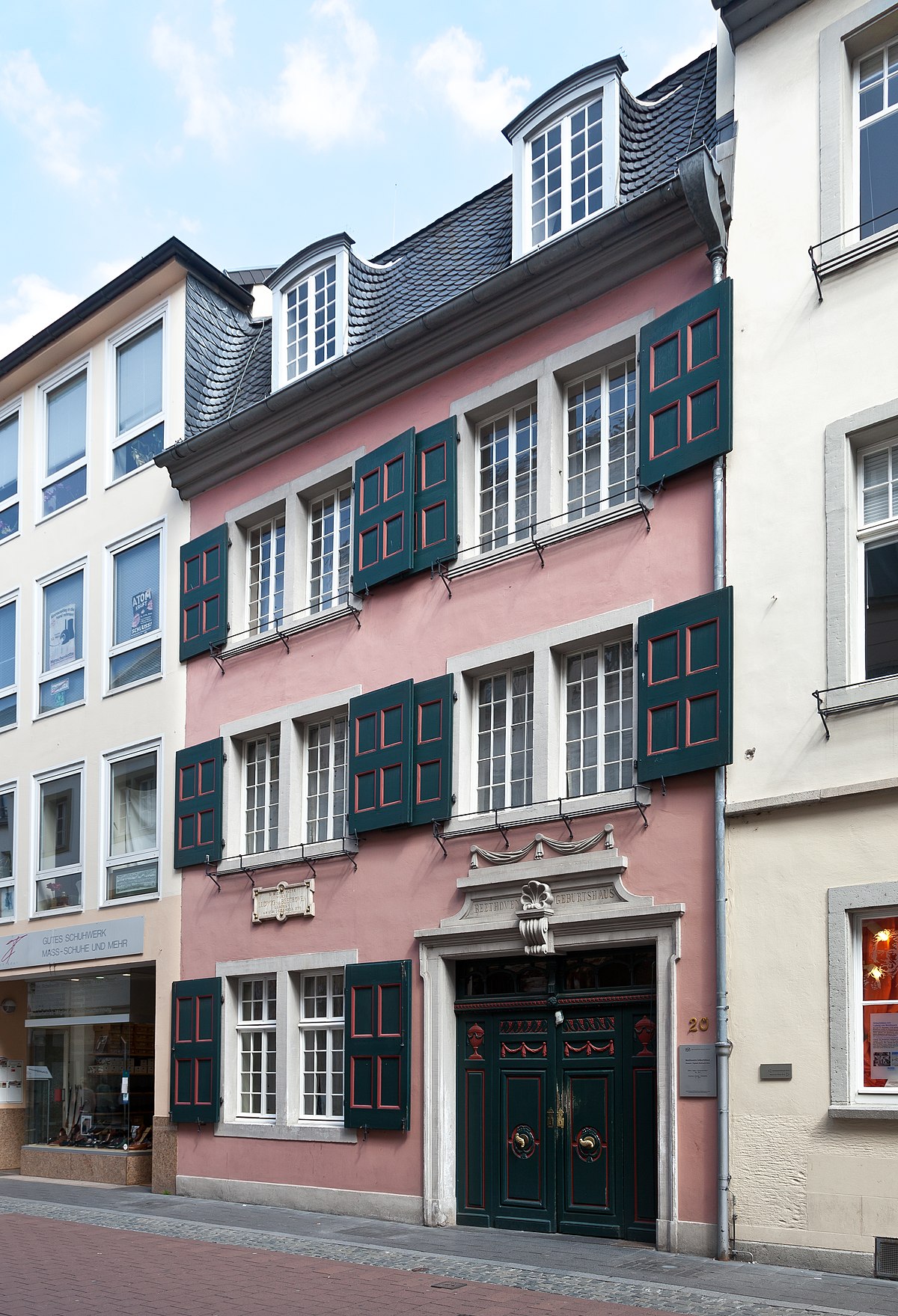
Beethoven House is a celebrated museum and the birthplace of Ludwig van Beethoven, one of the most influential composers in Western music history. …