
Jahrtausendturm
Overview
The Jahrtausendturm, or Millennium Tower, rises proudly in Magdeburg, Germany, symbolizing the intersection of history, science, and architecture. This impressive structure serves as a museum dedicated to the evolution of human knowledge and technological advancement, capturing the imagination of visitors from around the world. Its unique design and educational focus create a compelling destination for those keen to explore the milestones of human achievement.
Situated in the heart of Magdeburg, the Jahrtausendturm stands out not just as a museum but as a landmark that reflects the city’s commitment to celebrating its cultural heritage. The tower’s innovative approach to showcasing history invites exploration of various scientific disciplines, making it a significant site for both education and inspiration. As you approach the tower, the anticipation builds, promising an engaging experience that intertwines the past with the present.
History and Significance
The Jahrtausendturm is more than just a modern museum; it is a celebration of human ingenuity and an exploration of our collective journey through time. Established to highlight the key milestones in human development, the tower serves as an educational hub that emphasizes the importance of scientific progress in shaping our society.
The museum features a range of exhibits that illustrate the advancements made in various fields, including technology, astronomy, and communication. By focusing on these milestones, the Jahrtausendturm encourages visitors to reflect on the continuous evolution of knowledge and its impact on daily life. It acts as a conduit for understanding how past achievements inform current innovations, fostering a sense of connection to the ongoing narrative of human progress.
The significance of the Jahrtausendturm extends beyond its role as a museum. It is a symbol of Magdeburg’s dedication to preserving its cultural heritage while also embracing the future. As a site of learning, it stands to inspire future generations, encouraging curiosity and an appreciation for the sciences. The tower plays a crucial role in the city’s cultural landscape, attracting visitors who seek to engage with history in a meaningful way.
Architecture and Features
Architecturally, the Jahrtausendturm is a striking structure that combines contemporary design with functional space. The tower’s aesthetic is both modern and intriguing, drawing the eye with its sleek lines and innovative use of materials. The design reflects a commitment to creating a space that is not only visually appealing but also conducive to learning and exploration.
Inside, the museum is organized around thematic exhibits that guide visitors through the various milestones in human development. Each section is thoughtfully curated to provide insights into different areas of knowledge, ensuring an informative experience. The open layout allows for easy navigation, making it accessible for individuals and groups alike.
Notable features of the Jahrtausendturm include interactive displays that engage visitors in hands-on learning. These exhibits invite exploration and encourage guests to participate actively in the learning process, making the museum experience both enjoyable and enriching. As a center for education, the Jahrtausendturm embodies the spirit of inquiry and discovery that characterizes human advancement.
Visiting Information
Visiting the Jahrtausendturm is an enriching experience, with various transportation options available for those traveling to Magdeburg. The museum is accessible via public transport, making it easy for visitors to reach the tower. For those driving, ample parking is typically available nearby.
To get the most out of your visit, it is advisable to check the official website for current information regarding hours of operation and ticket prices. While the duration of your visit can vary based on personal interests, allocating at least a few hours is recommended to fully explore the museum’s offerings.
The best times to visit the Jahrtausendturm are during weekdays, as weekends can attract larger crowds. Early mornings or late afternoons are ideal for those looking to enjoy a more relaxed atmosphere while engaging with the exhibits.
As you plan your visit, consider checking the official website for any special events or temporary exhibitions that may enhance your experience.
Nearby Attractions
Magdeburg offers several attractions that complement a visit to the Jahrtausendturm. Here are a few notable sites to explore:
Magdeburg Cathedral: This Gothic marvel is just a short distance away and offers stunning architectural details and a rich history.
Elbauenpark: A beautifully landscaped park featuring gardens, an observation tower, and recreational areas, perfect for a leisurely stroll after visiting the museum.
The Grüne Zitadelle: Designed by the famous artist Friedensreich Hundertwasser, this vibrant building showcases unique architecture and houses shops, restaurants, and galleries.
The Old Market Square: A lively area filled with cafés and shops, providing a glimpse into local life and a chance to enjoy a meal or drink.
The Otto von Guericke Museum: This museum is dedicated to the famous scientist and politician, offering insights into his contributions to science and the city.
Insider Tips
To make the most of your visit to the Jahrtausendturm, consider these insider tips:
Photography: While capturing memories is encouraged, be mindful of any restrictions in specific exhibit areas. Always check for signage regarding photography permissions.
Crowd Avoidance: For a quieter experience, aim to visit during weekdays or non-peak hours. Early mornings can be particularly peaceful, allowing for a more immersive exploration of the exhibits.
Practical Information
When preparing for your visit to the Jahrtausendturm, keep the following practical information in mind:
What to Bring: Comfortable walking shoes are advisable, as you will likely spend a fair amount of time on your feet exploring the exhibits. A light jacket may also be useful, as indoor temperatures can vary.
Seasonal Considerations: If visiting during peak tourist seasons, it’s wise to plan ahead for potential crowds. Also, check the weather forecast, as Magdeburg experiences a range of seasonal conditions, which may affect your travel plans.
Frequently Asked Questions
How long should I spend visiting?
Allocate approximately 2-4 hours to fully experience the exhibits and engage with the interactive displays.
Is photography allowed?
Photography is generally permitted, but be sure to respect any posted guidelines regarding specific exhibits.
Are there guided tours?
Check the official website for information on guided tours that may enhance your understanding of the exhibits.
What’s the best time to visit?
Weekdays, especially early in the morning or late afternoon, tend to be less crowded.
Is it wheelchair accessible?
The museum is designed to be accessible, but specific facilities should be confirmed on the official website.
Can I buy tickets online?
It is advisable to check the official website for ticket purchasing options and current pricing information.
Are there restrooms and cafes?
Visitor amenities, including restrooms and cafés, are typically available, but confirm details on the official website.
What should I wear?
Dress comfortably, considering the weather and the potential for indoor climate variations.
The Jahrtausendturm is not only a museum but a portal into humanity’s journey through time, making it a significant stop for anyone interested in the evolution of knowledge and technology.
Location
More in Brandenburg
Agnetenkloster
📍 Brandenburg, Germany
Agnetenkloster, a former monastery located in the heart of Magdeburg, Germany, invites visitors to explore its serene ambiance and historical …

Agroneum
📍 Brandenburg, Germany
Agroneum is a museum located in the serene landscape of Alt Schwerin, Germany. This establishment serves as a vibrant hub for those interested in the …

Alexander Nevsky Memorial Church
📍 Brandenburg, Germany
The Alexander Nevsky Memorial Church in Potsdam, Germany, offers visitors a unique glimpse into the city’s cultural and religious heritage. This …
Alexandrowka
📍 Brandenburg, Germany
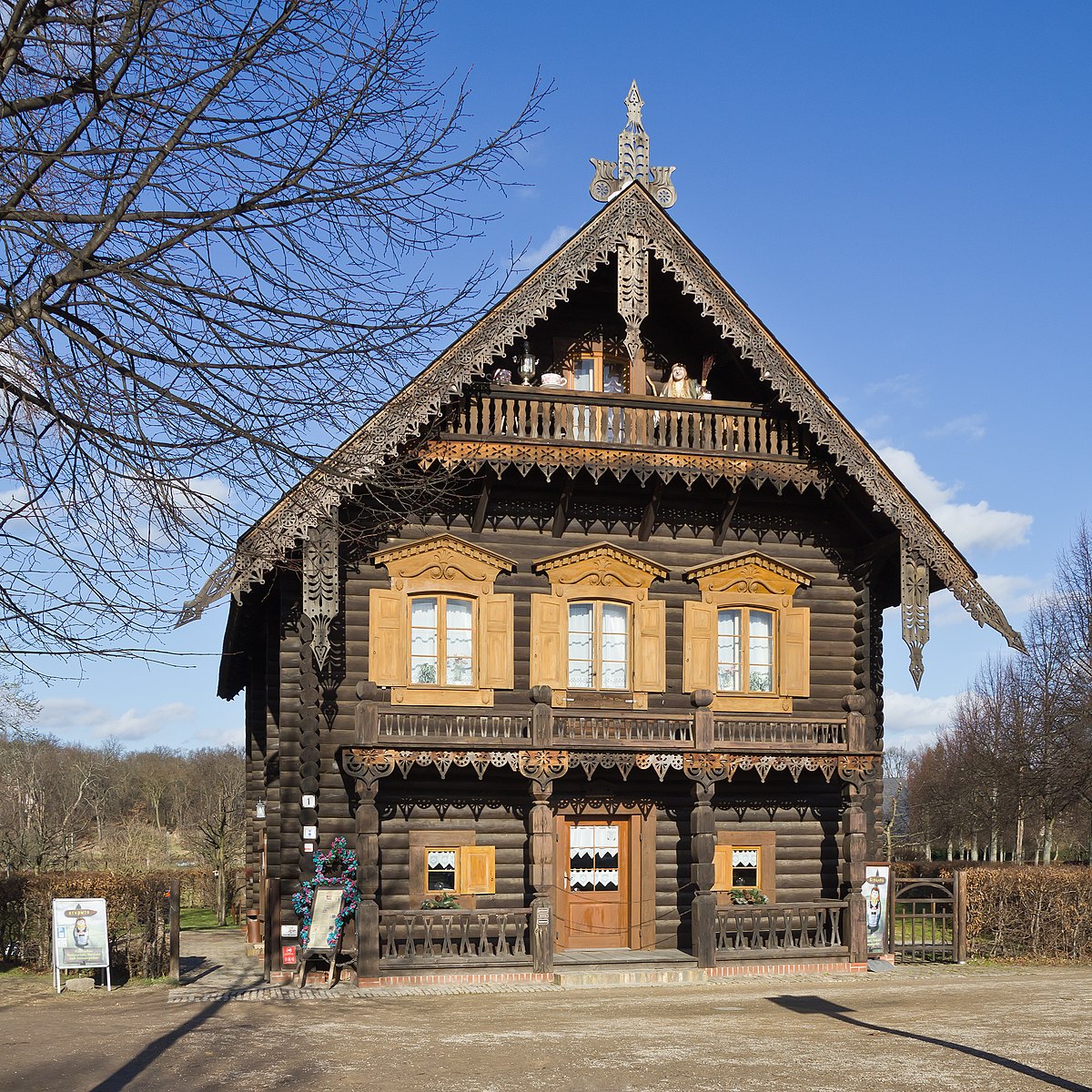
Located in the picturesque city of Potsdam, Germany, Alexandrowka is an intriguing architectural ensemble that reflects a unique blend of Russian and …

Alte Burg Penzlin
📍 Brandenburg, Germany
Alte Burg Penzlin, a captivating castle located in the quaint town of Penzlin, Germany, serves as a remarkable example of medieval architecture and …

Alte Dorfkirche Röxe
📍 Brandenburg, Germany
The Alte Dorfkirche Röxe stands as a poignant symbol of architectural and cultural history in the Stendal region of Germany. This church building, …
More Museums

Abbey and Altenmünster of Lorsch
📍 Baden-Württemberg, Germany
The Abbey and Altenmünster of Lorsch is a UNESCO World Heritage site located in the charming town of Lorsch, Germany. This significant cultural …
Abenteuermuseum
📍 Rhineland-Palatinate, Germany
The Abenteuermuseum, located in Germany, invites visitors to explore the wonders of adventure through its unique exhibits and engaging experiences. …

Abwasser- und Sielmuseum
📍 Hamburg, Germany
The Abwasser- und Sielmuseum, located in the heart of Hamburg-Mitte, offers a unique glimpse into the city’s historical infrastructure concerning …

Academy of Arts, Berlin
📍 Berlin, Germany
The Academy of Arts in Berlin is not just a museum; it is a prominent national institution dedicated to the advancement of the arts in Germany. …

Ackerbürgermuseum Haus Leck
📍 Hesse, Germany
Ackerbürgermuseum Haus Leck is a culturally significant museum located in Germany’s Grebenstein region, dedicated to preserving and showcasing the …

Active Museum Spiegelgasse
📍 Hesse, Germany
Active Museum Spiegelgasse is a vital institution dedicated to preserving and exploring the German-Jewish history of Wiesbaden, Germany. Located in …