Overview
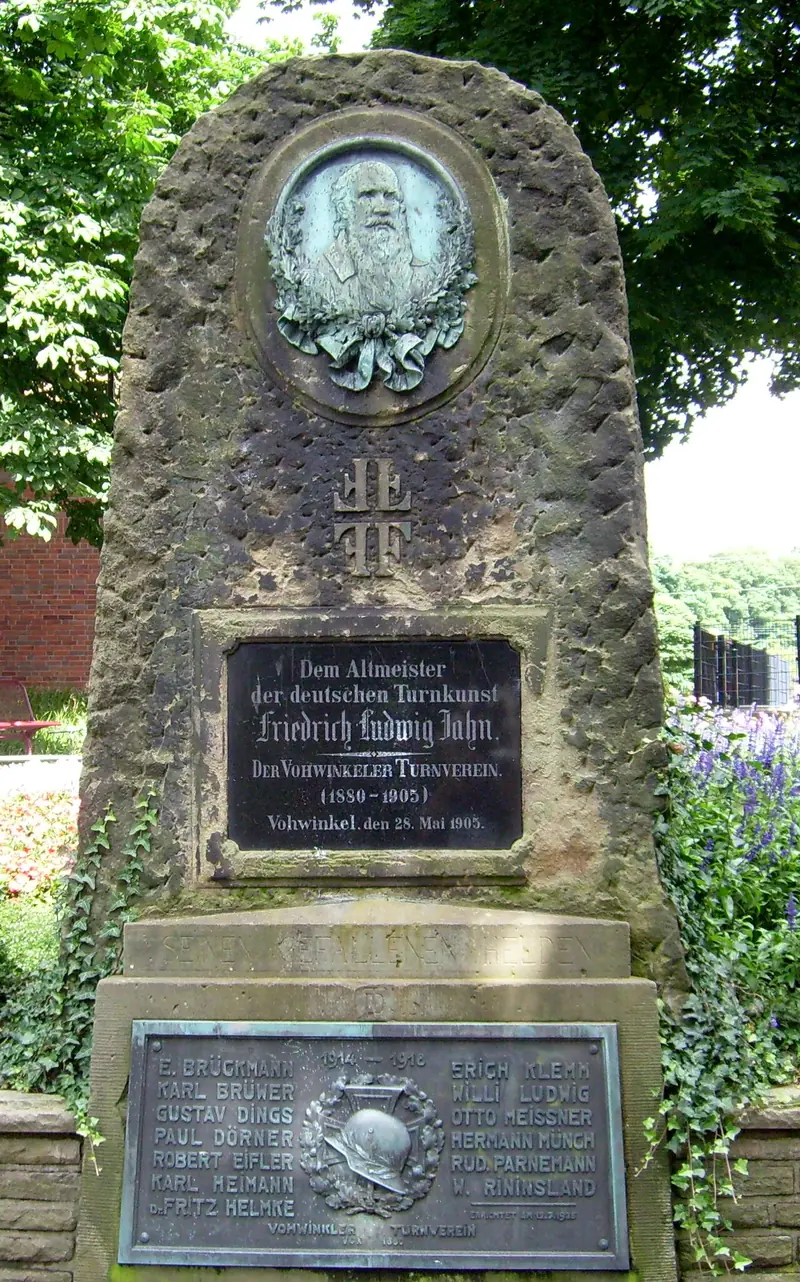
The Jahn-Denkmal, a prominent monument located in Wuppertal, Germany, serves as a significant memorial that reflects the cultural heritage of the region. This monument is dedicated to a key figure in German history and stands as a reminder of the values and ideals that shaped the nation. Positioned amidst the urban landscape of Wuppertal, the Jahn-Denkmal is not only a tribute to its namesake but also a gathering point for those interested in exploring the rich history of the area.
Wuppertal, known for its unique suspension railway and vibrant arts scene, offers a compelling backdrop to this monument. Visitors to the Jahn-Denkmal can expect to engage with the local culture while appreciating the historical context it represents. The site provides an opportunity for reflection, learning, and connection, making it a noteworthy stop for heritage travel enthusiasts.
History and Significance
The Jahn-Denkmal commemorates Friedrich Ludwig Jahn, a pivotal figure in the development of physical education in Germany. Jahn, often referred to as the “father of gymnastics,” played an instrumental role in promoting physical fitness and nationalistic sentiments in the 19th century. His contributions to the establishment of gymnastics as an essential part of education reflect the broader cultural movements of the time, emphasizing the importance of health and physical prowess in the formation of a strong national identity.
The monument serves not only as a tribute to Jahn’s legacy but also as a symbol of the social and political changes occurring in Germany during his lifetime. The emphasis on physical education and the promotion of athleticism were seen as vital to the development of a unified German state. As such, the Jahn-Denkmal encapsulates the spirit of an era that sought to instill pride and discipline among its citizens.
While specific historical dates and events surrounding the monument may not be widely documented, its significance remains undeniable. It offers insights into the values that were prevalent in Germany during the 19th century, providing visitors with a deeper understanding of the cultural dynamics at play.
Architecture and Features
The Jahn-Denkmal is characterized by its impressive design, which reflects the artistic sensibilities of the period in which it was erected. The monument stands tall, commanding attention and inviting exploration. Its architecture features classic elements that are emblematic of memorials dedicated to notable figures, including a combination of stone and sculptural work that captures the essence of Jahn’s contributions.
While details regarding specific materials or dimensions may not be available, the monument’s overall presence is striking. Visitors will notice the thoughtful placement within its surroundings, enhancing its role as both a memorial and a landmark. The inscriptions and artistic features of the monument are designed to convey messages of strength and perseverance, resonating with the ideals Jahn championed.
The Jahn-Denkmal not only serves a commemorative purpose but also functions as a public space where individuals can gather, reflect, and engage. It is a space where the community can celebrate its heritage and honor the legacy of one of its most influential figures.
Visiting Information
Visiting the Jahn-Denkmal is an enriching experience for those interested in historical monuments and memorials. Wuppertal is accessible via various modes of transport, including trains and buses, making it convenient for travelers to reach the site. Upon arrival, visitors can expect to find a well-maintained area surrounding the monument, conducive to exploration and reflection.
For the latest information regarding visiting hours and any potential fees, it is advisable to check the official website. While the specific duration of a visit may vary depending on individual interests, most visitors find that an hour or two is sufficient to appreciate the monument and its significance fully.
The best times to visit the Jahn-Denkmal typically align with pleasant weather, allowing for a more comfortable outdoor experience. Early mornings or late afternoons may also be ideal for those seeking a quieter atmosphere, as these times often see fewer crowds.
Nearby Attractions
When visiting the Jahn-Denkmal, consider exploring some of the nearby attractions that Wuppertal has to offer:
Wuppertal Suspension Railway: This iconic mode of transport provides a unique way to see the city, offering scenic views from above as it traverses the landscape.
Botmingen Castle: A short distance away, this historical site features beautiful architecture and picturesque gardens, perfect for a leisurely stroll.
Wuppertal Zoo: Located nearby, this zoo is home to a variety of animal species and offers a family-friendly environment for visitors of all ages.
Von der Heydt Museum: For art enthusiasts, this museum houses an impressive collection of paintings, sculptures, and graphic arts, showcasing works from various periods.
Skulpturenpark Waldfrieden: A short trip from the monument, this sculpture park features contemporary art installations set in a natural landscape, ideal for art lovers and nature enthusiasts alike.
Insider Tips
For those looking to capture the essence of the Jahn-Denkmal through photography, consider visiting during the golden hour—shortly after sunrise or before sunset—to take advantage of the soft, warm light. This time can enhance the monument’s features and create a visually stunning backdrop.
To avoid crowds, plan your visit on weekdays rather than weekends, as this may provide a more tranquil experience. Additionally, early mornings tend to be quieter, allowing for a more personal interaction with the site.
Practical Information
When preparing for your visit to the Jahn-Denkmal, consider bringing comfortable walking shoes, as exploring the surrounding area may involve some walking. A camera or a smartphone will also enhance your experience, enabling you to capture the monument and its surroundings.
Seasonal considerations are important as well. If visiting during winter, be prepared for colder temperatures, while summer may bring more visitors. Regardless of the season, the monument’s significance remains a constant draw for travelers.
Frequently Asked Questions
How long should I spend visiting?
Most visitors typically spend about one to two hours at the Jahn-Denkmal, allowing sufficient time to appreciate its significance and take photographs.
Is photography allowed?
Yes, photography is permitted at the Jahn-Denkmal, so feel free to capture the monument and its surroundings.
Are there guided tours?
Check the official website for information regarding guided tours, as they may be available depending on the time of year.
What’s the best time to visit?
The best time to visit is during pleasant weather, with early mornings or late afternoons being ideal for fewer crowds.
Is it wheelchair accessible?
Information about wheelchair accessibility is best obtained from the official website, ensuring you have the most accurate details.
Can I buy tickets online?
Check the official website for current information regarding ticket purchasing options.
Are there restrooms and cafes?
Facilities like restrooms and cafes may be available nearby; it’s advisable to check local resources for specific locations.
What should I wear?
Dress comfortably and appropriately for the season, considering the possibility of outdoor exploration around the monument.