
Jägertor
Overview
Jägertor, a remarkable city gate located in the heart of Potsdam, Germany, serves as a striking reminder of the city’s historical significance and architectural heritage. Once a principal exit leading to the Jägerhof, this city gate showcases the blend of functionality and design typical of its era. Today, it stands as a key landmark within the Historische Innenstadt, inviting visitors to explore its storied past and its role in the urban landscape of Potsdam. With its dramatic structure and historical relevance, Jägertor is not only a gateway to the past but also a focal point for those interested in the rich narrative of this vibrant city.
Potsdam, known for its majestic palaces and gardens, offers a unique glimpse into German history, and Jägertor is no exception. The gate’s strategic location makes it an excellent starting point for a broader exploration of the region’s cultural and historical treasures. As you approach Jägertor, you are not just entering a physical space but also stepping into a narrative woven through centuries of change and development.
History and Significance
The Jägertor holds a prominent place in the historical landscape of Potsdam. Originally constructed as a city gate, it played a vital role in the city’s fortifications. While the specific dates of its construction and subsequent alterations are not detailed, the gate has witnessed numerous transformations reflective of Potsdam’s evolution over time.
As cities grew and modernized, many gates like Jägertor were repurposed from military or defensive structures to symbols of urban development. This shift signifies the transition from a medieval fortress to a vibrant urban hub, illustrating how towns adapt to changing social and political climates. The gate’s historical significance goes beyond its architectural form; it embodies the story of Potsdam as it transitioned through various eras, including its time as a royal residence and its evolution into a modern city.
Additionally, Jägertor serves as a cultural landmark, often featured in local events and activities, reaffirming its role as a community gathering point. Its connection to the Jägerhof, a notable site that historically housed hunting facilities, further emphasizes its importance in the context of royal and aristocratic life in the region. The gate thus stands not only as an architectural feature but also as a narrative cornerstone that links the past to the present.
Architecture and Features
Jägertor is characterized by its impressive architectural design, typical of the city gates constructed during its time of prominence. While specific stylistic details are not provided, city gates often feature robust stonework, arched openings, and decorative elements that reflect the artistic trends of their eras.
The physical presence of the Jägertor contributes to its significance; its imposing structure is designed to convey strength and security, serving both a practical and symbolic function. Visitors can appreciate the craftsmanship that has endured through the years, with the gate’s solid form standing resilient against the passage of time.
Surrounding the Jägertor are elements that enhance its aesthetic appeal. The gate often interacts with the urban landscape, framed by the historical architecture of the area. This interplay creates a picturesque scene, making it a popular spot for photography and leisurely exploration. Whether viewed from a distance or approached up close, Jägertor captures the eye and invites admiration for its architectural integrity.
Visiting Information
Visiting Jägertor is an enriching experience, offering insight into the history of Potsdam. While specific hours and prices are not listed, it is advisable to check the official website for current information before planning your visit.
Getting to Jägertor is relatively straightforward. It is accessible via public transportation, making it convenient for those exploring the city. The area around the gate is pedestrian-friendly, allowing visitors to wander leisurely and fully appreciate the historical context of the surrounding streets and structures.
Expect to spend approximately 30 minutes to an hour at the gate, depending on your level of interest in photography and exploration. The best times to visit are early in the morning or late afternoon, when the light enhances the gate’s architectural features and creates a more tranquil atmosphere.
Nearby Attractions
Jägertor is situated near several other noteworthy landmarks in Potsdam. A few must-visit locations nearby include:
Sanssouci Park: Just a short walk away, this expansive park is home to magnificent palaces and beautifully landscaped gardens that exemplify 18th-century architecture and design.
Sanssouci Palace: The centerpiece of Sanssouci Park, this UNESCO World Heritage Site is renowned for its stunning Rococo architecture and historical significance as Frederick the Great’s summer residence.
The New Palace: Located at the western end of Sanssouci Park, this grand palace offers visitors a glimpse into the opulence of Prussian royalty and is filled with impressive art and architecture.
Potsdam Museum: Just a brief stroll from Jägertor, this museum provides a deep dive into the local history and culture of Potsdam, showcasing artifacts and exhibitions that tell the city’s story.
Filmpark Babelsberg: A short distance away, this film studio and theme park offer insights into the film industry, with attractions related to cinema and television.
Insider Tips
When visiting Jägertor, consider the following tips to enhance your experience:
Photography: The gate presents excellent photo opportunities, particularly during the golden hours of sunrise and sunset. The interplay of light and shadow on the architecture can create stunning images.
Crowd Avoidance: To avoid larger crowds, plan your visit during weekdays. Early mornings are also less busy, allowing you to enjoy the site with greater tranquility.
Practical Information
When preparing for your visit to Jägertor, here are some practical considerations:
What to Bring: Comfortable walking shoes are essential, as the area around Jägertor encourages exploration. A camera or smartphone for photography is also recommended.
Seasonal Considerations: Be mindful of the weather when planning your visit. Summer offers pleasant temperatures ideal for outdoor exploration, while spring and autumn bring beautiful seasonal changes to the surroundings.
Frequently Asked Questions
How long should I spend visiting?
A visit to Jägertor typically takes about 30 minutes to an hour, depending on your interest in exploring the surrounding area.
Is photography allowed?
Yes, photography is allowed, and the gate is a picturesque subject, especially during the golden hours.
Are there guided tours?
While specific information on guided tours is not provided, it is advisable to check the official website for potential offerings.
What’s the best time to visit?
Visiting early in the morning or late in the afternoon is recommended for a more peaceful experience and optimal lighting for photography.
Is it wheelchair accessible?
Check the official website for current information on accessibility options at Jägertor.
Can I buy tickets online?
Information regarding ticket purchasing is not specified; therefore, it’s best to consult the official website for details.
Are there restrooms and cafes?
Nearby facilities are not mentioned in the data, so it is advisable to check in advance for available amenities in the vicinity.
What should I wear?
Dress comfortably for walking and consider the weather; layers are ideal for fluctuating temperatures.
Visiting Jägertor offers a unique opportunity to appreciate both the architectural heritage and the historical significance of Potsdam. As you explore this city gate, take a moment to reflect on the stories it has witnessed throughout the years, enriching your understanding of this vibrant city.
More in Brandenburg
Agnetenkloster
📍 Brandenburg, Germany
Agnetenkloster, a former monastery located in the heart of Magdeburg, Germany, invites visitors to explore its serene ambiance and historical …

Agroneum
📍 Brandenburg, Germany
Agroneum is a museum located in the serene landscape of Alt Schwerin, Germany. This establishment serves as a vibrant hub for those interested in the …

Alexander Nevsky Memorial Church
📍 Brandenburg, Germany
The Alexander Nevsky Memorial Church in Potsdam, Germany, offers visitors a unique glimpse into the city’s cultural and religious heritage. This …
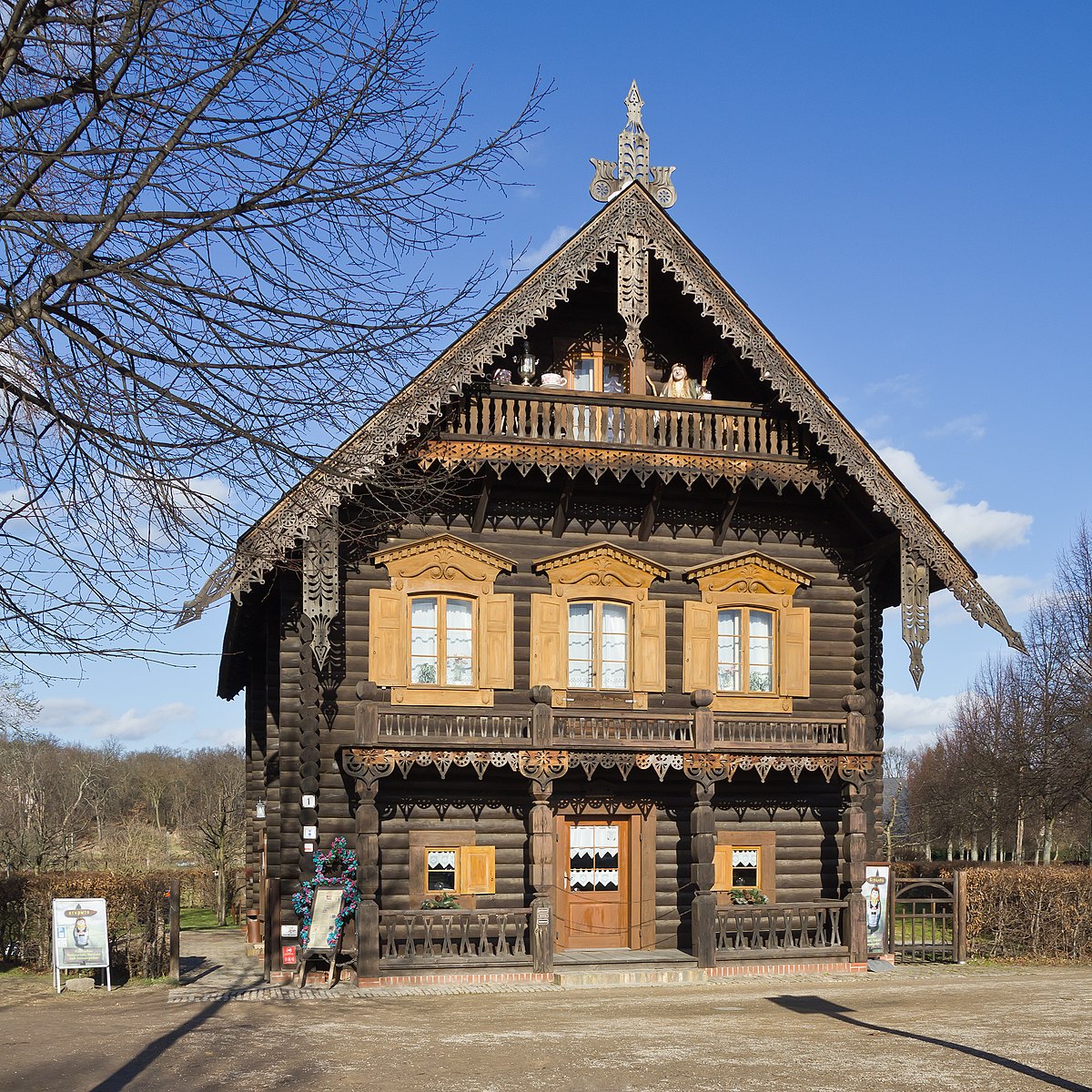
Alexandrowka
📍 Brandenburg, Germany
Located in the picturesque city of Potsdam, Germany, Alexandrowka is an intriguing architectural ensemble that reflects a unique blend of Russian and …

Alte Burg Penzlin
📍 Brandenburg, Germany
Alte Burg Penzlin, a captivating castle located in the quaint town of Penzlin, Germany, serves as a remarkable example of medieval architecture and …

Alte Dorfkirche Röxe
📍 Brandenburg, Germany
The Alte Dorfkirche Röxe stands as a poignant symbol of architectural and cultural history in the Stendal region of Germany. This church building, …
More City Gates

Adalbertstor
📍 North Rhine-Westphalia, Germany
Adalbertstor is a remarkable city gate located in Aachen, Germany, that plays a significant role in the architectural and historical landscape of the …
Affentor
📍 Hesse, Germany
Affentor, the southernmost of the medieval city gates of Frankfurt am Main, serves as a historical marker of the city’s rich past and architectural …
Altes Brücktor
📍 Brandenburg, Germany
Altes Brücktor, once a prominent city gate in the heart of Magdeburg, carries with it the weight of a rich historical narrative intertwined with the …

Angertor (München)
📍 Bavaria, Germany
The Angertor, an iconic city gate located in the historic Altstadt-Lehel district of Munich, serves as a striking reminder of the city’s medieval …

Anklam Gate of Usedom City
📍 Mecklenburg-Vorpommern, Germany
The Anklam Gate of Usedom City stands as a significant architectural feature within the historical landscape of Usedom, Germany. This city gate, a …

Anklamer Tor
📍 Mecklenburg-Vorpommern, Germany
The Anklamer Tor, a historic city gate located in the Friedland region of Germany, serves as a fascinating portal into the architectural and cultural …