Overview
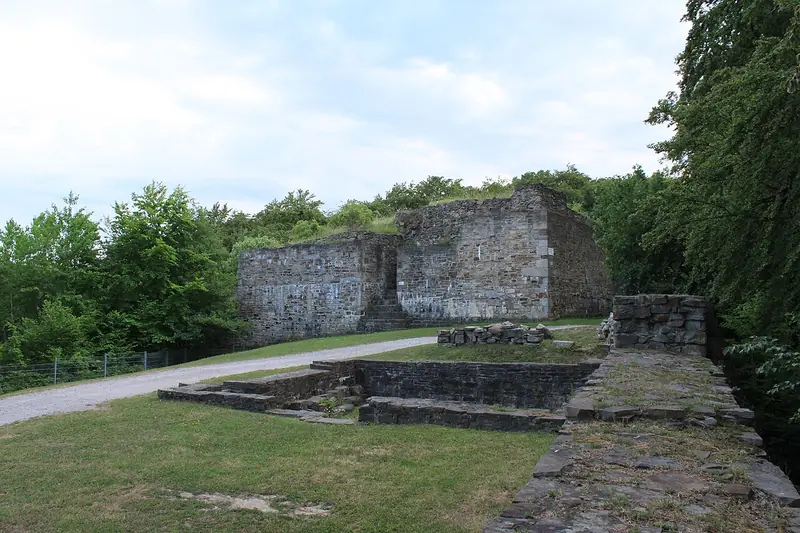
Perched above the town of Hattingen-Niederbonsfeld, Isenburg Castle captivates visitors with its historical remnants and striking views of the surrounding landscape. This castle ruin, located in Nordrhein-Westfalen, Germany, invites exploration into a past filled with intrigue and fortification. As you approach, the sight of the crumbling stone walls evokes images of knights and battles, making it a compelling destination for history enthusiasts and casual visitors alike.
Isenburg Castle holds significant historical value as a fortification that has endured through the ages, reflecting the turbulent history of the region. Its strategic location allowed it to play a crucial role in local defense mechanisms, ensuring its relevance in the historical narrative of the area. Visitors will discover not only the architectural remnants but also the stories and legends that have shaped this site over centuries.
As you navigate through the castle’s remnants, prepare to uncover the castle’s architectural features and the tales of the people who once lived and fought here. The experience of wandering through Isenburg Castle promises a blend of history, culture, and stunning vistas that will leave a lasting impression.
History and Significance
Isenburg Castle, known for its fortified structure, has witnessed significant historical events as it evolved over the centuries. Built as a protective measure, the castle served as a stronghold for local nobility, illustrating the feudal systems that dominated medieval society. Its defensive capabilities were vital during various conflicts, making it an essential part of the region’s military architecture.
The castle’s significance extends beyond mere defense; it is a cultural landmark representing the architectural trends of its time. As the surrounding landscape changed and modernized, Isenburg Castle remained a poignant reminder of the past, drawing attention to the historical narrative of the area. Over the years, it has inspired local folklore and legends, intertwining itself with the cultural identity of Hattingen-Niederbonsfeld.
The ruins of Isenburg Castle today stand testament to its strategic importance, offering insights into the life and times of those who occupied it. As you explore its remains, you can almost hear the echoes of history reverberating through the stone walls, revealing stories of resilience and change that have shaped this remarkable site.
Architecture and Features
The architecture of Isenburg Castle reflects the fortification style prevalent in medieval Germany. The castle’s remains, primarily constructed from local stone, exhibit the robust features typical of a defensive stronghold. Visitors can appreciate the thick walls, which provided protection and stability, as well as the remnants of towers that once allowed for surveillance of the surrounding area.
Notable features of the castle include its strategic positioning on elevated ground, which not only offered a commanding view of the landscape but also facilitated defense against potential invaders. The architectural remnants invite contemplation of the ingenuity involved in medieval construction, showcasing techniques that have weathered the test of time.
As you wander through the site, take note of the intricate details in the stonework, which hint at the craftsmanship of the builders. The combination of utilitarian function and aesthetic design creates a visually distinctive experience for visitors. Each corner of the ruin offers a snapshot of its past glory, inviting exploration and reflection on the architectural legacy of Isenburg Castle.
Visiting Information
Getting to Isenburg Castle is relatively straightforward, with various transport options available in the surrounding region. Accessible by road, the castle is within reach for those traveling by car, while local public transport may provide additional options.
Check the official website for current opening hours, as these can vary. Admission is typically free, allowing you to explore the grounds at your leisure. Expect to spend approximately 1-2 hours on site, which provides ample time to appreciate the ruins, take photographs, and soak in the historical ambiance.
For the best experience, consider visiting in the morning, when crowds are lighter, or during the spring and fall, when the weather is most pleasant for exploration. Accessibility options may vary; contact the site directly for the latest information regarding facilities and access for those with mobility concerns.
Nearby Attractions
When visiting Isenburg Castle, consider exploring these nearby attractions that further enrich your experience in the region:
Hattingen Town Center: A charming area featuring half-timbered houses and quaint shops, perfect for a leisurely stroll and experiencing local culture.
Ruins of Blankenstein Castle: Located nearby, this castle ruin offers additional historical context and picturesque views of the surrounding countryside.
Bergisches Land Nature Park: This expansive park features a beautiful landscape with trails for hiking, ideal for those looking to immerse themselves in nature after visiting the castle.
St. George’s Church: A historical church in Hattingen, showcasing remarkable architecture and providing a glimpse into the religious heritage of the region.
Museum der Stadt Hattingen: This local museum houses exhibits detailing the rich history and culture of Hattingen, providing further insights into the area’s past.
Insider Tips
For the best photography opportunities, aim for early morning or late afternoon light, which enhances the castle’s stone features against the vibrant sky. Look for lesser-known details like the unique textures of the weathered stones or the surrounding flora that adds depth to your photos.
To avoid crowds, consider visiting on weekdays rather than weekends. Engaging with the local community or nearby attractions can also enrich your understanding of the area’s history and culture.
Don’t forget to bring a good pair of walking shoes, as the terrain may be uneven in places. A camera is essential to capture the striking ruins and the landscape that surrounds Isenburg Castle.
Practical Information
Your visit to Isenburg Castle can be greatly enhanced with a few simple preparations. Be sure to check the official website for current opening hours and admission prices before your visit. A good idea is to bring water and snacks, especially if you plan to explore the nearby attractions.
Seasonal considerations are important; spring and fall typically offer the most favorable weather for walking and exploring outdoor sites. Dress in layers, as temperatures can fluctuate, especially in the early morning or late evening.
Plan your visit to include some time for reflection and exploration, allowing the history of Isenburg Castle to resonate as you take in the surroundings.
Frequently Asked Questions
How long should I spend visiting?
You should plan to spend about 1-2 hours at Isenburg Castle. This allows you enough time to explore the ruins, take photographs, and enjoy the historical ambiance.
Is photography allowed inside?
Yes, photography is allowed in the castle ruins, making it a great opportunity to capture the unique architecture and surrounding landscapes.
Are there guided tours available?
Information about guided tours is not specified. It is best to contact the site directly for details regarding any available tours.
What’s the best time of day to visit?
The best time to visit Isenburg Castle is in the morning when crowds are fewer, allowing for a more peaceful exploration of the site.
Is the site wheelchair accessible?
For the latest information on accessibility options, contact the site directly before your visit, as details may vary.
Can I buy tickets online?
Information regarding online ticket purchases is not provided. Please check the official website or contact the site for current admission details.
Are there facilities like restrooms and cafes?
Details about facilities are not specified. It’s advisable to check with the site directly for information on available amenities.
What should I wear when visiting?
Wear comfortable clothing and sturdy shoes suitable for outdoor exploration, as the terrain may be uneven in certain areas. Consider dressing in layers for fluctuating temperatures.