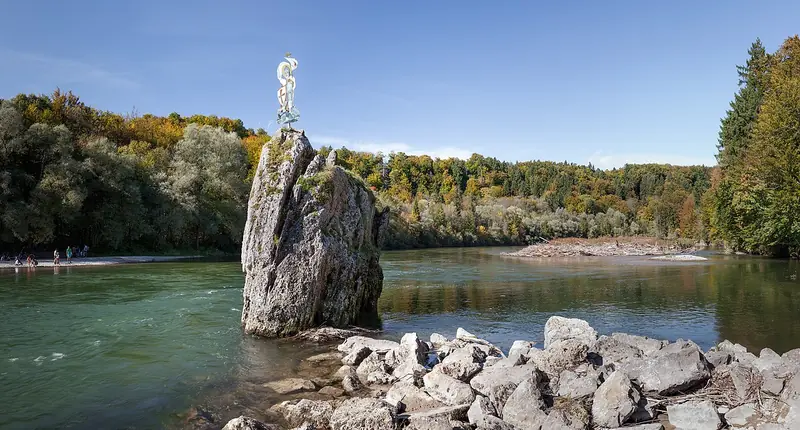
Overview
The Isar River, flowing through the picturesque landscapes of Tyrol, Austria, and Bavaria, Germany, is a vital waterway that intertwines the natural beauty and cultural heritage of these two regions. Originating in the Tyrolean Alps, the Isar meanders northward, enhancing the charm of the towns and cities it touches. This river not only serves as a source of life and recreation for the local communities but also plays a significant role in the ecological and hydrological systems of the area. Visitors to the Isar can expect a blend of serene riverbanks, lush greenery, and opportunities for outdoor activities, making it a perfect destination for nature enthusiasts and those seeking relaxation alike.
The Isar is recognized as one of the major rivers in Germany, contributing to the region’s rich biodiversity and offering habitats for various wildlife species. As it flows through urban areas, it also reflects the integration of nature within the urban landscape, showcasing the harmonious coexistence of human activity and natural ecosystems. Whether you are looking to hike along its banks, enjoy a leisurely picnic, or engage in water sports, the Isar promises a refreshing experience that embodies the essence of the surrounding regions.
History and Significance
The Isar River has a long-standing history that intertwines with the development of the local culture and economy. As one of the principal rivers in Bavaria, it has historically served as a crucial transportation route, facilitating trade and communication between various settlements. The river’s banks have witnessed the rise and fall of civilizations, shaping the cultural landscape of the regions it traverses.
In addition to its historical importance, the Isar has played a vital role in the local ecology. The river supports diverse ecosystems, providing habitats for numerous fish species, birds, and other wildlife. Over the centuries, the Isar has been a source of inspiration for artists, poets, and philosophers, who have drawn on its beauty and significance in their works. The river’s significance extends to its recreational uses today, with locals and visitors alike enjoying its tranquil waters for activities such as kayaking, swimming, and fishing.
Culturally, the Isar is celebrated in various forms of local tradition and folklore. Festivals and events often take place along its banks, showcasing the rich heritage of the communities that call the river their lifeblood. This deep connection with the river is evident in the way it has shaped local customs, culinary traditions, and even the architecture of nearby towns.
Architecture and Features
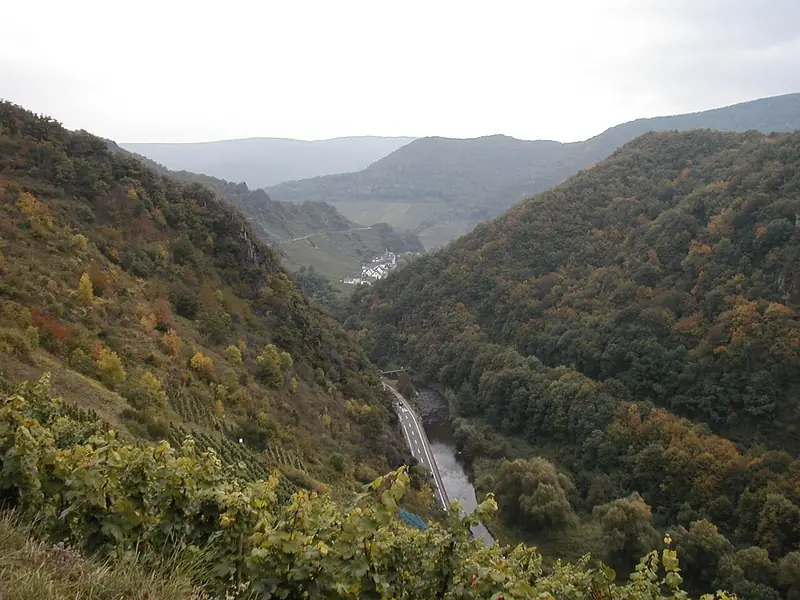
The Isar River is characterized by its natural beauty, flanked by verdant landscapes and rocky outcrops that create a stunning backdrop for outdoor activities. The river features a mix of tranquil stretches and more dynamic rapids, appealing to a variety of recreational pursuits. The banks of the Isar are often lined with picturesque parks and pathways, inviting walkers, joggers, and cyclists to explore its scenic routes.
One notable feature of the Isar is its diverse ecosystem, which includes areas of rich vegetation and habitats that support various wildlife. As you walk along the river, you may encounter an array of bird species and aquatic life, adding to the river’s charm. The Isar also has several access points that make it easy for visitors to approach the water, whether for a leisurely stroll or an adventurous dip.
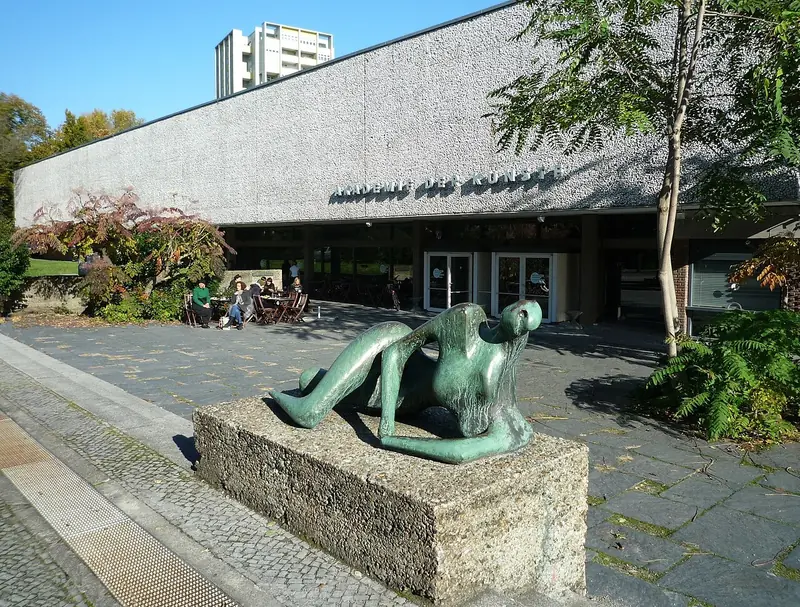
In urban areas, particularly in Munich, the Isar River is integrated into the city’s layout, with bridges connecting neighborhoods and providing stunning views of the flowing waters. These structures reflect both historical and contemporary architectural styles, illustrating the evolution of the area over time. The river’s banks are often adorned with sculptures and public art, enhancing the aesthetic appeal and inviting reflection along its course.
Visiting Information
Visiting the Isar River offers a variety of experiences suitable for all types of travelers. Access to the river can be found at numerous points along its length, particularly in urban centers such as Munich, where public transportation makes it convenient to reach. Check the official website for current information regarding access points and local facilities.
Expect a variety of activities depending on the season. In warmer months, the river becomes a hub for swimming, sunbathing, and picnicking, while winter months may offer opportunities for serene walks along frost-kissed banks. The best times to visit are during spring and summer when the weather is most conducive to outdoor activities, and the surrounding flora is in full bloom.
A visit to the Isar can be as brief as a few hours or can extend into a day spent exploring the river’s paths and parks. Plan to spend time engaging with the natural beauty and perhaps enjoying a meal at one of the nearby cafes or restaurants that offer scenic views of the river.
Nearby Attractions
- Munich: The vibrant capital of Bavaria is just a stone’s throw from the Isar, offering a wealth of museums, cultural events, and historical landmarks.
- Englischer Garten: One of the largest urban parks in the world, this park features beautiful walking paths, beer gardens, and scenic river views along the Isar.
- Tegernsee: A stunning lake located a short drive from the Isar, perfect for hiking, boating, and enjoying the beautiful mountain scenery.
- Schwiesing Castle: A historical castle nearby that offers guided tours and insights into the region’s history.
- Isarauen Nature Reserve: A protected area along the river that provides opportunities for wildlife observation and hiking.
Insider Tips
To capture the essence of the Isar River, consider visiting during the early morning or late afternoon when the soft light enhances the landscape for photography. The quieter hours also allow for a more tranquil experience along the riverbanks.
If you want to avoid the crowds, especially during peak summer months, consider exploring less popular access points or visiting during weekdays rather than weekends. Bringing a picnic is highly encouraged, as there are many picturesque spots along the river to relax and enjoy the scenery.
Practical Information
When planning your visit to the Isar, be sure to dress comfortably for outdoor activities, and consider wearing sturdy footwear if you plan to hike along the riverbanks. Bringing sunscreen and a hat is advisable, especially during the warmer months.
Seasonal considerations include the potential for rain in spring and early summer, so check the weather forecast before your visit. In colder months, be prepared for chilly temperatures and possibly icy paths.
Frequently Asked Questions
How long should I spend visiting?
A few hours is sufficient for a quick visit, but a full day allows for more exploration and enjoyment of the surrounding areas.
Is photography allowed?
Yes, photography is permitted throughout the Isar, making it a great location for capturing scenic landscapes and wildlife.
Are there guided tours?
While there may not be formal guided tours specifically for the Isar, local tourist offices can provide information on self-guided walking routes and nearby attractions.
What’s the best time to visit?
Spring and summer are ideal for enjoying outdoor activities, while autumn offers beautiful foliage along the riverbanks.
Is it wheelchair accessible?
Certain areas along the Isar are accessible, but it’s recommended to check specific access points for wheelchair-friendly paths.
Can I buy tickets online?
There are no tickets required to access the Isar River, but local attractions or guided services may offer online ticket purchases.
Are there restrooms and cafes?
Public restrooms and cafes can be found in urban areas near the river, particularly in Munich.
What should I wear?
Comfortable clothing suitable for outdoor activities is recommended. Consider layering options for changing weather conditions.