
Invalidenhaus Berlin
Overview
Invalidenhaus Berlin is a historical foundation located in the district of Frohnau in Berlin, Germany. This site encapsulates a unique aspect of Berlin’s multifaceted history, serving various functions over the years that reflect the social and cultural evolution of the city. While the Invalidenhaus itself may not be among the most frequently visited landmarks in Berlin, its significance lies in its unique role as a foundation that has contributed to the community and its heritage. As you explore this site, you will gain insight into the architectural styles and social initiatives that have shaped Berlin’s evolution.
Situated in a vibrant urban area, Invalidenhaus stands as a reminder of the city’s historical developments and community support systems. Through its architecture and continued relevance, this foundation offers visitors an understanding of Berlin’s commitment to caring for its citizens.
Whether you’re an architecture enthusiast, a history buff, or simply looking to broaden your travel experience, Invalidenhaus Berlin promises a rewarding visit that highlights the importance of historical foundations in shaping societal structures.
History and Significance
The Invalidenhaus holds a crucial place in the narrative of Berlin’s social history. Originally established as a foundation, the Invalidenhaus served as a home and support system for invalids and veterans, reflecting the city’s approach to care for those who have served. The purpose of such institutions has evolved over the years, but their impact on communities remains significant.
The foundation’s existence highlights the societal changes that have occurred in Berlin, particularly in how society views and supports its vulnerable populations. The Invalidenhaus’s legacy is intertwined with various historical events that have influenced the social fabric of Berlin, including wars and subsequent rehabilitation efforts.
The architectural elements of the Invalidenhaus also speak volumes about the era in which it was constructed and the various modifications it underwent over the years. These changes not only reflect advancements in architectural styles but also indicate shifts in societal values and priorities. The Invalidenhaus continues to serve as a symbol of resilience and community, embodying the spirit of support and care that defines Berlin.
Architecture and Features
The architectural style of Invalidenhaus Berlin demonstrates a blend of historical influences that have shaped its design. While specific architectural details may vary, the building is characterized by its practical yet thoughtful layout, allowing for functionality that addresses the needs of its residents.
Visitors will notice that the structure reflects the aesthetics of its time, with features that may include traditional German architectural elements. The design is purposeful, catering to the foundation’s mission of providing comfort and support to its inhabitants.
Surrounding the Invalidenhaus, the landscape may include communal areas that offer space for gathering and interaction, further emphasizing the foundation’s role in fostering community ties. The integration of these spaces into the architectural plan illustrates the importance of social interaction in the lives of those residing within.
While exploring the Invalidenhaus, take a moment to appreciate the subtle details of its construction and design, which serve as a testament to the values of care and community support that the foundation embodies.
Visiting Information
When planning your visit to Invalidenhaus Berlin, it is essential to consider transportation options and accessibility. The foundation is located in Berlin-Frohnau, a district that is well-connected to the rest of the city through public transport. Visitors can utilize Berlin’s efficient metro and bus systems to reach the site conveniently.
Check the official website for current information regarding opening hours and ticket prices. It is advisable to allocate a sufficient amount of time to fully appreciate the site and its significance. A visit typically takes around 1 to 2 hours, allowing ample time to explore the foundation and engage with its features.
The best times to visit may vary based on seasonal events and local activities, so checking the calendar for any special events can enhance your experience. While there may be peak visitation times, it is often possible to enjoy a quieter experience during weekday mornings.
As you prepare for your visit, consider what to expect in terms of facilities and amenities. The site may have resources available for visitors, such as informational brochures and guides, to enrich your understanding of the foundation’s history and significance.
Nearby Attractions
After exploring Invalidenhaus Berlin, consider visiting some nearby attractions that offer additional insights into the cultural and historical landscape of the area. Here are a few suggestions:
Berlin Wall Memorial: A short distance away, this memorial preserves a section of the Berlin Wall and provides a poignant reminder of the city’s divided history.
Schoeneberg Town Hall: This historic building is known for its striking architecture and serves as a prominent example of Berlin’s municipal heritage.
Museum of Communication: Discover the evolution of communication through engaging exhibits that showcase the history of media and technology.
Botanischer Garten Berlin: This expansive botanical garden offers a peaceful retreat with diverse plant species and beautiful landscapes, perfect for a leisurely stroll.
Teufelsberg: An artificial hill built from WWII rubble, it features a former listening station and offers panoramic views of Berlin, making it a popular hiking destination.
Insider Tips
For those planning to photograph the Invalidenhaus, early mornings or late afternoons often provide the best natural light and fewer crowds. Be mindful of the site’s guidelines on photography to ensure a respectful visit.
To avoid the busiest times, consider visiting during weekdays, as weekends can attract more visitors. This will allow you to enjoy a more tranquil experience as you explore the foundation’s features.
Practical Information
When visiting Invalidenhaus Berlin, it’s advisable to bring a camera, comfortable walking shoes, and any personal items you may need for your visit. Depending on the season, consider dressing in layers to accommodate varying temperatures.
If you are visiting during the colder months, be prepared for possible winter weather conditions, which may affect your experience. Conversely, summer visits may offer pleasant weather, perfect for exploring the surrounding areas.
Frequently Asked Questions
How long should I spend visiting?
A visit typically takes around 1 to 2 hours, allowing time to explore the foundation and learn about its history.
Is photography allowed?
Check the site’s guidelines regarding photography to ensure compliance during your visit.
Are there guided tours?
Information on guided tours can be found on the official website; consider checking there for details.
What’s the best time to visit?
Weekday mornings often provide a quieter experience, while weekends may be busier.
Is it wheelchair accessible?
For specific accessibility options, check the official website for the most current information.
Can I buy tickets online?
Ticket purchasing options may vary; check the official website for details.
Are there restrooms and cafes?
Facilities such as restrooms and cafes may be available; check the website for specifics.
What should I wear?
Dress comfortably and consider seasonal variations in weather to ensure a pleasant visit.
More in Berlin

144., 176. und 184. Gemeindeschule
📍 Berlin, Germany
The 144., 176. und 184. Gemeindeschule, an architectural ensemble located in the vibrant city of Berlin, stands as a noteworthy example of educational …

Academy of Arts (Hanseatenweg)
📍 Berlin, Germany
The Academy of Arts (Hanseatenweg) stands as an emblem of Berlin’s vibrant cultural landscape, located in the historic Hansaviertel district. Renowned …

Academy of Arts, Berlin
📍 Berlin, Germany
The Academy of Arts in Berlin is not just a museum; it is a prominent national institution dedicated to the advancement of the arts in Germany. …

Academy of the Konrad-Adenauer-Stiftung
📍 Berlin, Germany
The Academy of the Konrad-Adenauer-Stiftung, located in the heart of Berlin, is not just a foundation but a hub of intellectual discourse and …

ACUD
📍 Berlin, Germany
Located in the heart of Berlin’s Bezirk Mitte, ACUD serves as a vibrant cultural center and cinema, showcasing an array of films and events that …

Admiralspalast
📍 Berlin, Germany
Admiralspalast is a prominent theatre and event venue located in the heart of Berlin, Germany. This architectural gem serves as a cultural hub, …
More Foundations
Academy of the Konrad-Adenauer-Stiftung
📍 Berlin, Germany
The Academy of the Konrad-Adenauer-Stiftung, located in the heart of Berlin, is not just a foundation but a hub of intellectual discourse and …

Akademie Schloss Solitude
📍 Baden-Württemberg, Germany
Akademie Schloss Solitude is a distinguished foundation located in Stuttgart, Germany, that serves as a cultural and artistic haven for individuals …
Alerds-Stiftung
📍 Lower Saxony, Germany
Alerds-Stiftung, located in the historic city of Brunswick, Germany, represents a significant cultural and philanthropic institution dedicated to …

Alfred Wegener Institute for Polar and Marine Research
📍 Bremen, Germany
The Alfred Wegener Institute for Polar and Marine Research, located in Bremerhaven, Germany, stands as a cornerstone of scientific inquiry into the …

Bavarian Elite-Academy
📍 Bavaria, Germany
The Bavarian Elite-Academy, located in the vibrant city of Munich, Germany, is a foundation dedicated to fostering excellence in various fields of …
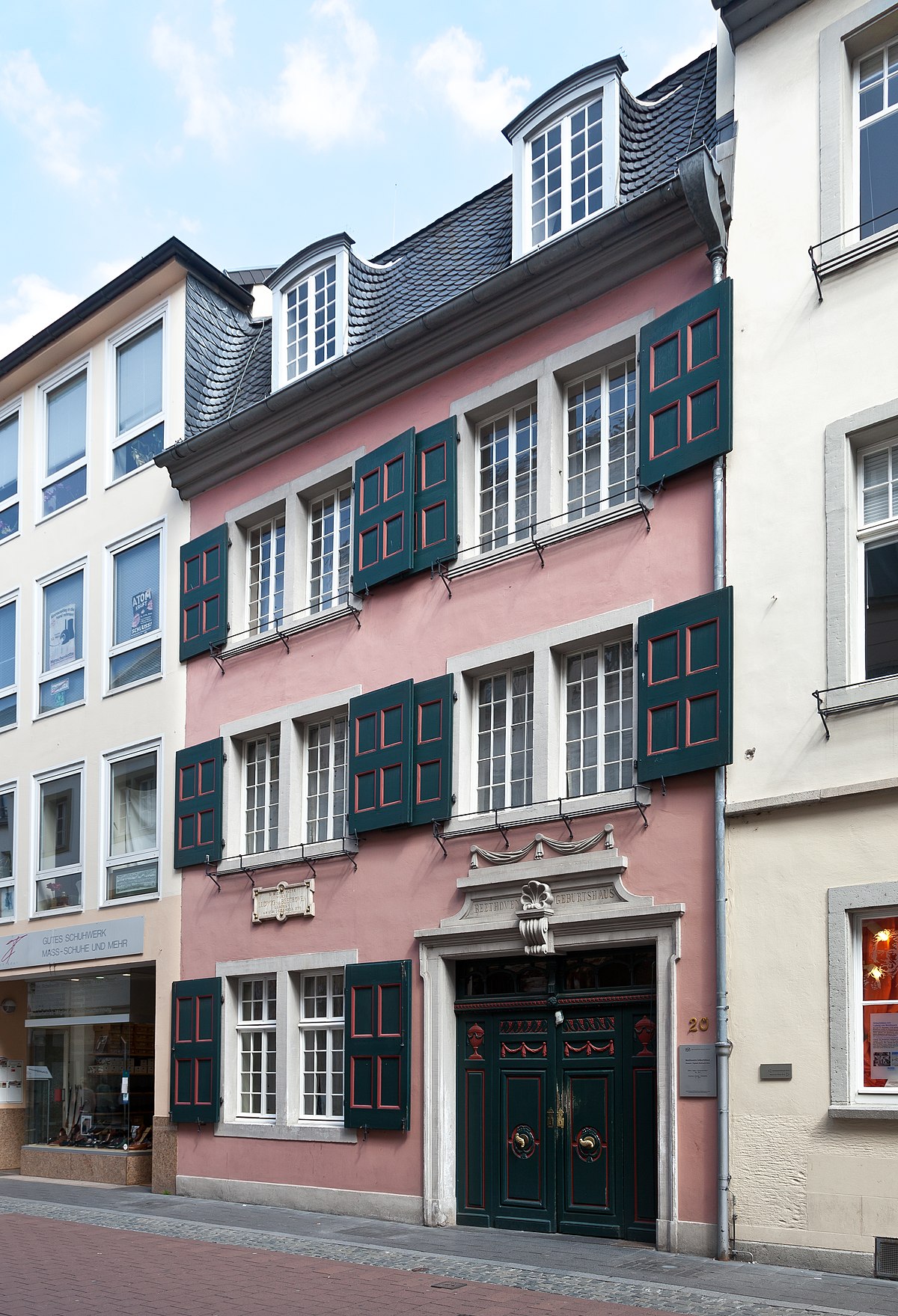
Beethoven House
📍 North Rhine-Westphalia, Germany
Beethoven House is a celebrated museum and the birthplace of Ludwig van Beethoven, one of the most influential composers in Western music history. …