Institute for the History of the German Jews, Hamburg
Overview
In the heart of Hamburg, the Institute for the History of the German Jews serves as a vital repository of knowledge and cultural heritage, dedicated to preserving the history and contributions of Jews in Germany. This foundation showcases the complex narratives that have shaped Jewish identity in the country, reflecting both triumphs and tragedies throughout the ages. As a critical institution within the Eimsbüttel district, it invites visitors to explore the multifaceted experiences of Jewish communities and their influence on German culture.
The institute not only functions as a research facility but also aims to foster understanding and dialogue regarding Jewish history and its ongoing relevance in contemporary society. Through various exhibitions, lectures, and publications, it provides an engaging platform for scholars, students, and the general public alike. Those who step into this space will find themselves immersed in a wealth of knowledge that speaks to the resilience and creativity of Jewish culture amid centuries of change.
Whether you are a history enthusiast, a researcher, or simply curious about the cultural dynamics of Germany, a visit to the Institute for the History of the German Jews promises a thought-provoking experience that highlights the importance of remembrance and education in understanding the past.
History and Significance
The Institute for the History of the German Jews has been established as a foundation under the auspices of the Free and Hanseatic City of Hamburg. It plays a crucial role in documenting and analyzing the intricate history of Jews in Germany, a narrative that spans centuries and encompasses a wide range of experiences. This foundation is dedicated to scholarly research and public education about the Jewish community, its achievements, struggles, and the impact of historical events on its evolution.
The cultural significance of the institute is profound, as it not only preserves historical records but also actively engages in research projects that explore various aspects of Jewish life, including social, political, and cultural dimensions. By fostering a deeper understanding of Jewish history, the institute contributes to the broader discourse on tolerance, diversity, and human rights.
In recent years, the foundation has expanded its initiatives to include educational programs that reach schools and universities, ensuring that younger generations are informed about the past and its implications for the present. This commitment to education is critical in combating anti-Semitism and promoting cultural awareness, making the institute a key player in the ongoing dialogue about Jewish history in Germany.
Through exhibitions and events, the institute highlights significant figures and events that have shaped the Jewish experience in Germany. This includes discussions around the Enlightenment, the emancipation of Jews in the 19th century, and the profound impacts of the Holocaust. The foundation’s work is pivotal in ensuring that these narratives are not forgotten, reminding society of the importance of history in shaping contemporary values.
Architecture and Features
While specific architectural details about the Institute for the History of the German Jews are not provided, the building itself is reflective of modern design, harmonizing with the surrounding urban landscape of Hamburg’s Eimsbüttel district. The facility is likely equipped with contemporary amenities that support its functions as a research and educational institution.
As a foundation dedicated to scholarship, the interior is likely designed to facilitate both individual study and collaborative research. Visitors can expect to find well-organized spaces housing archives, libraries, and exhibition areas that contribute to an informative experience. The layout is likely to encourage exploration, allowing guests to navigate through various displays, information panels, and resources dedicated to Jewish history.
The institute may also feature areas for public lectures and seminars, fostering community engagement and dialogue. These spaces serve as venues for expert discussions and presentations, enriching the educational mission of the foundation. The overall design of the institute, while functional, likely reflects a commitment to accessibility and inclusivity, making it a welcoming environment for all visitors.
Visiting Information
Located in the Eimsbüttel district of Hamburg, the Institute for the History of the German Jews is accessible by various modes of transportation, including public transit options. Visitors can check the official website for current information regarding hours of operation and any admission fees that may apply.
When planning your visit, consider allocating a few hours to fully engage with the available resources and exhibitions. The timing of your visit can enhance your experience; weekdays may be less crowded, providing a more contemplative atmosphere.
During your visit, you can expect to encounter a variety of exhibitions that delve into different aspects of Jewish history. Additionally, the foundation may offer lectures or discussions that coincide with your visit, providing further insight into the topics presented.
As you explore the institute, be prepared for a thoughtful experience that encourages reflection on the history and legacy of Jews in Germany. The environment is designed to foster learning and understanding, making your time spent here both enriching and impactful.
Nearby Attractions
After your visit to the Institute for the History of the German Jews, consider exploring other attractions in the vicinity that also reflect Hamburg’s diverse cultural landscape:
Hamburg Museum: This museum provides an overview of Hamburg’s history, offering insights into the city’s development through the ages, including its maritime heritage.
Alsterpark: A beautiful green space along the Alster River, perfect for a leisurely walk or a picnic, providing a tranquil escape from the urban environment.
St. Michael’s Church: Known as Michel, this iconic baroque church offers stunning views of the city from its tower and is rich in history and architectural significance.
The Elbphilharmonie: A modern concert hall that has become a symbol of Hamburg, renowned for its striking architecture and exceptional acoustics.
Miniatur Wunderland: The world’s largest model railway exhibition, showcasing intricate miniature landscapes and scenes that attract visitors of all ages.
Insider Tips
To make the most of your visit to the Institute for the History of the German Jews, consider the following insider tips:
Photography: If you wish to capture the essence of your visit, check if photography is permitted inside the exhibitions. Some areas may have restrictions, so be respectful of the guidelines.
Crowd Avoidance: To enhance your experience, consider visiting during weekdays or early in the morning when the institute is likely to be less crowded. This will allow for a more intimate interaction with the exhibits and resources.
Engage with Staff: The staff members are knowledgeable and can provide valuable insights into the exhibitions. Don’t hesitate to ask questions or seek recommendations for further reading.
Practical Information
When preparing for your visit to the Institute for the History of the German Jews, keep the following practical tips in mind:
What to Bring: A notebook or digital device for jotting down thoughts or interesting facts can be beneficial. If you wish to conduct research, you might also want to bring a laptop or tablet.
Seasonal Considerations: Hamburg experiences a range of weather conditions throughout the year. Dress in layers to accommodate changes in temperature, and check the forecast before your visit.
Accessibility: The institute may have facilities designed to accommodate visitors with mobility challenges, but it’s always a good idea to confirm accessibility options before your visit.
Frequently Asked Questions
How long should I spend visiting?
Most visitors find that spending 2-3 hours allows ample time to explore the exhibitions and engage with the material.
Is photography allowed?
Photography policies may vary. It’s best to check upon arrival or refer to the institute’s guidelines.
Are there guided tours?
Guided tours might be available, but it’s advisable to check the official website for current offerings and scheduling.
What’s the best time to visit?
Weekdays or early mornings generally offer a quieter experience, allowing for a more personal engagement with the exhibits.
Is it wheelchair accessible?
The institute aims to be inclusive, but it’s recommended to verify specific accessibility features on the official website.
Can I buy tickets online?
Check the official website for information regarding ticket purchasing options, as this may vary.
Are there restrooms and cafes?
Facilities for restrooms may be available on-site; however, it’s best to check the official website for specific amenities.
What should I wear?
Comfortable attire is recommended, especially if you plan to spend several hours exploring the institute.
More in Hamburg

Abaton
📍 Hamburg, Germany
Abaton is a prominent movie theater located in the vibrant Eimsbüttel district of Hamburg, Germany. This cinema is not only a hub for film enthusiasts …

Abwasser- und Sielmuseum
📍 Hamburg, Germany
The Abwasser- und Sielmuseum, located in the heart of Hamburg-Mitte, offers a unique glimpse into the city’s historical infrastructure concerning …

Adolphsplatz
📍 Hamburg, Germany
Adolphsplatz is an intriguing square located in the heart of Hamburg-Mitte, Germany’s vibrant and historic urban center. This urban space serves as a …

Adventskirche
📍 Hamburg, Germany
Adventskirche, a notable church building located in the Eimsbüttel district of Hamburg, Germany, stands out not only for its architectural features …
Afghan Museum
📍 Hamburg, Germany
The Afghan Museum in Hamburg-Mitte offers a unique glimpse into the culture and history of Afghanistan, presenting visitors with a curated experience …

Ahrensburg Castle
📍 Hamburg, Germany
Ahrensburg Castle, a striking château located in the charming town of Ahrensburg, Germany, serves as a captivating representation of the region’s …
More Foundations

Academy of the Konrad-Adenauer-Stiftung
📍 Berlin, Germany
The Academy of the Konrad-Adenauer-Stiftung, located in the heart of Berlin, is not just a foundation but a hub of intellectual discourse and …

Akademie Schloss Solitude
📍 Baden-Württemberg, Germany
Akademie Schloss Solitude is a distinguished foundation located in Stuttgart, Germany, that serves as a cultural and artistic haven for individuals …
Alerds-Stiftung
📍 Lower Saxony, Germany
Alerds-Stiftung, located in the historic city of Brunswick, Germany, represents a significant cultural and philanthropic institution dedicated to …

Alfred Wegener Institute for Polar and Marine Research
📍 Bremen, Germany
The Alfred Wegener Institute for Polar and Marine Research, located in Bremerhaven, Germany, stands as a cornerstone of scientific inquiry into the …

Bavarian Elite-Academy
📍 Bavaria, Germany
The Bavarian Elite-Academy, located in the vibrant city of Munich, Germany, is a foundation dedicated to fostering excellence in various fields of …
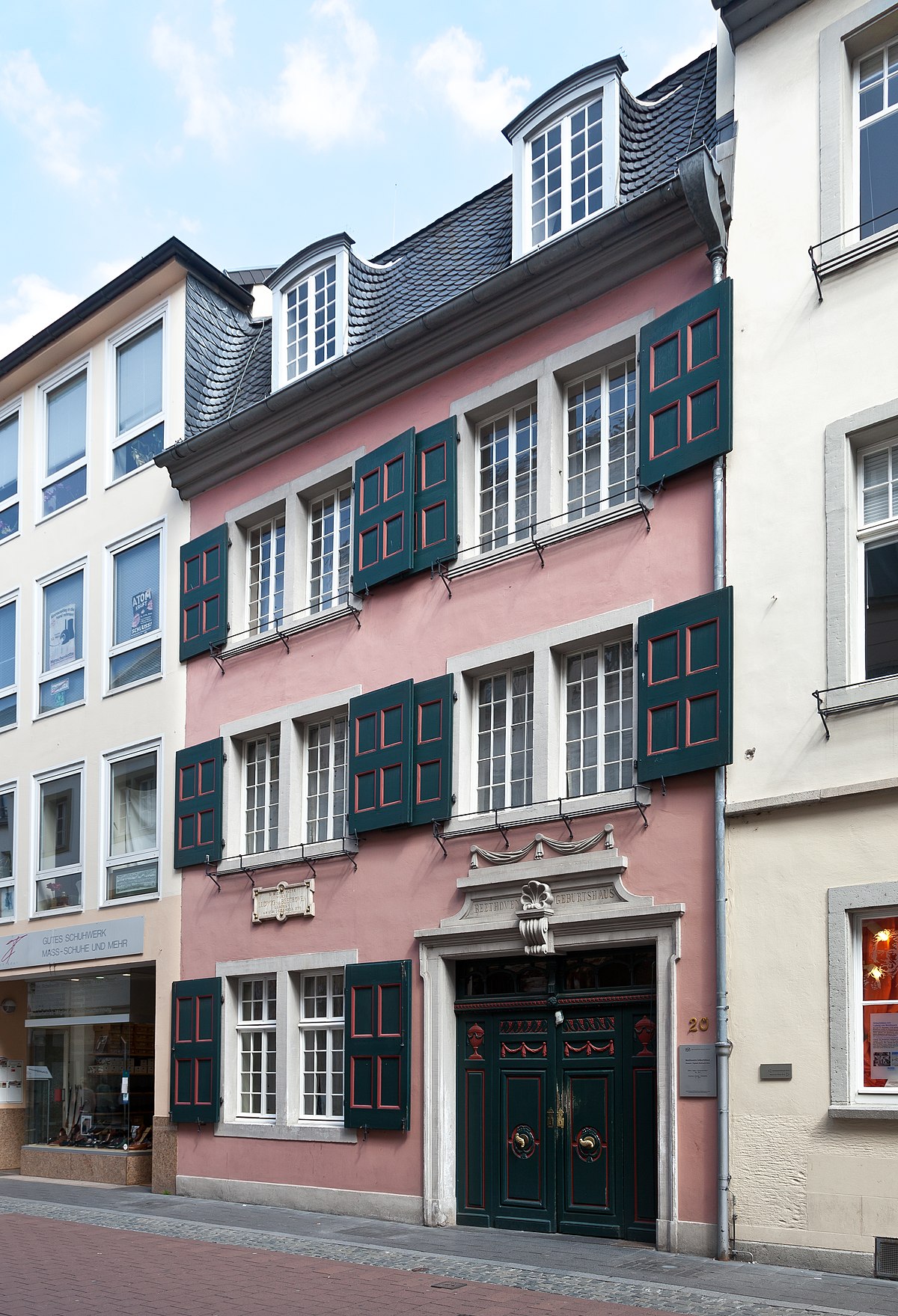
Beethoven House
📍 North Rhine-Westphalia, Germany
Beethoven House is a celebrated museum and the birthplace of Ludwig van Beethoven, one of the most influential composers in Western music history. …