Overview
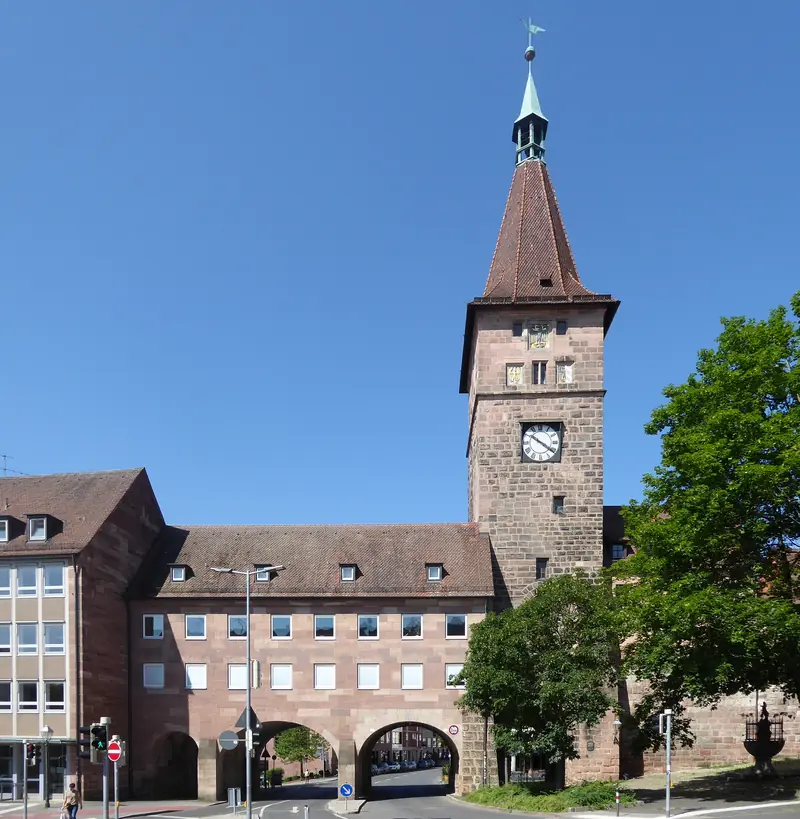
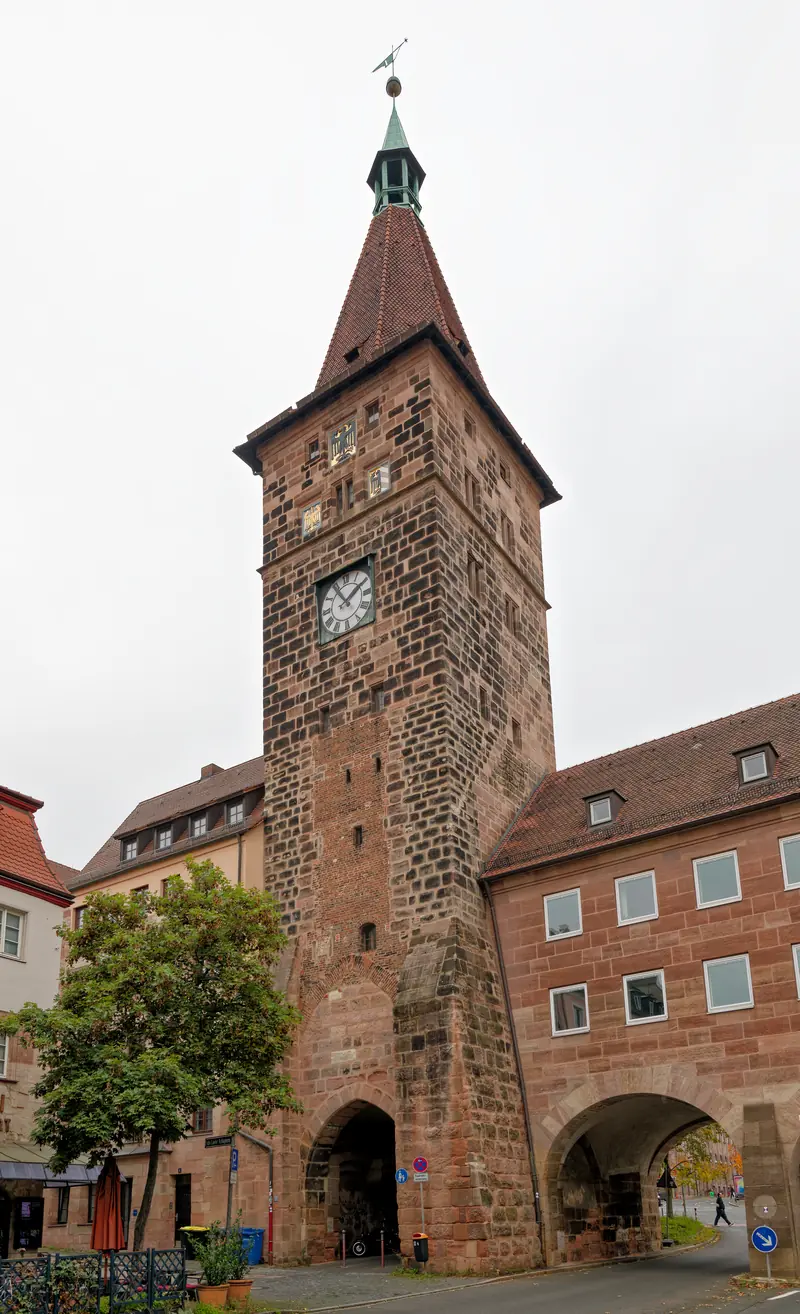
At the heart of Nuremberg lies the Innerer Laufer Platz 3a, a distinctive structure known as the Inneres Laufer Tor. This historic tower, nestled within the vibrant district of Nuremberg-Sankt Sebald, invites visitors to explore its architectural charm and historical significance. As a prominent feature of the city’s medieval fortifications, the Inneres Laufer Tor was not only a defensive stronghold but also a gateway into the bustling life of Nuremberg. With its intriguing past and striking presence, it serves as a portal to the city’s rich cultural heritage.
Nuremberg, located in the Franconia region of Bavaria, has long been a center of trade, politics, and culture. The Inneres Laufer Tor, part of the city’s former fortifications, symbolizes the strategic importance of Nuremberg in the Middle Ages and provides insight into its urban development. Visitors can appreciate the tower’s historical context while enjoying the surrounding urban landscape. Whether you are a history enthusiast, an architecture aficionado, or simply a curious traveler, a visit to the Inneres Laufer Tor promises an engaging experience in one of Germany’s most storied cities.
History and Significance
The Inneres Laufer Tor is a significant remnant of Nuremberg’s fortifications, which were constructed during a time when the city was a crucial hub in the Holy Roman Empire. As a defensive tower, it played a key role in protecting the city from potential invasions and served as a control point for those entering and exiting Nuremberg. The tower is part of a larger network of walls and towers that encircled the city, reflecting the medieval necessity for security and urban planning.
The fortifications of Nuremberg were built to adapt to the changing political landscape of the time, with the Inneres Laufer Tor symbolizing the city’s resilience and strategic importance. The tower’s design and construction methods provide insight into the architectural practices of the medieval period, showcasing the craftsmanship and ingenuity of builders from that era. Over the centuries, the Inneres Laufer Tor has witnessed significant events that have shaped Nuremberg’s identity, from trade fairs to military conflicts.
Although the specifics of its construction and modifications may be less documented, the tower remains a focal point for understanding the city’s historical narrative. As Nuremberg transformed through the Renaissance and into the modern era, the Inneres Laufer Tor has endured, offering a glimpse into the city’s past while continuing to serve as a monument of cultural significance.
Architecture and Features
The Inneres Laufer Tor is an impressive medieval tower that exemplifies the fortification style of its time. Its robust stone structure features thick walls designed to withstand attacks, showcasing the practical elements of military architecture. Visitors are greeted by the tower’s imposing facade, characterized by simple yet effective design elements that speak to its defensive purpose.
Notable features of the Inneres Laufer Tor include its arched entrance, which leads into the interior spaces once used for defensive measures. The tower’s height provides an excellent vantage point over the surrounding area, allowing for strategic observation of the city’s activities. The use of local stone in its construction not only enhances the visual appeal of the tower but also connects it to the geological heritage of the region.
While specific architectural details may vary, the overall design of the Inneres Laufer Tor reflects the functional needs of a city gate and the aesthetic considerations of the time. Visitors can appreciate the craftsmanship involved while imagining the historical context in which the structure was built.
Visiting Information
Visiting the Inneres Laufer Tor is a rewarding experience for anyone interested in history and architecture. The tower is centrally located in Nuremberg, making it accessible via various modes of transport. Public transportation options, including trams and buses, serve the area, providing convenient access for both locals and tourists.
When planning your visit, it is advisable to check the official website for current information regarding hours of operation and any potential admission fees. The best times to visit are typically during weekdays when there may be fewer crowds, allowing for a more intimate exploration of the site. Expect to spend around an hour to fully appreciate the tower and its surroundings, but those with a keen interest in historical architecture may wish to linger longer.
The surrounding area offers a lively atmosphere, with shops and cafés nearby where visitors can relax before or after their exploration. Be sure to check for any special events or exhibitions that may coincide with your visit, as these can enhance your experience.
Nearby Attractions
Nuremberg is rich in attractions, and a visit to the Inneres Laufer Tor can easily be combined with explorations of other nearby sites:
Nuremberg Castle: A short walk away, this impressive medieval castle complex offers stunning views of the city and a deep dive into Nuremberg’s history.
St. Sebaldus Church: Located close by, this historic church is known for its beautiful architecture and significant artworks, making it a worthwhile stop.
Documentation Center Nazi Party Rally Grounds: A short distance from the tower, this museum provides insight into Nuremberg’s more recent history, particularly during the Nazi era.
The Albrecht Dürer House: Situated not far from the Inneres Laufer Tor, this museum is dedicated to the life and work of the famed Renaissance artist who lived in Nuremberg.
The Hauptmarkt: This bustling market square is home to the famous Nuremberg Christmas Market and a variety of local shops and eateries, perfect for experiencing the city’s vibrant culture.
Insider Tips
For the best photography opportunities, consider visiting the Inneres Laufer Tor during the golden hours of sunrise or sunset. These times offer softer light that enhances the tower’s architectural features. To avoid larger crowds, aim for early morning visits on weekdays.
Additionally, explore the area surrounding the tower, as it often provides interesting angles and perspectives for capturing stunning images. Engage with local guides or informational displays to enrich your understanding of the site’s historical context.
Practical Information
When visiting the Inneres Laufer Tor, it’s advisable to bring comfortable walking shoes, as the surrounding area features cobblestone streets that may be uneven. Be prepared for varying weather conditions, especially if visiting during the cooler months. A light jacket or umbrella might be necessary.
Seasonal considerations can also influence your visit, as certain events and activities may be more prevalent during particular times of the year. Check local listings for any festivals or historical reenactments that might enhance your experience.
Frequently Asked Questions
How long should I spend visiting?
A visit typically takes around one hour, but history enthusiasts may want to spend additional time exploring the area.
Is photography allowed?
Yes, photography is generally permitted, so bring your camera to capture the tower and its surroundings.
Are there guided tours?
Check the official website for information on guided tour availability, as they can provide deeper insights into the tower’s history.
What’s the best time to visit?
Visiting during weekdays, especially in the morning, is recommended to avoid crowds.
Is it wheelchair accessible?
Check the official website for detailed accessibility options, as the site may have specific accommodations.
Can I buy tickets online?
Check the official website for information regarding ticket purchases, as options may vary.
Are there restrooms and cafes?
While specific amenities may vary, nearby cafés and facilities can be found in the surrounding area.
What should I wear?
Comfortable attire and walking shoes are recommended, with seasonal clothing tailored to the weather during your visit.
Photo Gallery