Overview
The Iller River, flowing through the picturesque region of Baden-Württemberg, Germany, serves as a significant right tributary of the Danube. This natural site is not just a geographical feature; it plays an important role in the local ecosystem and history. The river stretches its course through the charming landscapes of southern Germany, offering a tranquil retreat for nature lovers, adventurers, and those interested in the region’s cultural heritage. With its serene waters and the surrounding natural beauty, the Iller is a destination that promises a unique experience to visitors seeking to explore the harmony between nature and history.
The river’s gentle currents and scenic banks have made it a favored location for various outdoor activities, from hiking and cycling to fishing. As it meanders through the landscape, it also connects several small towns and villages, each with its own stories and traditions. The Iller not only enhances the natural beauty of the area but also serves as a vital resource for the communities it passes through, enriching their cultural and social fabric.
Visitors to the Iller can expect a multifaceted experience, combining the tranquility of nature with opportunities for exploration and connection to local heritage.
History and Significance
The Iller River has played a crucial role in the development of the surrounding regions throughout history. While specific historical dates are not extensively documented, the river has been a vital waterway for centuries, facilitating trade and transportation for local communities. Its waters have nourished the lands along its banks, supporting agriculture and sustaining the livelihoods of those who settled nearby.
The cultural significance of the Iller extends beyond its practical uses. The river has been a source of inspiration for artists and poets, who have captured its essence in various works. It is also intertwined with local folklore and traditions, often featuring in stories that celebrate the natural beauty and mystique of the German landscape.
As a significant tributary of the Danube, the Iller has contributed to the broader network of waterways that have historically connected various regions of Europe. This interconnectivity has fostered cultural exchanges and economic interactions, linking communities across borders. Today, the river continues to serve as a symbol of natural beauty and cultural heritage, attracting visitors who wish to appreciate its significance in both historical and contemporary contexts.
Architecture and Features
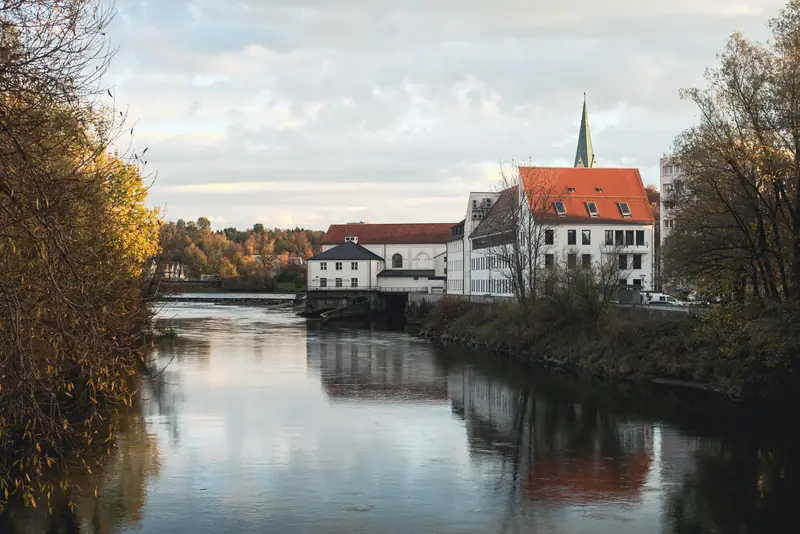
The Iller River is characterized by its gently flowing waters, framed by lush greenery and diverse ecosystems. The riverbed varies along its course, with sections that feature smooth, pebble-strewn banks and others where gentle slopes invite the growth of native flora. This diversity in landscape contributes to the vibrant wildlife that can be observed in and around the river, including various fish species and birdlife.
One of the notable features of the Iller is its importance in supporting local biodiversity. The surrounding areas are rich in plant and animal life, making it a prime location for nature enthusiasts and wildlife watchers. The river’s banks are often lined with willows and other vegetation, creating a shaded and inviting environment for visitors.
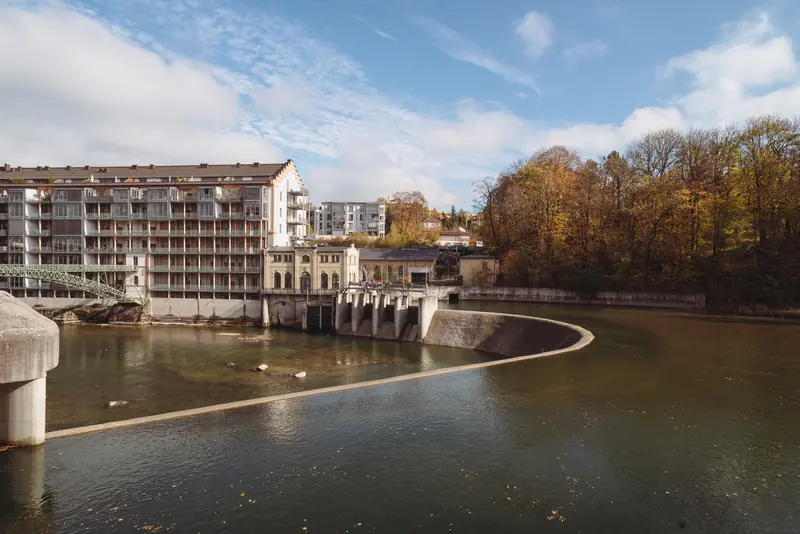
While the Iller itself may not be adorned with man-made architectural features, its significance lies in its natural beauty and the way it weaves through the landscape, influencing the architecture of the towns it touches. As towns and villages developed along its banks, many have retained their historical charm, with traditional buildings reflecting local architectural styles. This blend of natural and human-made elements enhances the overall experience for those who explore the area.
Visiting Information
Visiting the Iller offers a chance to engage with nature and explore the surrounding landscapes. Access to the river is generally straightforward, with several pathways and trails available for walking, biking, or simply enjoying a leisurely stroll.
For those planning a visit, it is advisable to check the official website for current information regarding access points, hours of operation, and any seasonal events. Visitors can expect to spend anywhere from a few hours to a full day exploring the river and its surroundings, depending on their interests and planned activities. The best times to visit are typically during the spring and summer months when the weather is pleasant, and the flora is in full bloom.
Whether you are looking to relax by the riverbank or engage in more active pursuits such as hiking or cycling, the Iller provides a serene backdrop for a day of exploration. Be prepared for varying weather conditions, and consider bringing along provisions for a picnic to enhance your experience.
Nearby Attractions
While the Iller is a destination in its own right, several nearby attractions can complement your visit:
Ulm Minster: Located a short distance from the Iller, this stunning Gothic church is renowned for having the tallest steeple in the world. The intricate architecture and historical significance make it a must-see.
Wiblingen Abbey: This former Benedictine monastery is nearby and offers a glimpse into monastic life with its impressive Baroque architecture and beautiful gardens.
Blaubeuren: A small town famous for its blue lake, Blautopf, which is a popular site for hiking and photography. The town also features historic buildings and a charming atmosphere.
The Danube River: As the Iller is a tributary, a visit to the nearby Danube offers additional opportunities for river-based activities and scenic views.
Legoland Deutschland Resort: For families, this theme park located a short drive from the Iller provides entertainment and fun activities for visitors of all ages.
Insider Tips
To make the most of your visit to the Iller, consider the following tips:
Photography: The best times for photography are early morning or late afternoon when the light is soft, creating beautiful reflections on the water. Bring a zoom lens if you wish to capture wildlife.
Crowd Avoidance: While the river can attract visitors, exploring less popular access points or visiting during weekdays can lead to a more tranquil experience.
Engage Locally: Take the time to interact with locals in nearby towns. They can share stories and insights that enrich your understanding of the river’s significance.
Practical Information
When preparing for your visit to the Iller, keep in mind the following practical considerations:
What to Bring: Essential items include comfortable walking shoes, sunscreen, water, snacks, a camera, and any outdoor gear for activities you plan to undertake.
Seasonal Considerations: The best time to visit is during the warmer months. If visiting in autumn or winter, be prepared for cooler temperatures and possible weather changes that may affect outdoor activities.
Local Regulations: Familiarize yourself with local regulations regarding fishing, swimming, or other activities you may wish to undertake in or around the river.
Frequently Asked Questions
How long should I spend visiting?
Depending on your interests, a visit can range from a few hours to a full day.
Is photography allowed?
Yes, photography is typically permitted, and many scenic spots offer excellent opportunities for capturing the river and surrounding landscapes.
Are there guided tours?
Currently, there is no specific information on guided tours. Check local resources for any available options.
What’s the best time to visit?
The ideal times are during the spring and summer months when the weather is pleasant.
Is it wheelchair accessible?
Accessibility information may vary, so check local resources for specific details on access points along the river.
Can I buy tickets online?
Access to the river itself is generally free, but check the official website for any specific attractions along the way that may require tickets.
Are there restrooms and cafes?
Facilities may be limited along the riverbanks; it’s advisable to plan ahead and utilize amenities in nearby towns.
What should I wear?
Comfortable clothing and shoes suitable for outdoor activities are recommended, along with layers for potential weather changes.
Photo Gallery