
Hute in Bühren
Overview
Hute in Bühren, situated in the district of Göttingen, Lower Saxony, is a cultural landscape that reflects the harmonious relationship between agriculture and forest ecosystems. This unique silvopasture environment showcases the integration of tree cultivation with livestock grazing, promoting biodiversity and sustainable land management. The landscape is not only significant for its agricultural practices but also serves as a vital space for local wildlife and a picturesque setting for visitors seeking to connect with nature and heritage.
With coordinates placing it in the Dransfeld region, Hute invites exploration from those interested in sustainable practices and the cultural narratives that shape rural landscapes in Germany. As you wander through this area, you will discover an array of flora and fauna, alongside a deep-rooted history that underscores the importance of land stewardship. Hute stands out as a remarkable example of how human activity can coexist with natural ecosystems, making it a significant point of interest for both environmental enthusiasts and cultural historians.
History and Significance
The cultural landscape of Hute is a testament to traditional agricultural practices that have evolved over generations. Silvopasture, the method of combining trees, livestock, and pasture, is an ancient practice that has been employed in various forms throughout Europe. In Bühren, this technique has been particularly significant, allowing for sustainable land use that fosters both agricultural productivity and ecological health.
The significance of Hute extends beyond its agricultural practices; it reflects a cultural heritage that is deeply intertwined with the social and economic history of the region. Historically, the management of land in this area has provided livelihoods for local communities while also contributing to the preservation of biodiversity. The combination of grazing animals and trees creates a microhabitat that supports various species, enhancing the ecological network within the landscape.
Furthermore, the area is emblematic of the broader agricultural policies that have been shaped by the interplay of environmental stewardship and economic needs. Hute serves as a case study for those interested in sustainable agriculture, showcasing how traditional methods can yield benefits for both farmers and the environment. The ongoing management of this landscape is vital to maintaining its ecological integrity and cultural significance, making it a critical site for both education and conservation.
Architecture and Features
The landscape of Hute is characterized by its striking array of trees interspersed with grazing pastures. This design not only enhances the aesthetic appeal of the area but also serves practical purposes, such as providing shade for livestock and creating diverse habitats. The architecture of the landscape is not defined by buildings but rather by the careful arrangement of natural elements that together create a functional and vibrant ecosystem.
Visitors will notice the varied tree species that contribute to the silvopasture system, each playing a role in supporting wildlife and maintaining soil health. The gentle undulations of the land create a dynamic topography that adds to the visual charm of the area. The open spaces allow for unobstructed views of the landscape, making it an ideal setting for leisurely walks and exploration.
While there may not be traditional structures to observe, Hute’s natural features are its main attractions. The interplay of light through the trees, the sounds of grazing animals, and the diversity of plant life create an immersive experience for visitors. This landscape is a living example of agricultural innovation and environmental stewardship, inviting contemplation and appreciation of the intricate connections between land use and ecological health.
Visiting Information
Hute in Bühren is accessible by various means of transportation, making it easy for visitors to explore this cultural landscape. Travelers can reach the site by car, with parking available nearby. Public transport options may also exist, but it is advisable to check local schedules for the most convenient routes.
When planning your visit, it is recommended to check the official website for current information regarding opening hours and any potential entry fees. The landscape is best experienced at a leisurely pace, allowing for ample time to observe the flora and fauna, as well as to engage with the surroundings. A visit of approximately two to three hours is suggested to fully appreciate the area.
The best times to visit Hute are during the spring and early autumn when the weather is mild, and the landscape is at its most vibrant. These seasons allow for comfortable exploration and the chance to witness the changing colors and activities of wildlife.
Nearby Attractions
While Hute offers a rich experience in itself, there are several nearby attractions that enhance the visit to the region:
Dransfeld Village: Just a short distance away, this charming village features local shops and eateries, providing insight into the rural lifestyle of the area.
Göttingen: Known for its historic university, Göttingen is a vibrant city filled with cultural institutions, parks, and walking paths that reflect its academic heritage.
Botanical Garden of Göttingen University: A serene space showcasing a variety of plant species and landscapes, perfect for those interested in botany and horticulture.
Bismarckturm: A historic observation tower located nearby, offering panoramic views of the surrounding landscape, a great spot for photography and relaxation.
Kalkberg: A nearby geological formation that provides opportunities for hiking and exploring the natural beauty of the region.
Insider Tips
To capture the essence of Hute, photography enthusiasts should plan their visit during the golden hours of early morning or late afternoon. The soft light during these times enhances the landscape’s natural beauty, creating stunning images.
To avoid crowds, consider visiting on weekdays or during the early hours on weekends. This will allow for a more tranquil experience, where you can fully immerse yourself in the serene environment without distractions.
Consider bringing a picnic to enjoy amidst the picturesque landscape; there are plenty of spots that provide a peaceful setting for a meal surrounded by nature.
Practical Information
When visiting Hute, it’s advisable to wear comfortable clothing and sturdy footwear, as the terrain may vary. Depending on the season, layers are recommended to accommodate changing weather conditions.
It is also wise to bring along essentials such as water, snacks, and a camera to document your experience. A map or a guidebook can enhance your understanding of the area, particularly if you’re interested in its ecological aspects.
Seasonal considerations include checking the weather forecast before your trip, especially during the winter months, when conditions may affect accessibility. Spring and autumn are ideal for enjoying the vibrant colors and mild weather, while summer offers a lush landscape perfect for exploration.
Frequently Asked Questions
How long should I spend visiting?
A visit of approximately two to three hours is ideal to fully appreciate the landscape and its features.
Is photography allowed?
Yes, photography is encouraged, especially in the early morning or late afternoon for the best lighting.
Are there guided tours?
Check the official website for current information on guided tour availability.
What’s the best time to visit?
Spring and early autumn are recommended for comfortable weather and vibrant scenery.
Is it wheelchair accessible?
Check the official website for specific accessibility information.
Can I buy tickets online?
Please verify on the official website for details regarding ticket purchases.
Are there restrooms and cafes?
Check the official website for the availability of amenities such as restrooms and cafes.
What should I wear?
Comfortable clothing and sturdy footwear are recommended, with layers for changing weather conditions.
Hute in Bühren offers a unique opportunity to engage with a landscape that embodies sustainable practices and cultural heritage. Whether you are an environmental enthusiast, a history buff, or simply seeking a peaceful retreat, this cultural landscape promises an enriching experience.
Visit Information
Quick Facts
- Heritage Type
- Cultural Landscape
- Region
- Hesse
- Wikidata ID
- Q101094315
More in Hesse

Abri IX
📍 Hesse, Germany
Abri IX is an archaeological site located in Gleichen, Germany, that captures the essence of human history through its fascinating remnants. This site …

Ackerbürgermuseum Haus Leck
📍 Hesse, Germany
Ackerbürgermuseum Haus Leck is a culturally significant museum located in Germany’s Grebenstein region, dedicated to preserving and showcasing the …

Actien-Brauerei Homburg v. d. Höhe
📍 Hesse, Germany
Actien-Brauerei Homburg v. d. Höhe is a significant historical brewery located in Bad Homburg vor der Höhe, Germany. This former brewery is a …

Active Museum Spiegelgasse
📍 Hesse, Germany
Active Museum Spiegelgasse is a vital institution dedicated to preserving and exploring the German-Jewish history of Wiesbaden, Germany. Located in …

Adornodenkmal
📍 Hesse, Germany
Adornodenkmal, a prominent monument located in Frankfurt am Main, Germany, serves as a significant cultural landmark that encapsulates the spirit of …
Affentor
📍 Hesse, Germany
Affentor, the southernmost of the medieval city gates of Frankfurt am Main, serves as a historical marker of the city’s rich past and architectural …
More Cultural Landscapes

Altes Land
📍 Lower Saxony, Germany
Altes Land, located in northern Germany, is a remarkable cultural landscape that reflects the unique agricultural heritage and traditional practices …

Altmark
📍 Brandenburg, Germany
The Altmark region, located in the northwestern part of Saxony-Anhalt, Germany, offers a unique glimpse into a cultural landscape shaped by centuries …
Annaberg-Frohnau Mining Landscape
📍 Bavaria, Germany
The Annaberg-Frohnau Mining Landscape, located in Germany, represents a significant chapter in the story of European industrial heritage. This …
Buchholz Mining Landscape
📍 Bavaria, Germany
The Buchholz Mining Landscape, located in Germany, is a remarkable cultural landscape that offers a glimpse into the historical significance of mining …
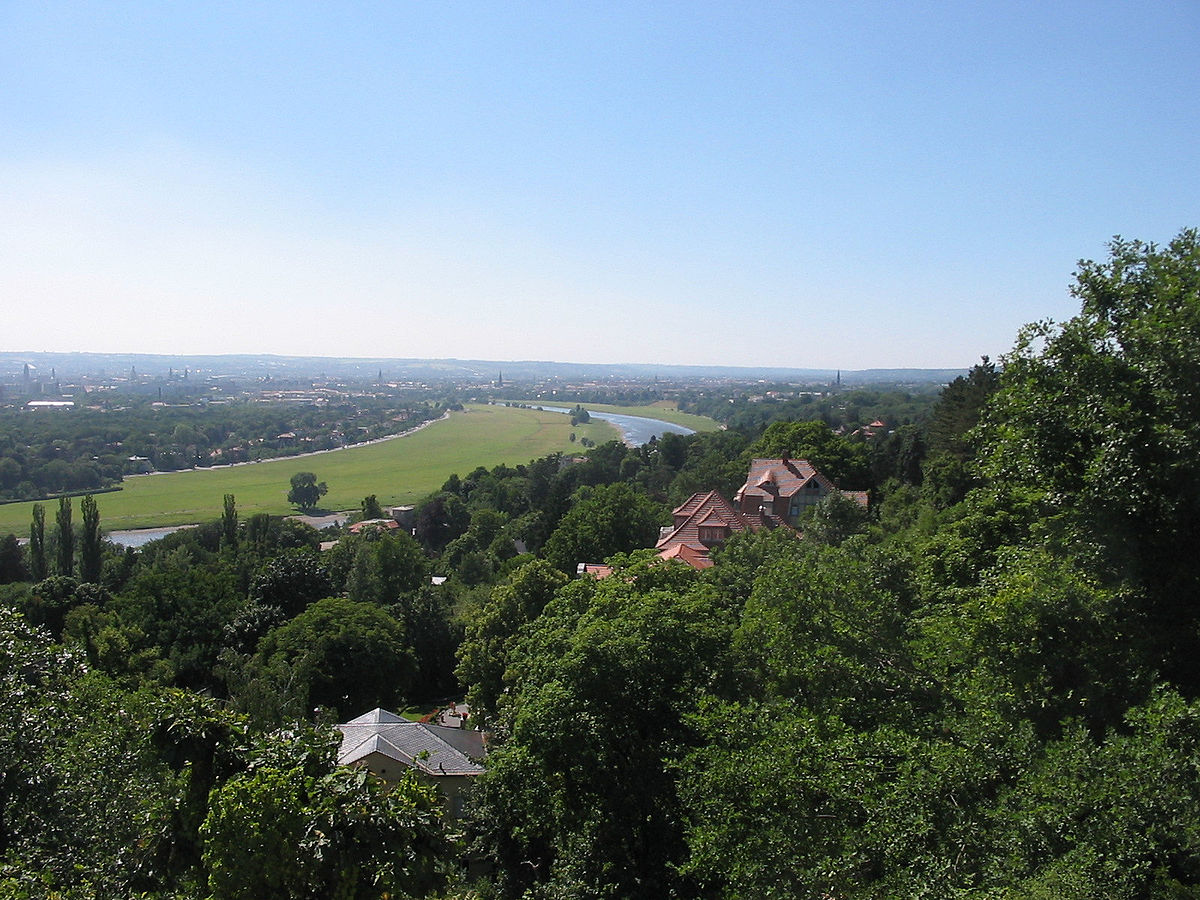
Dresden Elbe Valley
📍 Saxony, Germany
The Dresden Elbe Valley, a UNESCO World Heritage Site, is a cultural landscape that reflects the rich historical and artistic heritage of Saxony, …
Ehrenfriedersdorf Mining Landscape
📍 Saxony, Germany
The Ehrenfriedersdorf Mining Landscape, a significant cultural landscape in Germany, invites visitors to explore a rich history of mining that has …