Overview
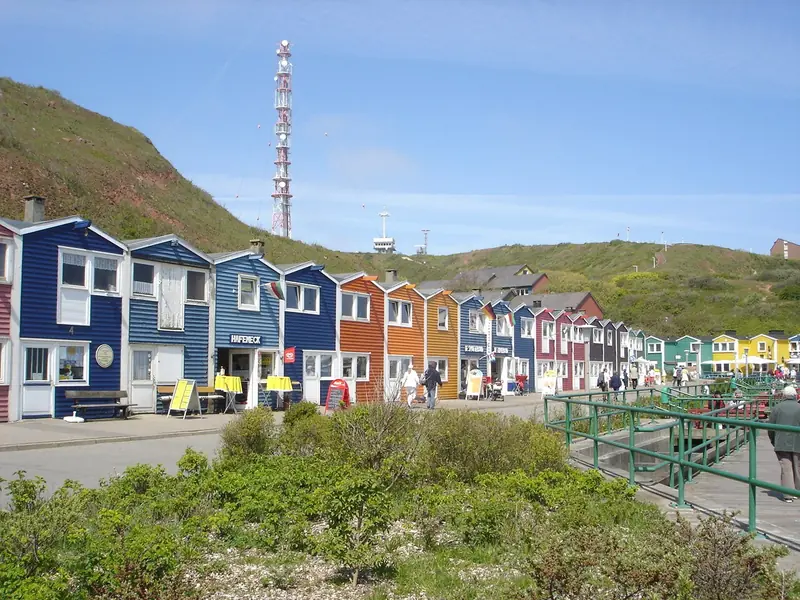
Hummerbuden, a captivating history museum located on the island of Helgoland in Germany, offers visitors a unique glimpse into the maritime culture that has shaped this isolated yet significant locale. Known for its distinctive, historic buildings that once served as fishermen’s residences, Hummerbuden provides a window into the life and traditions of those who have long made their living from the sea. The museum serves not only as a repository of historical artifacts but also as a cultural hub for understanding the evolution of the island’s fishing community.
Situated in the North Sea, Helgoland is renowned for its dramatic cliffs and rich biodiversity, making it a noteworthy destination for both history enthusiasts and nature lovers alike. Hummerbuden stands at the intersection of these two worlds, presenting an engaging narrative that captures the essence of island life. Visitors can expect to immerse themselves in the stories and traditions of Helgoland’s inhabitants, gaining insights into their resilience and adaptability amidst the challenges of maritime life.
As you explore Hummerbuden, the museum promises to enrich your understanding of Helgoland’s heritage, highlighting its importance in the broader context of German maritime history.
History and Significance
The history of Hummerbuden is closely linked to the fishing industry that has sustained Helgoland for generations. The museum is housed within historically styled buildings that reflect the architectural traditions of local fishermen. These structures were not only homes but also symbolize the community’s close relationship with the North Sea, embodying the struggles and triumphs of the islanders.
Fishing has been a cornerstone of Helgoland’s economy, with the island serving as a vital hub for the industry. The fishermen of Helgoland developed unique methods and tools tailored to the challenges of the North Sea, some of which are highlighted within the museum. Exhibits at Hummerbuden offer visitors a chance to learn about traditional fishing techniques, seasonal practices, and the impact of environmental changes on the fishing community.
Beyond its role as a museum, Hummerbuden serves as a cultural touchstone for the island. It reflects the collective memory of Helgoland’s residents and their enduring connection to the sea. By preserving and sharing these stories, Hummerbuden plays an essential role in fostering a sense of identity and continuity among the islanders, ensuring that the heritage of fishing on Helgoland is not forgotten.
Architecture and Features
Hummerbuden is characterized by its historic architecture, which features traditional designs consistent with the fishing culture of Helgoland. The buildings are constructed with local materials and showcase craftsmanship that has been passed down through generations. Visitors will notice the charming wooden structures that evoke a sense of nostalgia and reflect the island’s coastal lifestyle.
One of the notable features of Hummerbuden is its attention to detail in the preservation of maritime artifacts. Inside the museum, exhibits display a variety of fishing gear, tools, and other items that illustrate the daily life of fishermen. The layout of the museum encourages exploration, allowing visitors to engage with the exhibits at their own pace.
The museum’s design not only serves a functional purpose but also creates an inviting atmosphere that enhances the overall visitor experience. The combination of historical architecture and thoughtfully curated exhibits makes Hummerbuden a compelling destination for anyone interested in maritime history and culture.
Visiting Information
Hummerbuden is accessible via various means of transport, with the most common route being by ferry from the mainland. The scenic boat ride offers a pleasant introduction to Helgoland, setting the stage for your visit. Once on the island, the museum is conveniently located within walking distance from the ferry terminal.
Visitors should check the official website for current information regarding opening hours and ticket prices, as these may vary by season. It is advisable to allocate sufficient time for your visit, as exploring the museum and engaging with its exhibits can take anywhere from one to two hours.
The best times to visit Hummerbuden are during the warmer months when the weather is more favorable for travel and outdoor activities. However, the museum can be enjoyed year-round, and each season offers its own unique charm on Helgoland.
Nearby Attractions
While exploring Helgoland, several nearby attractions complement your visit to Hummerbuden:
- Lange Anna: This iconic sea stack is one of Helgoland’s most photographed landmarks and offers stunning views of the surrounding waters.
- Helgoland Aquarium: A short walk from the museum, this aquarium showcases local marine life, providing an educational experience about the North Sea ecosystem.
- The historic Spitzbergen: An area of cultural significance, where visitors can appreciate the island’s architectural heritage and scenic landscapes.
- Bird Watching Cliffs: Helgoland is a prime location for bird watching, especially during migration seasons when various seabirds can be spotted.
- Düne Island: A short ferry ride away, Düne offers beautiful sandy beaches and opportunities for relaxation and swimming.
Insider Tips
For those keen on photography, early mornings or late afternoons provide the best lighting conditions for capturing the museum’s unique architecture and the picturesque surroundings of Helgoland. Additionally, visiting during the weekdays can help avoid crowds, allowing for a more intimate experience within the museum.
Be sure to ask museum staff about any upcoming events or special exhibitions that may enhance your visit. Engaging with knowledgeable staff can provide insights that enrich your understanding of the exhibits.
Practical Information
When planning your visit to Hummerbuden, be sure to bring comfortable walking shoes, as exploring the museum and its surroundings involves some walking. Depending on the season, it may be wise to dress in layers, as coastal weather can be unpredictable.
If you plan to visit during the summer months, consider bringing sun protection, while in the winter, a warm coat is advisable. Always check the official website for any seasonal considerations or specific recommendations before your visit.
Frequently Asked Questions
How long should I spend visiting?
A typical visit to Hummerbuden takes about one to two hours, allowing ample time to explore the exhibits and enjoy the museum’s atmosphere.
Is photography allowed?
Photography is typically permitted in the museum, but be sure to check for any specific restrictions or guidelines upon your arrival.
Are there guided tours?
While specific information about guided tours isn’t provided, it’s worth inquiring at the museum, as staff may offer insights or group tours depending on the day.
What’s the best time to visit?
The best time to visit Hummerbuden is during the warmer months when the weather is more favorable for travel and outdoor activities, although the museum is open year-round.
Is it wheelchair accessible?
Check the official website for current accessibility options and accommodations at the museum.
Can I buy tickets online?
For ticket purchasing options, please refer to the official website, as it may provide online ticket sales or details on how to acquire tickets on-site.
Are there restrooms and cafes?
Facilities, including restrooms and potential cafés, can be found within or near the museum. Check the official website for specific amenities available during your visit.
What should I wear?
Wear comfortable clothing and footwear suitable for walking. Depending on the season, layers may be advisable to accommodate varying weather conditions.