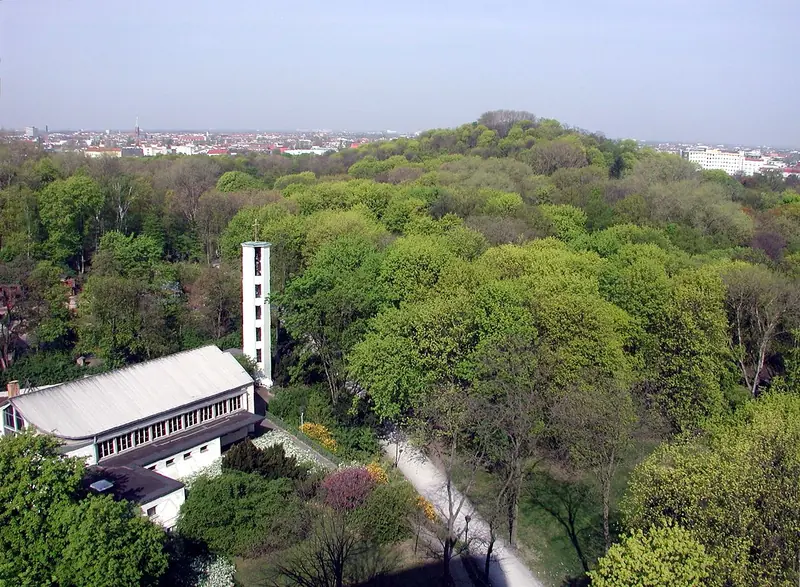
Overview
Humboldthain is a vibrant urban park located in the heart of Berlin, Germany. This green space offers a refreshing escape from the bustling city life, inviting visitors to unwind amidst lush greenery and well-maintained pathways. Situated at the coordinates 52.547222222, 13.386111111, the park serves as a significant recreational area for both locals and tourists, providing a perfect setting for leisurely strolls, picnics, or simply enjoying nature. Its wide-open spaces and diverse flora make it an essential part of the urban landscape, emphasizing the importance of green areas in city planning and public health.
As a public park, Humboldthain not only enhances the aesthetic appeal of Berlin but also enriches the city’s cultural and social fabric. Visitors can immerse themselves in the local atmosphere while engaging in various activities, from jogging to casual gatherings. The park’s significance extends beyond mere recreation; it serves as a communal hub where people from various backgrounds come together, fostering a sense of community in an ever-evolving urban environment.
Whether you are looking to relax or engage in more active pursuits, Humboldthain promises an enriching experience that reflects the balance between nature and urban life.
History and Significance
Humboldthain’s history is intertwined with Berlin’s development, showcasing the city’s evolution over time. Originally, the area was part of the northern outskirts of Berlin, which underwent significant changes in the 19th century. As the city expanded, the need for green spaces became evident, leading to the establishment of parks that catered to the growing population.
The park’s name pays homage to the renowned German naturalist and explorer Alexander von Humboldt, who contributed immensely to our understanding of natural sciences. His legacy is reflected in the park’s design, which emphasizes the relationship between nature and the urban environment. The establishment of Humboldthain as a public park was part of a broader movement across Europe in the late 19th century, advocating for the creation of green spaces in urban areas to improve public health and wellbeing.
Humboldthain has also served various purposes throughout its history. It has witnessed events and gatherings that reflect the sociopolitical climate of Berlin. The park’s role as a gathering place continues today, where people come together for leisure, exercise, and community events. This blend of history and modern use underscores the park’s continuing relevance in Berlin’s social landscape.
Architecture and Features
Humboldthain is characterized by its thoughtful design and varied features that cater to a range of activities. The park is laid out with winding pathways that encourage exploration, leading visitors through different areas of greenery and recreational spaces. One notable feature of Humboldthain is its elevated terrain, providing gentle hills and slopes that enhance the landscape’s visual appeal.
The park incorporates various flora, with an emphasis on native species that contribute to local biodiversity. This commitment to native planting not only enhances the park’s aesthetic but also supports local wildlife, making it a vital habitat within the urban setting. Visitors can expect to encounter a mix of open lawns, shaded groves, and flowerbeds that change with the seasons, offering a dynamic environment throughout the year.
In addition to its natural features, Humboldthain is equipped with facilities that enhance the visitor experience, including seating areas, sports facilities, and playgrounds for children. These elements make the park a multifunctional space where families, fitness enthusiasts, and nature lovers can all find something to enjoy.
Visiting Information
Visiting Humboldthain is straightforward, with various transportation options available. Public transport is highly accessible, and visitors can easily reach the park via nearby bus and train stations. For those driving, there may be limited parking available in the vicinity, so it is advisable to check local parking regulations.
As for what to expect during your visit, the park is generally open to the public, allowing for a leisurely experience. While specific hours and any potential entry fees may vary, it is best to check the official website for current information before planning your visit.
The park is ideal for a range of activities, whether you wish to spend a few hours exploring the trails, enjoying a picnic, or participating in outdoor sports. Depending on the season, visitors may find different attractions, such as blooming flowers in spring or vibrant foliage in autumn. A visit can be as short as an hour or extend to a full day, especially if you plan to participate in recreational activities.
The best times to visit Humboldthain are during the milder months of spring and autumn when the weather is pleasant, and the park is at its most beautiful. Summer can also be enjoyable, but visitors should be prepared for larger crowds and warmer temperatures.
Nearby Attractions
Humboldthain is conveniently located near several noteworthy attractions that complement your visit to the park. Here are a few suggestions:
Mauerpark: Just a short distance away, Mauerpark is famous for its vibrant flea market and open-air karaoke sessions, providing a lively atmosphere and a great place to experience Berlin’s culture.
Berlin Wall Memorial: Located nearby, this site offers a poignant reminder of the city’s divided past, featuring an open-air exhibition and preserved sections of the Berlin Wall.
Kollwitzplatz: This charming square in the Prenzlauer Berg district is surrounded by cafes and shops, making it an ideal spot for a coffee break or a leisurely meal after your time in the park.
Museum für Naturkunde: A little further afield, this natural history museum is home to fascinating exhibits, including the world’s largest dinosaur skeleton, appealing to both adults and children alike.
Prenzlauer Berg: This vibrant neighborhood features a mix of historical architecture, trendy cafes, and boutique shops, offering a glimpse into Berlin’s contemporary lifestyle.
Insider Tips
To make the most of your visit to Humboldthain, consider these insider tips:
Photography: The park offers a variety of picturesque spots perfect for capturing nature and candid moments. Early mornings or late afternoons provide the best natural light for photography.
Crowd Avoidance: To enjoy a quieter experience, visit during weekdays or early in the morning. Weekends tend to attract larger crowds, especially in the summer months.
Plan Activities: Consider bringing along games or sports equipment, as the park has ample space for activities like frisbee or soccer, making it a fun outing for families.
Practical Information
When visiting Humboldthain, it’s essential to come prepared. Here are some practical considerations:
What to Bring: Pack comfortable walking shoes, a picnic blanket, and any necessary sports equipment. Sunscreen and water are also recommended, especially during warmer months.
Seasonal Considerations: Each season brings a unique experience to the park. Spring and summer highlight vibrant flowers and greenery, while autumn offers stunning foliage. Winter may see fewer visitors, but the park can still provide a peaceful setting for a walk.
Safety: As with any public space, be mindful of your belongings and stay aware of your surroundings, particularly during busier times.
Frequently Asked Questions
How long should I spend visiting?
A visit to Humboldthain can range from one hour to a full day, depending on your interests and activities planned.
Is photography allowed?
Yes, photography is permitted throughout the park. Early mornings or late afternoons provide the best lighting for capturing beautiful images.
Are there guided tours?
Currently, there are no formal guided tours of Humboldthain, but visitors can explore the park at their own pace.
What’s the best time to visit?
The best times to visit are during the spring and autumn months when the weather is mild and the natural scenery is particularly beautiful.
Is it wheelchair accessible?
Yes, Humboldthain is generally accessible for visitors with mobility challenges, with pathways designed for ease of movement.
Can I buy tickets online?
Access to the park is free, so there are no tickets to purchase. It is advisable to check the official website for any potential updates regarding special events that may require tickets.
Are there restrooms and cafes?
While specific facilities are not detailed, parks of this nature typically have restrooms available. For cafes, it’s best to explore nearby areas after your park visit.
What should I wear?
Dress comfortably and in layers, especially if you’re visiting during transitional seasons. Comfortable walking shoes are a must for exploring the park’s pathways.
Humboldthain is a delightful urban park that captures the essence of Berlin’s dedication to green spaces, making it a worthwhile visit for anyone exploring the city. Whether you’re looking to relax, engage in sports, or simply enjoy nature, this park offers a refreshing break from the urban landscape.