Overview
Hügelgräber-Heide bei Kirchlinteln is a nature reserve situated in the tranquil landscapes of Lower Saxony, Germany. This area is characterized by its unique geological formations known as burial mounds, or Hügelgräber, which date back to prehistoric times. These mounds provide insight into the burial practices and cultural significance of the communities that once inhabited this region. The reserve is not only a haven for natural beauty but also serves as an important archaeological site that invites exploration and reflection.
As you wander through the expansive heathland, you will encounter a diverse array of flora and fauna, creating an enriching environment for nature lovers and cultural enthusiasts alike. The tranquility of the landscape combined with the historical echoes of ancient rituals makes Hügelgräber-Heide a compelling destination for those seeking to connect with both nature and history.
History and Significance
The Hügelgräber, or burial mounds, found within this nature reserve are vital archaeological features that speak to the area’s long-standing human occupation. These mounds represent the burial practices of communities that thrived in the region thousands of years ago. While specific dates of their construction may not be documented, they are believed to originate from the Bronze Age, suggesting that the site has been significant for millennia.
The importance of these mounds extends beyond their physical presence; they symbolize the spiritual beliefs and social structures of ancient peoples. Archaeological studies have revealed artifacts such as pottery and tools, which offer insights into the daily lives of these early inhabitants. The presence of these burial sites indicates a society that had developed complex rituals surrounding death and remembrance, emphasizing the cultural significance of honoring ancestors.
In addition to their archaeological value, Hügelgräber-Heide serves as a natural habitat for various species, contributing to biodiversity. The interplay of nature and history at this site enriches our understanding of how human activity has shaped and been shaped by the environment over time. As a protected nature reserve, it underscores the importance of preserving both natural and cultural heritage for future generations.
Architecture and Features
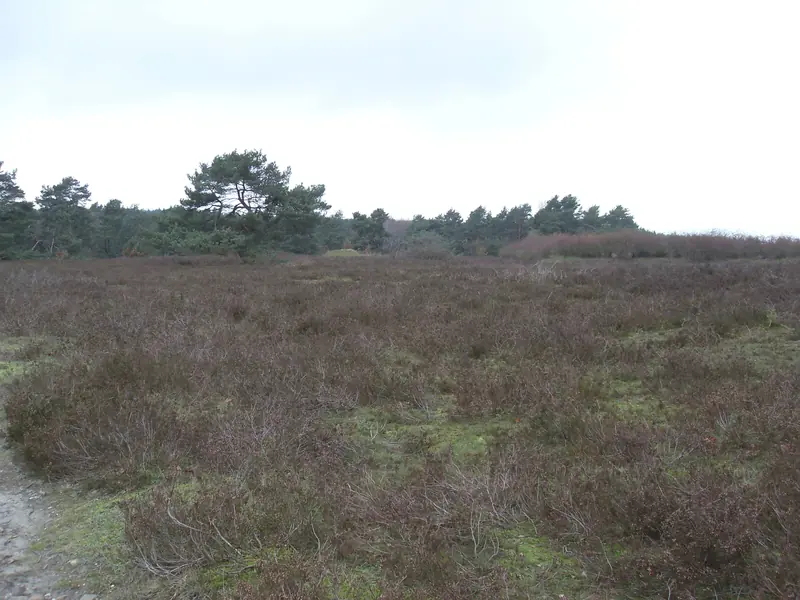
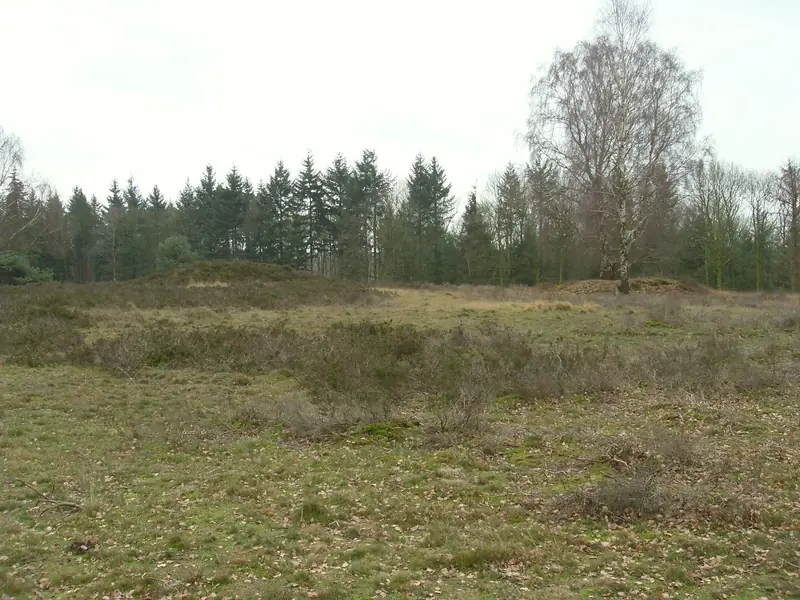
Hügelgräber-Heide bei Kirchlinteln is distinguished by its notable burial mounds, which vary in size and shape. These mounds are constructed from earth and stone, forming prominent features in the landscape. The structures are often surrounded by heather and grass, creating a stark contrast against the natural backdrop.
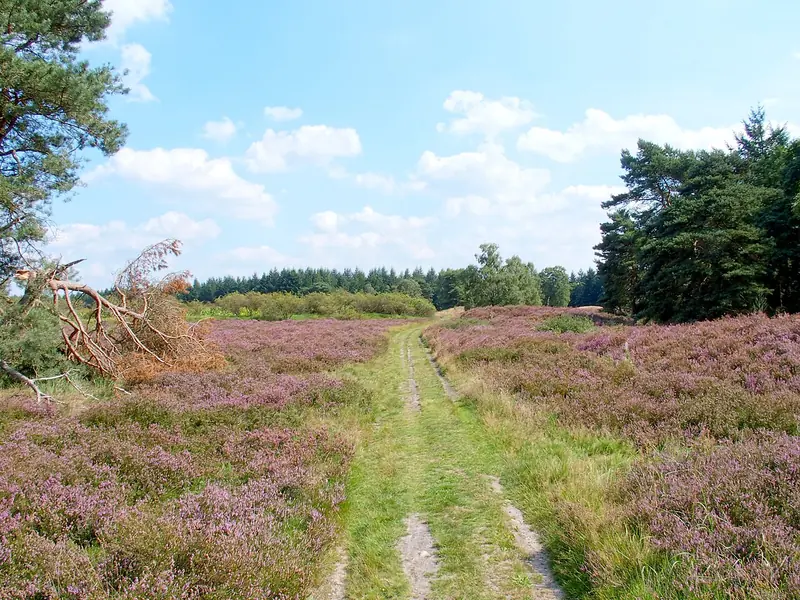
The landscape itself is characterized by heathland, an ecosystem that supports a variety of plant species, including heather, grasses, and wildflowers. This unique habitat attracts numerous bird species and small mammals, making it an excellent location for wildlife observation. The mounds are typically arranged in clusters, which may suggest social or communal practices among the ancient populations that created them.
As you explore the reserve, you may also encounter trails that wind through the heath, offering visitors an up-close experience with both the natural and archaeological elements of the area. The simplicity of the landscape allows for a focus on the mounds, which are often the focal point of the reserve.
Visiting Information
Hügelgräber-Heide bei Kirchlinteln is accessible to visitors, making it a suitable destination for those interested in nature and history. The best way to reach the reserve is by car, as it is located within the scenic countryside of Lower Saxony. For public transportation options, check local schedules as they may vary.
When planning your visit, it is advisable to check the official website for current information regarding opening hours and entrance fees. The reserve encourages guests to explore at their own pace, so allocate sufficient time to enjoy the tranquility and learn about the historical significance of the mounds.
The ideal time to visit is during the spring and early autumn months when the heather is in bloom, and the weather is generally mild. This allows for comfortable walking conditions and enhances the overall experience of the landscape.
Expect to spend a few hours wandering the trails, taking photographs, and reflecting on the historical context of the site. The calm environment provides an excellent backdrop for relaxation and contemplation.
Nearby Attractions
Kirchlinteln Village: A charming village nearby, featuring traditional architecture and local shops. It’s an excellent spot to experience local culture and cuisine.
Lüneburg Heath Nature Reserve: A larger nature reserve known for its stunning heath landscapes, diverse wildlife, and hiking opportunities.
Walsrode Bird Park: One of the largest bird parks in the world, home to numerous species of birds. This attraction offers an interactive experience for families and nature enthusiasts.
Burgdorf Castle: A historic castle located not far from the reserve, showcasing medieval architecture and offering guided tours.
Celle Old Town: Renowned for its half-timbered houses and charming streets, this town provides a glimpse into traditional German culture and history.
Insider Tips
For photography enthusiasts, the best light for capturing the landscape is during the early morning or late afternoon. The soft, golden hour light enhances the natural beauty of the heath and the mounds.
To avoid potential crowds, consider visiting during weekdays or during off-peak seasons. This allows for a more serene experience, enabling you to fully appreciate the historical and natural aspects of the site.
Practical Information
When visiting Hügelgräber-Heide, it’s advisable to wear comfortable walking shoes as the terrain may vary. Depending on the season, bring layers to accommodate changing weather conditions, as it can be cooler in the mornings and evenings.
Pack a small picnic to enjoy amidst the natural surroundings, but be sure to follow the leave-no-trace principles to help preserve the area. Additionally, remember to carry water and sun protection, especially during warmer months.
Frequently Asked Questions
How long should I spend visiting?
A visit typically lasts a few hours, allowing ample time to explore the trails and learn about the burial mounds.
Is photography allowed?
Yes, photography is generally permitted, and the landscape offers excellent opportunities for capturing nature and history.
Are there guided tours?
Check the official website for information on guided tours, as they may be available during specific times or events.
What’s the best time to visit?
Spring and early autumn are ideal for visiting, as the weather is pleasant and the heather is in bloom.
Is it wheelchair accessible?
The accessibility of trails may vary. Check the official website for specific information regarding wheelchair access.
Can I buy tickets online?
Check the official website for details on ticket sales and any potential online purchasing options.
Are there restrooms and cafes?
Facilities may not be available on-site. It’s advisable to plan ahead for restroom stops and refreshments.
What should I wear?
Wear comfortable walking shoes and dress in layers to accommodate changing weather conditions. Sun protection is also recommended during warmer months.
Hügelgräber-Heide bei Kirchlinteln offers a unique combination of natural beauty and historical significance, making it an enriching destination for those keen to explore the heritage of Lower Saxony.
Photo Gallery