Hossesche Windmühle
Overview
The Hossesche Windmühle, once a prominent feature in the landscape of Magdeburg, Germany, offers a glimpse into the region’s agricultural heritage and technological ingenuity. Located in the district of Westerhüsen, this windmill represents a bygone era when wind power played a crucial role in milling grains and supporting local economies. While the windmill no longer stands, its historical significance and the stories woven around it remain a point of interest for visitors and locals alike.
In a country renowned for its windmills, the Hossesche Windmühle exemplifies the innovative spirit of the past, reflecting the importance of wind energy in Germany’s agricultural practices. The windmill’s location near the Elbe River adds to its historical context, as waterways were vital for transporting goods and resources. Visitors to the area can appreciate the cultural landscape that shaped the region, while the memory of the windmill continues to evoke curiosity and admiration.
As you explore the remnants of the Hossesche Windmühle, expect to discover not just a structure, but a narrative that encapsulates centuries of tradition, craftsmanship, and community. This guide will delve into the history, architecture, and surrounding attractions that make this site a noteworthy stop in the heart of Magdeburg.
History and Significance
The significance of the Hossesche Windmühle extends beyond its physical presence; it serves as a symbol of the historical reliance on wind power in rural Germany. Windmills were integral to the agricultural economy, providing a means to grind grain into flour, which was essential for sustenance and commerce. This particular windmill contributed to the livelihoods of many families in the Westerhüsen area, becoming a central part of the community’s daily life.
While specific dates and events related to the Hossesche Windmühle’s construction and operation remain elusive, it is known that windmills like it were a common sight in the region from the Middle Ages onward. The technological advancements in windmill design over the years highlight the ingenuity of engineers and craftsmen who adapted these structures to harness natural energy effectively.
The cultural importance of the Hossesche Windmühle is also reflected in the stories passed down through generations. It represents a way of life that emphasized harmony with nature and sustainable practices. Such windmills were not only functional but also served as landmarks, guiding travelers and connecting communities through shared agricultural practices.
Today, while the windmill itself is no longer standing, it continues to be remembered as a vital part of the region’s heritage. The site can evoke nostalgia and encourage reflections on the evolution of energy sources and the impact of technology on rural communities. The legacy of the Hossesche Windmühle invites visitors to contemplate the balance between tradition and modernity in today’s rapidly changing world.
Architecture and Features
The architectural features of the Hossesche Windmühle, like those of many traditional windmills, were characteristic of its time, designed to maximize efficiency in harnessing wind energy. Although the structure itself no longer exists, it is likely that it followed the common design elements found in German windmills. Typically, these windmills were constructed using locally sourced materials, primarily timber and stone, combining functionality with regional aesthetics.
Windmills of this type usually featured a large, rotating top known as the “cap,” which housed the sails. The sails were ingeniously designed to catch the wind and turn the cap, ultimately driving the millstone inside that ground grain into flour. The height of the windmill would have allowed it to catch winds from various directions, ensuring optimal performance throughout the year.
Inside, the mill would have been equipped with a series of large wooden gears and mechanisms necessary for the milling process. The sound of the wind turning the sails and the grinding of grain would have been a familiar backdrop to the lives of those who lived and worked in the vicinity.
While the Hossesche Windmühle no longer physically exists, its architectural significance remains a point of interest for those studying historical agricultural practices and the evolution of renewable energy technologies. The design principles behind traditional windmills continue to influence modern wind energy solutions, demonstrating the enduring relevance of this historical structure.
Visiting Information
Visiting the site of the Hossesche Windmühle offers a unique opportunity to engage with the heritage of wind energy and the agricultural history of the region. While the windmill itself is no longer present, the area surrounding it can still provide insights into its historical context.
To reach the site, visitors can utilize public transportation options available in Magdeburg. Buses and local trains serve the Westerhüsen district, making it accessible for those traveling from the city center. For those who prefer driving, consider parking in nearby areas, but be sure to check local regulations regarding parking.
Though there might not be dedicated visitor facilities at the site, it’s advisable to bring along essentials such as water, snacks, and a camera to capture the surrounding landscape. The experience of visiting the Hossesche Windmühle can be complemented by a stroll through the area, allowing you to appreciate the agricultural environment that once thrived around this windmill.
As always, check the official website for current information regarding any potential guided tours or educational programs that may provide deeper insights into the history and significance of the windmill.
For the best experience, visiting during the spring or early autumn can be particularly enjoyable, as the weather is typically mild, and the landscape is vibrant with local flora. Spending an hour or two at the site will allow for a reflective visit, perfect for those interested in cultural and historical exploration.
Nearby Attractions
While the Hossesche Windmühle is a notable point of interest, the surrounding area in Magdeburg offers several attractions that can enhance your visit:
Magdeburg Cathedral: A stunning example of Gothic architecture, this cathedral is a must-see for its intricate design and historical significance.
Elbauenpark: A beautiful park featuring gardens, walking paths, and recreational areas, ideal for a leisurely stroll or a picnic.
Green Citadel of Magdeburg: This unique building, designed by the artist Friedensreich Hundertwasser, is a vibrant architectural landmark that houses shops, apartments, and a hotel.
Museum of Cultural History Magdeburg: Explore the rich history of the region through various exhibits that showcase local art, culture, and historical artifacts.
The Elbe River: A short distance from the windmill site, the Elbe offers picturesque views and opportunities for walks along its banks, connecting you to the natural environment that once supported the local economy.
Insider Tips
When visiting the site of the Hossesche Windmühle, consider these insider tips to enhance your experience:
Photography: Bring a camera to capture the landscape and any remnants of the windmill’s history. The surrounding area can provide beautiful backdrops for photography.
Crowd Avoidance: To enjoy a more peaceful visit, consider going early in the morning or on weekdays when there are typically fewer visitors in the area.
Guided Tours: If available, participate in any guided tours to gain deeper insights into the history and significance of the site. Check local resources for any scheduled tours.
Practical Information
Before you set out to visit the Hossesche Windmühle, consider the following practical information:
What to Bring: Essentials include water, snacks, a camera, and comfortable walking shoes. A map or a travel guide may also be helpful for navigating the area.
Seasonal Considerations: Be mindful of the weather, as it can impact your experience. Spring and autumn are generally pleasant, while summer can be warm. Dress in layers for comfort.
Accessibility: Check for any accessibility options if needed, as the area may present challenges for those with mobility impairments.
Frequently Asked Questions
How long should I spend visiting?
A visit to the site of the Hossesche Windmühle typically takes around one to two hours, allowing time for exploration and reflection.
Is photography allowed?
Yes, photography is generally permitted, making it a great opportunity to capture the historical significance of the site.
Are there guided tours?
Check local resources for information on guided tours or educational programs that may be available during your visit.
What’s the best time to visit?
Visiting during spring or early autumn is recommended for pleasant weather and vibrant local scenery.
Is it wheelchair accessible?
Accessibility may vary, so it’s advisable to check with local resources for detailed information regarding the site.
Can I buy tickets online?
Check the official website for any ticketing options or entrance fees related to special events or guided tours.
Are there restrooms and cafes?
Facilities may be limited at the site, so it is advisable to bring your own refreshments and check for nearby amenities.
What should I wear?
Dress comfortably for walking and consider layers to accommodate changing weather conditions. Sturdy shoes are recommended for exploring the area.
The Hossesche Windmühle may no longer exist in physical form, but its spirit lives on in the shared memories and stories of those who appreciate the heritage it represents.
More in Brandenburg
Agnetenkloster
📍 Brandenburg, Germany
Agnetenkloster, a former monastery located in the heart of Magdeburg, Germany, invites visitors to explore its serene ambiance and historical …

Agroneum
📍 Brandenburg, Germany
Agroneum is a museum located in the serene landscape of Alt Schwerin, Germany. This establishment serves as a vibrant hub for those interested in the …

Alexander Nevsky Memorial Church
📍 Brandenburg, Germany
The Alexander Nevsky Memorial Church in Potsdam, Germany, offers visitors a unique glimpse into the city’s cultural and religious heritage. This …
Alexandrowka
📍 Brandenburg, Germany
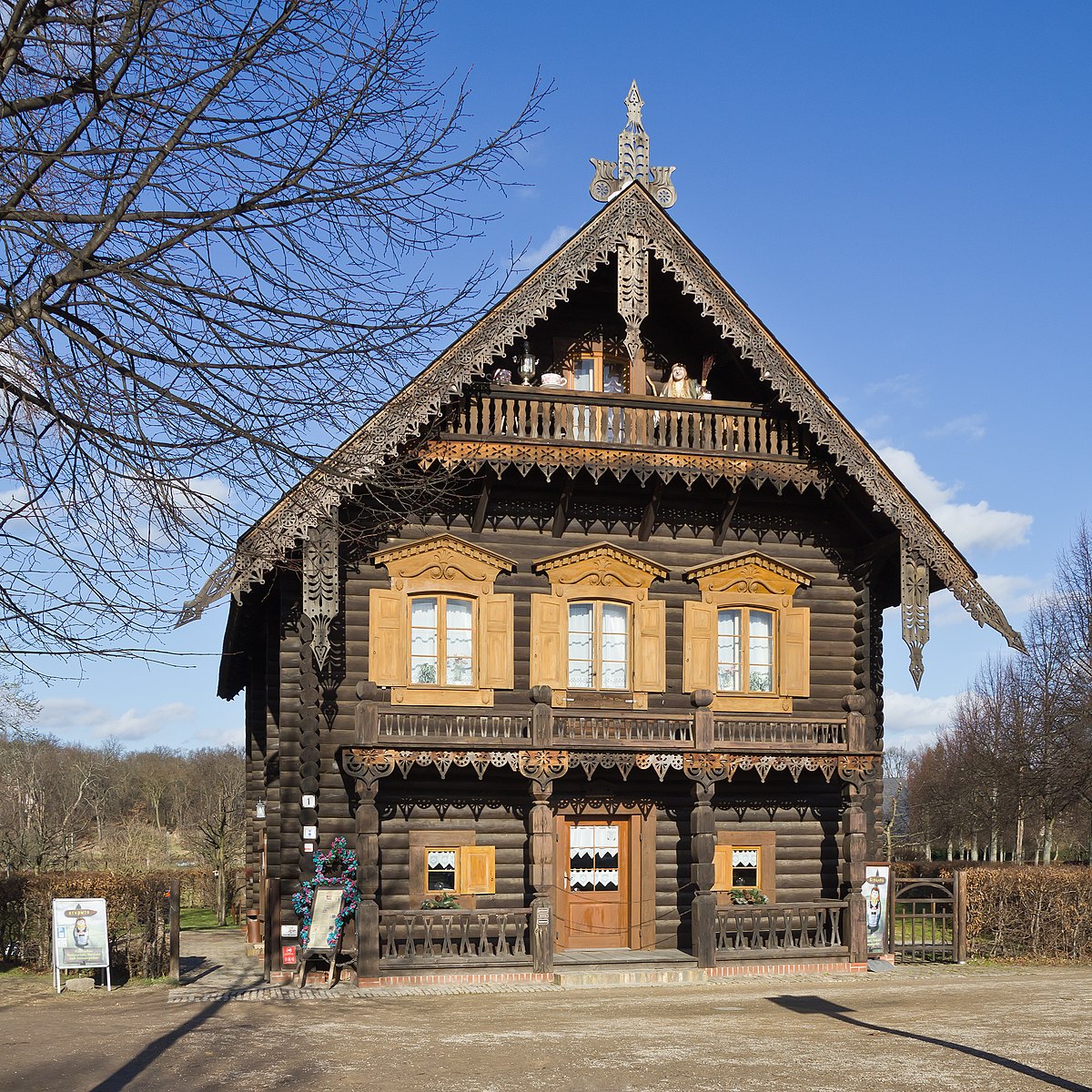
Located in the picturesque city of Potsdam, Germany, Alexandrowka is an intriguing architectural ensemble that reflects a unique blend of Russian and …

Alte Burg Penzlin
📍 Brandenburg, Germany
Alte Burg Penzlin, a captivating castle located in the quaint town of Penzlin, Germany, serves as a remarkable example of medieval architecture and …

Alte Dorfkirche Röxe
📍 Brandenburg, Germany
The Alte Dorfkirche Röxe stands as a poignant symbol of architectural and cultural history in the Stendal region of Germany. This church building, …
More Windmills

Accumer Mühle
📍 Lower Saxony, Germany
Accumer Mühle is a captivating windmill located in Schortens, Germany, that showcases the remarkable engineering of traditional European mills. This …

Am Wall Windmill
📍 Bremen, Germany
Am Wall Windmill is a fascinating example of German windmill architecture, located in the heart of the Mitte district in Germany. This windmill, with …

Arberger Mühle
📍 Bremen, Germany
Arberger Mühle is a striking windmill located in the Hemelingen district of Bremen, Germany. This historical structure serves as a reminder of the …

Arnumer Mühle
📍 Lower Saxony, Germany
Arnumer Mühle, a windmill located in the village of Arnum within the Hemmingen region of Germany, serves as a captivating reminder of traditional …

Aschwardener Mühle
📍 Bremen, Germany
Aschwardener Mühle is a captivating windmill located in the quaint region of Schwanewede, Germany, within the Landkreis Osterholz area of …
Bahnhofstraße 7
📍 Lower Saxony, Germany
At the heart of Eddelak, in Schleswig-Holstein, Bahnhofstraße 7 stands as an intriguing architectural feature. This villa, representative of the …