Overview
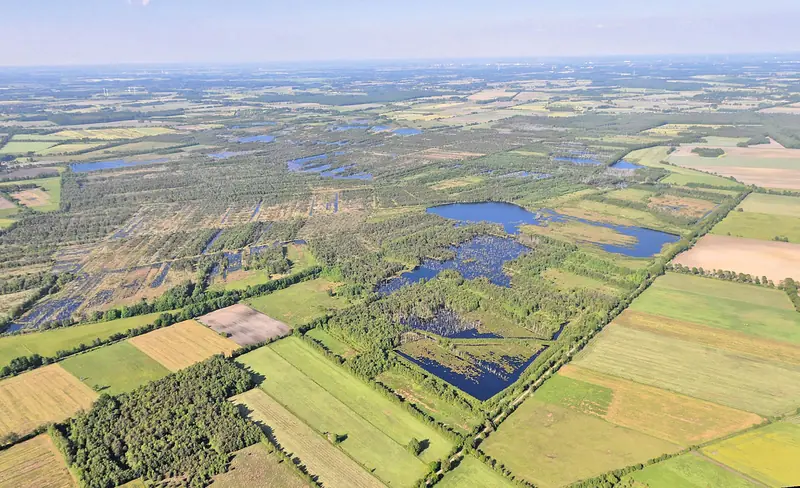
The Hohes Moor in Lüneburg, Germany, is a captivating nature reserve that offers an extraordinary opportunity to immerse oneself in the serene beauty of the Lower Saxony landscape. This pristine habitat, characterized by its unique wetland ecosystems, provides a sanctuary for diverse flora and fauna, making it a notable destination for nature enthusiasts and those seeking tranquility. The reserve serves as an essential ecological zone, playing a vital role in preserving biodiversity and offering critical insights into the region’s natural history.
Visitors to Hohes Moor can expect a peaceful retreat, where the sounds of nature replace the hustle and bustle of urban life. The air is fresh, and the landscape is dotted with various plant species, creating a striking backdrop for leisurely walks and exploration. This nature reserve stands out not only for its environmental significance but also for its accessibility, making it a perfect spot for families and individuals alike who wish to experience the great outdoors.
History and Significance
The Hohes Moor is set within a region that has a long-standing relationship with nature and conservation. The moor itself represents a landscape that has developed over centuries, shaped by both natural processes and human activity. Historically, moors have been recognized for their ecological importance, serving as vital habitats for numerous species and acting as carbon sinks, which help mitigate climate change.
The cultural significance of Hohes Moor extends beyond its ecological role. It reflects the traditional practices of the local communities that have utilized the land for various purposes, including agriculture and peat extraction. These interactions with the environment have fostered a deep understanding of the delicate balance required to maintain such ecosystems.
In contemporary times, Hohes Moor has gained recognition as an important site for environmental education and research. The reserve attracts scholars, conservationists, and naturalists who are interested in studying its unique ecosystems. Its preservation is part of a broader effort to protect similar habitats across Germany and Europe, highlighting the importance of conservation in maintaining biodiversity.
Architecture and Features
While Hohes Moor is primarily a natural landscape, its features are distinct and captivating. The reserve encompasses a variety of wetland ecosystems, including peat bogs, marshes, and open water bodies. These areas support a wide range of plant species, such as sphagnum moss and heather, which thrive in the moist, acidic conditions typical of moorlands.
The topography of Hohes Moor is gently undulating, creating a diverse habitat that is home to numerous wildlife species. Birdwatchers will appreciate the opportunity to observe various bird species that inhabit the area, particularly those that rely on wetland ecosystems for nesting and feeding. Additionally, the reserve is a habitat for amphibians and a variety of insects, contributing to the ecological richness of the region.
Trails within the reserve allow for exploration without disrupting the delicate balance of the ecosystem. These pathways are designed to facilitate access while minimizing impact, ensuring that visitors can enjoy the beauty of Hohes Moor responsibly. The overall design harmonizes with the natural surroundings, encouraging a respectful interaction with the environment.
Visiting Information
Visiting Hohes Moor offers a chance to connect with nature, and planning your trip can enhance the experience. The nature reserve is accessible by various modes of transportation. For those driving, ample parking is typically available nearby, while public transport options may also be accessible, depending on your starting point.
Check the official website for current information about opening hours and any fees that may apply. Expect to spend a few hours at the reserve to fully appreciate its offerings, including walking the trails and observing the natural wildlife.
The best times to visit Hohes Moor are during the spring and autumn months when the weather is generally mild, and the landscapes are particularly vibrant. These seasons also provide excellent opportunities for wildlife observation, as many species are more active during these times.
Nearby Attractions
When visiting Hohes Moor, you may want to explore some nearby attractions that complement your nature experience:
Lüneburg Heath: A vast heathland area known for its stunning purple heather fields, particularly vibrant in late summer. It offers extensive walking and cycling paths.
Lüneburg Town: A charming medieval town with historic architecture, quaint streets, and a rich history. The town’s salt industry has played a significant role in its development.
Biosphaerenreservat Lüneburger Heide: This biosphere reserve showcases the region’s commitment to conservation and sustainable tourism. It features various ecosystems and educational programs.
Wilseder Berg: The highest point in the Lüneburg Heath, offering panoramic views of the surrounding landscape. It’s a popular hiking destination.
Museum Lüneburg: Housed in a former monastery, this museum provides insights into the local history, culture, and the significance of salt production in Lüneburg.
Insider Tips
For photography enthusiasts, Hohes Moor offers numerous opportunities to capture the beauty of nature. Early morning or late afternoon light is ideal for creating stunning images of the reserve’s landscapes. Be prepared to wait patiently for wildlife shots, as many animals are more active during quieter times of the day.
To avoid crowds, consider visiting on weekdays or during the off-peak seasons. Early mornings during weekdays tend to be particularly peaceful, allowing for a more intimate experience with nature.
Practical Information
When planning your visit to Hohes Moor, it’s essential to bring appropriate gear. Comfortable walking shoes are a must, as the terrain can be uneven in places. Depending on the season, dressing in layers is advisable to accommodate changing weather conditions.
Don’t forget to pack essentials such as water, snacks, and a camera. Binoculars can also enhance your wildlife observation experience. Be mindful of seasonal considerations, especially during wet months, as some trails may become muddy or challenging to navigate.
Frequently Asked Questions
How long should I spend visiting?
A visit to Hohes Moor typically requires a few hours to explore the trails and enjoy the scenery.
Is photography allowed?
Yes, photography is permitted throughout the reserve, so feel free to capture the natural beauty.
Are there guided tours?
Check the official website for information on guided tours, as availability may vary.
What’s the best time to visit?
Spring and autumn are the best seasons for visiting, providing mild weather and vibrant landscapes.
Is it wheelchair accessible?
Specific accessibility information is available on the official website, including details on trail conditions.
Can I buy tickets online?
Check the official website for current information on ticket purchasing options.
Are there restrooms and cafes?
Facilities may be limited; check the official website for details on available amenities.
What should I wear?
Dress in layers and wear comfortable walking shoes to accommodate the terrain and weather conditions.