Hoher Forst Mining Landscape
Overview
The Hoher Forst Mining Landscape, located in Germany, is a significant cultural landscape recognized as part of a World Heritage site. This area reflects centuries of mining activity and the profound impact it has had on the region’s environment and cultural heritage. With coordinates at 50.6196, 12.5688, it offers a unique insight into the historical extraction of natural resources and the development of mining technologies over time. Visitors to this landscape are invited to explore its historical context, appreciate its ecological restoration efforts, and engage with the stories of the communities that shaped this site.
This cultural landscape is an emblem of the industrious spirit that characterized the region, illustrating how the mining practices influenced not only the local economy but also societal structures and cultural exchanges. As you wander through the remnants of this once-thriving industrial area, the traces of human endeavor and adaptation to the earth’s resources become apparent, making it an essential visit for those interested in industrial heritage and cultural landscapes.
History and Significance
The Hoher Forst Mining Landscape represents an important chapter in the historical narrative of mining in Germany. The landscape encapsulates the evolution of mining practices, reflecting changes in technology, labor, and community life. The area was historically significant for its contributions to the local economy and has played a vital role in shaping the identity of the region.
Mining in this landscape has not only been a source of wealth but also a catalyst for social development. The extraction of minerals led to the establishment of settlements that burgeoned around mining activities, fostering a unique cultural milieu characterized by the interaction of various communities. This cultural exchange has left an indelible mark on the traditions, languages, and social structures of the inhabitants.
Moreover, the Hoher Forst Mining Landscape is noteworthy for its ecological restoration initiatives. As industrial activities diminished, efforts were made to rehabilitate the environment, allowing nature to reclaim the land. This transition from an industrial landscape to a restored ecological one highlights the ongoing relationship between humanity and the environment, making it an exemplary site for studying both historical and modern environmental practices.
Architecture and Features
The architectural features of the Hoher Forst Mining Landscape are representative of the mining heritage that once dominated the area. While specific structures may not be detailed in the available information, visitors can expect to encounter remnants of mining infrastructure, such as shafts, processing buildings, and transportation systems that were integral to the mining operations.
The landscape itself is marked by physical alterations resulting from centuries of mining activity. The topography has been shaped by excavation and other industrial processes, creating a distinctive environment that showcases human ingenuity in resource extraction. Visitors can appreciate the engineering feats that enabled the extraction of minerals, as well as the remnants of communities that flourished in conjunction with these industries.
The overall ambiance of the Hoher Forst Mining Landscape is one of reflection, where past industrial activities meet natural restoration. This juxtaposition offers a compelling visual narrative that speaks to the history of the area and the resilience of nature in reclaiming its space.
Visiting Information
Visiting the Hoher Forst Mining Landscape provides an opportunity for an immersive experience in a site of cultural significance. To reach this location, various modes of transportation are available, including private vehicles and public transport options. Given the site’s historical and ecological importance, it is recommended to allocate sufficient time to explore and appreciate its offerings.
Check the official website for current information regarding operational hours and ticket prices, as these details may vary. Visitors should prepare for a range of activities, including walking tours that allow for in-depth exploration of the landscape. Depending on personal interests, spending two to four hours at the site can yield a satisfying experience, though those keen on photography or extensive exploration may wish to dedicate more time.
The best times to visit the Hoher Forst Mining Landscape are during the spring and early autumn months when the weather is conducive for outdoor activities and the natural surroundings are particularly vibrant. This timing also helps avoid larger crowds that may occur during peak tourist seasons.
Nearby Attractions
While the Hoher Forst Mining Landscape is a destination in its own right, several nearby attractions enhance the overall experience of the area:
Cultural Heritage Museum: Located within a short drive, this museum focuses on the local mining heritage and offers exhibitions that delve into the history and impact of mining on the community.
Natural Parks: The surrounding natural parks provide opportunities for hiking and exploring the local flora and fauna. These areas contrast beautifully with the industrial history of the mining landscape.
Historic Towns: Nearby towns offer a glimpse into traditional German architecture and lifestyle, making them worthwhile stops for those interested in cultural exploration.
Scenic Lookouts: Various viewpoints around the region allow visitors to appreciate the landscape from different perspectives, highlighting the integration of nature and industry.
Local Artisan Shops: Discover local crafts and artisanal products that reflect the cultural heritage of the region, providing a unique shopping experience.
Insider Tips
For those planning to visit the Hoher Forst Mining Landscape, here are some insider tips to enhance your experience:
Photography Opportunities: The landscape presents numerous opportunities for photography, particularly during early morning or late afternoon when the light creates interesting shadows and highlights. Capture the remnants of mining structures against the backdrop of nature.
Crowd Avoidance: To enjoy a more tranquil experience, consider visiting on weekdays or during non-peak hours. This will allow for a more immersive exploration without the distractions of larger groups.
Practical Information
When preparing for your visit to the Hoher Forst Mining Landscape, consider the following practical advice:
What to Bring: Comfortable walking shoes, water, and a camera are essential items for your exploration. Depending on the season, layered clothing may be advisable to accommodate changing weather conditions.
Seasonal Considerations: Be aware of the seasonal changes in the region. Spring and autumn offer mild temperatures, while summer can be warm. Winter visits may require additional clothing for colder temperatures, but the landscape can be particularly serene during this time.
Frequently Asked Questions
How long should I spend visiting?
It is recommended to spend two to four hours at the Hoher Forst Mining Landscape to fully appreciate its historical and ecological significance.
Is photography allowed?
Yes, photography is allowed, and visitors are encouraged to capture the unique features of the landscape.
Are there guided tours?
Check the official website for information on guided tours, as they may enhance your understanding of the site’s history and significance.
What’s the best time to visit?
Spring and early autumn are ideal times to visit due to favorable weather conditions and vibrant natural surroundings.
Is it wheelchair accessible?
Check the official website for information on accessibility options, as facilities may vary.
Can I buy tickets online?
For ticket purchasing options, check the official website for current information.
Are there restrooms and cafes?
Check the official website for details on amenities such as restrooms and nearby cafes.
What should I wear?
Dress comfortably and appropriately for outdoor exploration, considering the weather and terrain.
The Hoher Forst Mining Landscape offers a compelling glimpse into the complex interplay of industry, culture, and nature, making it a worthwhile destination for history enthusiasts and casual visitors alike.
More in Saxony

6. Grundschule "Am Großen Garten"
📍 Saxony, Germany
The 6. Grundschule “Am Großen Garten” stands as a significant educational institution in Dresden, Germany, embodying the principles of early childhood …

Albertinum
📍 Saxony, Germany
Albertinum is a prominent art museum located in the heart of Dresden, Germany, serving as a significant cultural institution in the region. …

All Saints Church, Dresden
📍 Saxony, Germany
All Saints Church, located in the vibrant city of Dresden, Germany, is a remarkable church building that captures the essence of the region’s …

Altarstein (Saxon Switzerland)
📍 Saxony, Germany
Altarstein, located in the picturesque region of Saxon Switzerland, Germany, is a captivating monument that draws visitors into its historical …

Alte Nikolaischule (Leipzig)
📍 Saxony, Germany
Alte Nikolaischule, located in the heart of Leipzig, Germany, is a significant educational institution with a rich heritage. Founded as a school, it …
Alte Schulbrücke Oberbobritzsch
📍 Saxony, Germany
The Alte Schulbrücke Oberbobritzsch is a striking bridge situated in the Bobritzsch-Hilbersdorf region of Germany. This structure serves not only as a …
More Cultural Landscapes

Altes Land
📍 Lower Saxony, Germany
Altes Land, located in northern Germany, is a remarkable cultural landscape that reflects the unique agricultural heritage and traditional practices …

Altmark
📍 Brandenburg, Germany
The Altmark region, located in the northwestern part of Saxony-Anhalt, Germany, offers a unique glimpse into a cultural landscape shaped by centuries …
Annaberg-Frohnau Mining Landscape
📍 Bavaria, Germany
The Annaberg-Frohnau Mining Landscape, located in Germany, represents a significant chapter in the story of European industrial heritage. This …
Buchholz Mining Landscape
📍 Bavaria, Germany
The Buchholz Mining Landscape, located in Germany, is a remarkable cultural landscape that offers a glimpse into the historical significance of mining …
Dresden Elbe Valley
📍 Saxony, Germany
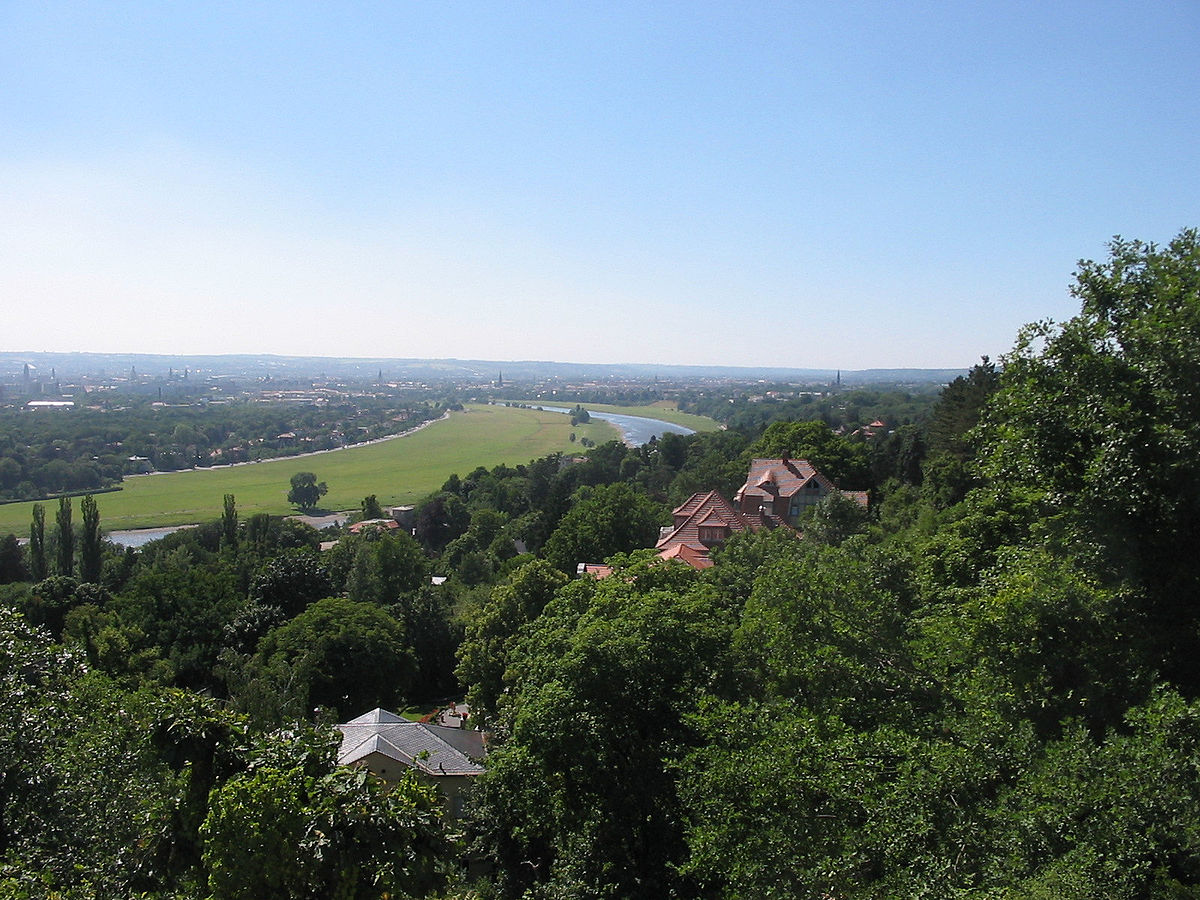
The Dresden Elbe Valley, a UNESCO World Heritage Site, is a cultural landscape that reflects the rich historical and artistic heritage of Saxony, …
Ehrenfriedersdorf Mining Landscape
📍 Saxony, Germany
The Ehrenfriedersdorf Mining Landscape, a significant cultural landscape in Germany, invites visitors to explore a rich history of mining that has …