Overview
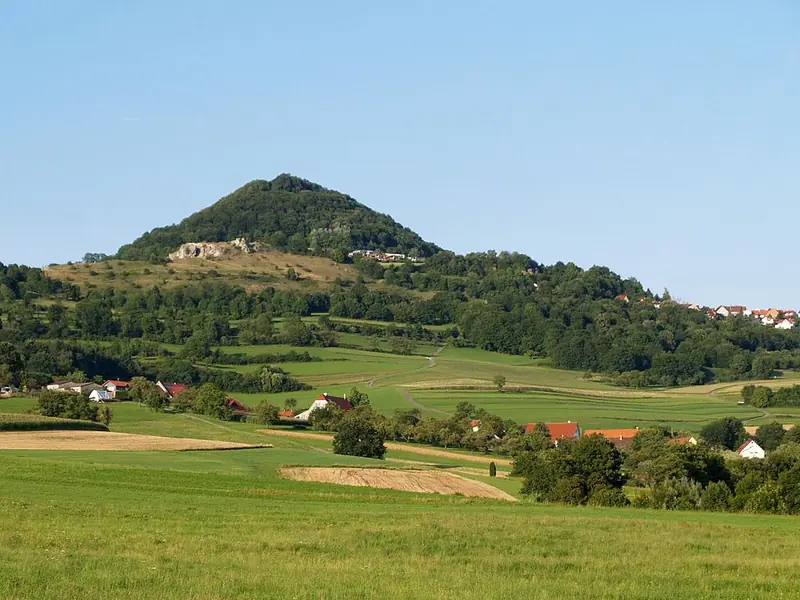
Hohenstaufen, a mountain located in the Göppingen District of Baden-Württemberg, Germany, is a natural site that invites both outdoor enthusiasts and history buffs alike. Rising prominently in the landscape, this mountain not only serves as a geographical landmark but also as a symbol of the region’s medieval heritage. The area surrounding Hohenstaufen is steeped in stories of the Staufen dynasty, a significant family in the Holy Roman Empire, which adds layers of cultural importance to this natural site.
Visitors to Hohenstaufen can engage in various outdoor activities, including hiking and exploring the rich natural beauty of the Baden-Württemberg region. The mountain offers an opportunity to connect with nature while reflecting on the historical narratives that have shaped the area. The combination of scenic vistas and historical depth makes Hohenstaufen a captivating destination for those seeking both adventure and insight into Germany’s past.
History and Significance
The history of Hohenstaufen is intrinsically linked to the Staufen dynasty, which rose to prominence in the 12th and 13th centuries. This family is often associated with significant historical events and figures in German history, including emperors who played pivotal roles in shaping the Holy Roman Empire. The mountain itself is named after the Hohenstaufen castle ruins that once stood atop its heights, serving as a stronghold for the Staufen family.
The area is not only important for its historical associations but also for its role in the cultural identity of the region. The Staufen dynasty contributed to the development of the local landscape, architecture, and governance, leaving behind a legacy that is still celebrated today. The mountain remains a focal point for historical discourse, attracting scholars and visitors interested in the medieval period of Germany.
In addition to its historical significance, Hohenstaufen is seen as a symbol of resilience and endurance, much like the Staufen family itself. The remnants of the castle and the mountain’s rugged terrain reflect the struggles and triumphs of a bygone era, making it a place that resonates with those who appreciate history and natural beauty alike.
Architecture and Features
Hohenstaufen is characterized by its distinct geological features, which rise prominently in the Göppingen District. The mountain is part of a larger chain of hills and offers visitors a variety of hiking trails that vary in difficulty. The ascent provides opportunities to experience the natural environment, featuring a mix of forests and open spaces.
One of the most notable features of Hohenstaufen is the castle ruins that sit atop the mountain. While specific architectural details are not available, the remnants offer a glimpse into the historical significance of the site. Visitors can explore the foundations and remnants of walls, which hint at the once-stronghold’s importance. The ruins are a focal point for many who visit, serving as a reminder of the mountain’s storied past.
The mountain’s summit provides panoramic views of the surrounding landscape, allowing hikers to appreciate the beauty of Baden-Württemberg. These vistas, combined with the historical context of the site, create a unique experience for those who venture to the top. The allure of Hohenstaufen lies not just in its physical attributes but also in the stories that echo through the ages.
Visiting Information
Reaching Hohenstaufen is relatively straightforward, with various transport options available. Visitors can access the mountain via car or public transportation, but it’s advisable to check the official website for current information on routes and accessibility. Once on-site, visitors can expect well-marked trails that cater to various skill levels, making it suitable for families and seasoned hikers alike.
When planning your visit, consider the time needed to fully appreciate Hohenstaufen. A hike to the summit typically takes a few hours, depending on your pace and the chosen trail. To enhance your experience, it is recommended to allocate additional time for exploration and relaxation at the top, where you can enjoy the views and the historical ambiance.
The best times to visit Hohenstaufen are during the spring and fall months, when the weather is mild and the natural scenery is particularly vibrant. However, it’s essential to check the official website for hours and any seasonal events that may be happening during your visit.
Nearby Attractions
While Hohenstaufen itself is a captivating destination, the surrounding area offers additional attractions worth exploring:
Göppingen: The nearest town, Göppingen, is known for its charming streets, shops, and local cuisine. A stroll through the town offers a taste of regional culture.
Schloss Filseck: Located just a short drive from Hohenstaufen, this historic castle features beautiful grounds and a museum, providing insight into the local history.
Teck Castle: A short distance away, this castle offers impressive views and a chance to delve into the medieval history of the region.
Wiesensteig: A picturesque village nearby, Wiesensteig is home to several hiking trails and scenic landscapes, perfect for a day of exploration.
St. Anna Chapel: This small chapel located on the mountain is a peaceful spot for reflection and a nod to the area’s spiritual history.
Insider Tips
For photography enthusiasts, early morning or late afternoon light provides the best conditions for capturing the beauty of Hohenstaufen and its surroundings. This timing not only enhances the colors in your photographs but also helps avoid the crowds that can accumulate during peak hours.
To avoid larger groups, consider visiting on weekdays rather than weekends. Early mornings are typically quieter, allowing for a more serene experience as you explore the trails and ruins.
Practical Information
When planning your visit to Hohenstaufen, it’s advisable to wear comfortable hiking shoes and dress in layers, as temperatures can fluctuate throughout the day. Bring plenty of water and snacks, as there may not be facilities available on the mountain.
Seasonal considerations are also important; spring and summer months often bring more visitors, while fall may provide a quieter experience. Regularly check the official website for any updates on trail conditions and potential events.
Frequently Asked Questions
How long should I spend visiting?
A visit to Hohenstaufen typically requires a few hours, allowing time for the hike and exploration of the ruins.
Is photography allowed?
Yes, photography is permitted, and the views from the summit offer excellent opportunities for capturing the landscape.
Are there guided tours?
Information on guided tours may vary; it’s best to check the official website for availability and booking options.
What’s the best time to visit?
The best times to visit are during spring and fall when the weather is mild and the natural surroundings are particularly beautiful.
Is it wheelchair accessible?
The hiking trails may not be fully accessible; it’s recommended to check the official website for information regarding accessibility options.
Can I buy tickets online?
Information on ticket purchases should be confirmed on the official website, as access may vary.
Are there restrooms and cafes?
Facilities may be limited on the mountain; it’s advisable to plan accordingly and bring your own refreshments.
What should I wear?
Comfortable, weather-appropriate clothing and sturdy hiking shoes are recommended for your visit.
Hohenstaufen presents an engaging blend of natural beauty and historical significance, making it a worthwhile destination for travelers seeking to explore the depth of Germany’s cultural landscape.