Overview
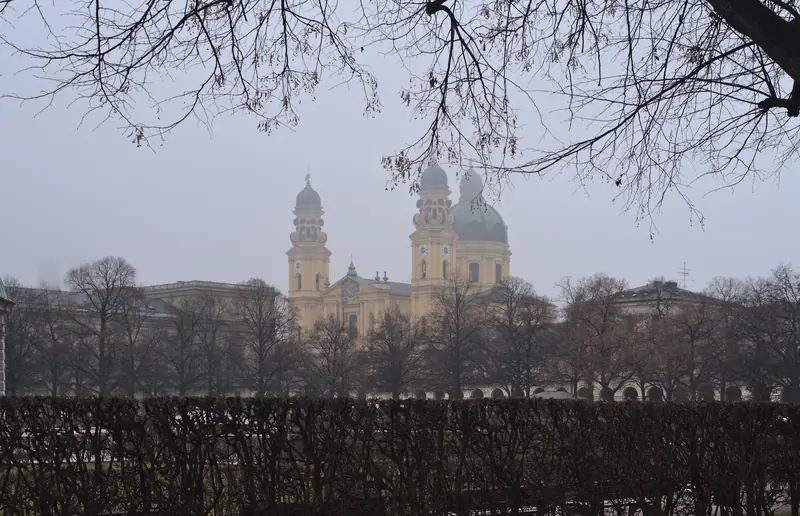
In the heart of Munich, amidst the bustling urban landscape, lies Hofgarten, a serene park that offers a peaceful retreat for locals and visitors alike. This green space is not merely an escape from the concrete and chaos, but a reflection of the city’s cultural heritage and a gathering place for its community. The park spans a considerable area and features meticulously landscaped gardens, making it an ideal spot for leisurely strolls, picnics, or quiet contemplation.
Hofgarten is situated near the historic center of Munich, making it easily accessible for those exploring the city’s rich history. The park serves as a vital green lung for the city, contributing to its ecological balance while providing a picturesque setting for relaxation and recreation. Its significance extends beyond just being a park; it is a place where history, nature, and community converge, inviting visitors to experience the essence of Munich.
History and Significance
Hofgarten was established in the early 17th century, designed as a formal garden for the Elector Maximilian I. The original concept was to create a space that reflected the ideals of the Renaissance, showcasing harmonious proportions and geometric layouts. Over the centuries, the park has undergone various transformations, adapting to the changing tastes and needs of the public while retaining its core character as a tranquil oasis.
The park has played a significant role in the cultural life of Munich. It has hosted numerous events and gatherings, from concerts to festivals, celebrating the artistic spirit of the city. Its well-maintained pathways and lush greenery have made it a favored destination for artists, poets, and thinkers, who find inspiration in its beauty and tranquility.
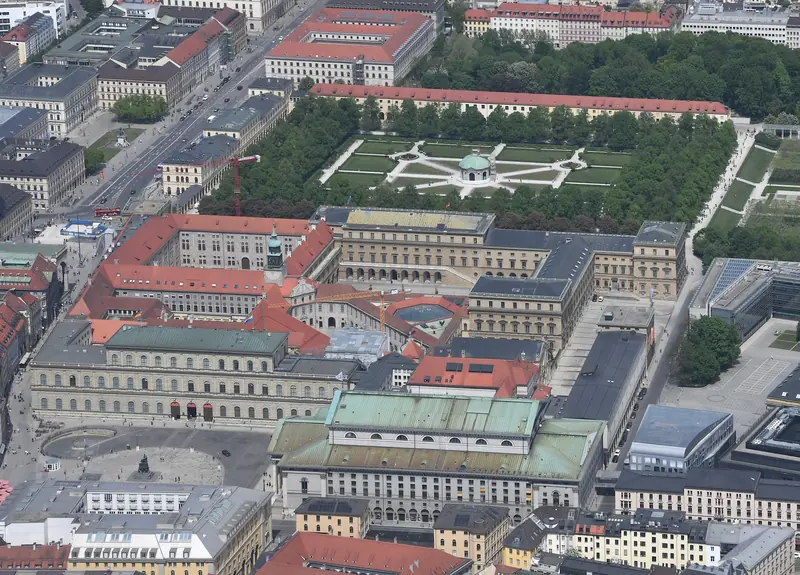
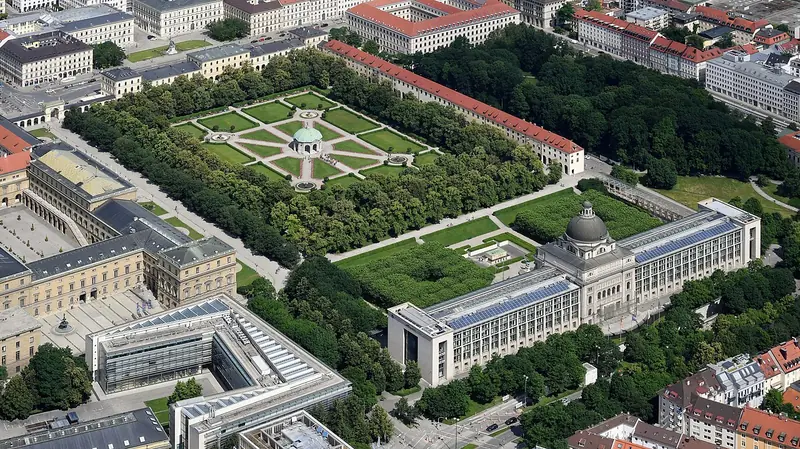
Hofgarten is also significant for its architectural features, including the iconic pavilion that stands at its center. This structure, with its classical design, serves as a focal point within the park, embodying the harmony of nature and architecture. The park’s design promotes a sense of community, inviting people to come together, whether for leisure activities or cultural events.
Throughout its history, Hofgarten has remained a vital part of Munich’s identity, reflecting the city’s commitment to preserving green spaces amidst urban development. It is a living monument to the city’s past and a vital resource for future generations.
Architecture and Features
Hofgarten is characterized by its meticulously arranged landscapes and architectural elements that are emblematic of the Baroque style. The park features well-defined pathways that meander through carefully curated flowerbeds, hedges, and trees, providing a structured yet natural environment for visitors.
At the heart of the park lies the pavilion, a striking structure that exemplifies classical design principles. Its symmetrical layout and elegant columns create a sense of balance and beauty, inviting visitors to pause and appreciate its aesthetic appeal. Surrounding the pavilion, the gardens showcase a variety of plant species, each selected to ensure year-round interest and color.
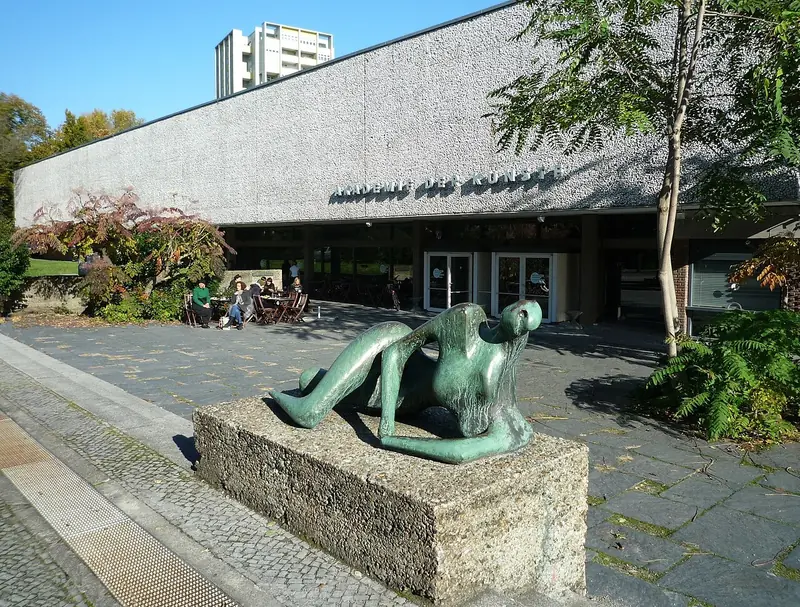
The park also includes several statues and ornamental features that pay homage to various historical figures and themes. These artistic elements enhance the park’s cultural significance and contribute to its overall charm. The combination of natural beauty and artistic expression creates a harmonious atmosphere that encourages visitors to explore and engage with the surroundings.
Visiting Information
Hofgarten is conveniently located in Munich, making it easily accessible via public transportation. Visitors can reach the park using the U-Bahn or tram services, which connect various parts of the city. Once at the park, guests can expect a tranquil environment, perfect for leisurely activities such as walking, jogging, or simply enjoying the scenery.
For those planning a visit, it is advisable to check the official website for current information regarding hours of operation and any potential entry fees. Depending on the time of year, the park can experience varying levels of visitors. Thus, it can be beneficial to visit during off-peak hours, such as early mornings or late afternoons, to enjoy a quieter experience.
With ample space to explore, visitors may want to allocate a couple of hours to fully appreciate the park’s beauty and features. The best times to visit are during the spring and summer months when the gardens are in full bloom, offering vibrant colors and scents that enhance the overall experience.
Nearby Attractions
Hofgarten’s central location provides easy access to several notable attractions in Munich:
Englischer Garten: One of the largest urban parks in the world, offering vast green spaces, a picturesque river, and traditional beer gardens.
The Bavarian State Museum: Located nearby, this museum showcases an extensive collection of art and cultural artifacts that highlight Bavaria’s rich history.
The Residenz: A former royal palace that now houses a museum, offering insight into the opulence and history of the Bavarian monarchy.
Odeonsplatz: A grand square featuring impressive architecture and a lively atmosphere, making it a great spot for photography and people-watching.
Munich Cathedral (Frauenkirche): The iconic landmark of the city, known for its twin towers and stunning architecture, is just a short walk away.
Insider Tips
For those looking to capture the essence of Hofgarten through photography, early mornings offer the best light and fewer crowds. The soft morning glow can enhance the vibrancy of the park’s flowers, providing stunning backdrops for photos. Additionally, consider exploring the park’s less-traveled paths to find unique angles and compositions.
To avoid larger crowds, aim to visit on weekdays rather than weekends. Many locals enjoy the park for lunch or after work, so planning your visit during off-peak hours can lead to a more tranquil experience.
Practical Information
When visiting Hofgarten, it’s advisable to bring a few essentials to enhance your experience. Comfortable walking shoes are recommended, as the park offers various pathways that invite exploration. Depending on the season, consider packing sunscreen or an umbrella to protect against the elements.
The park is a great place for a picnic, so bringing along snacks or a meal can make your visit even more enjoyable. Additionally, seasonal considerations are important; spring and summer bring blooming flowers and vibrant greenery, while fall showcases a beautiful array of colors as the leaves change.
Frequently Asked Questions
How long should I spend visiting?
Typically, visitors spend about 1-2 hours in Hofgarten to fully enjoy its features and relax in the atmosphere.
Is photography allowed?
Yes, photography is permitted in Hofgarten, making it a great place for capturing the park’s beauty.
Are there guided tours?
While Hofgarten does not typically offer guided tours, visitors can enjoy the park at their own pace and explore its features.
What’s the best time to visit?
The best times to visit are during spring and summer when the gardens are in full bloom and the weather is pleasant.
Is it wheelchair accessible?
Hofgarten is generally accessible, with paved pathways that accommodate visitors with mobility needs.
Can I buy tickets online?
Check the official website for current information regarding any entry fees and ticket purchasing options.
Are there restrooms and cafes?
While Hofgarten itself may not have cafes, nearby facilities in the city offer dining options and restrooms.
What should I wear?
Comfortable clothing and shoes are recommended for walking and exploring the park, especially during warmer months.
Photo Gallery