Overview
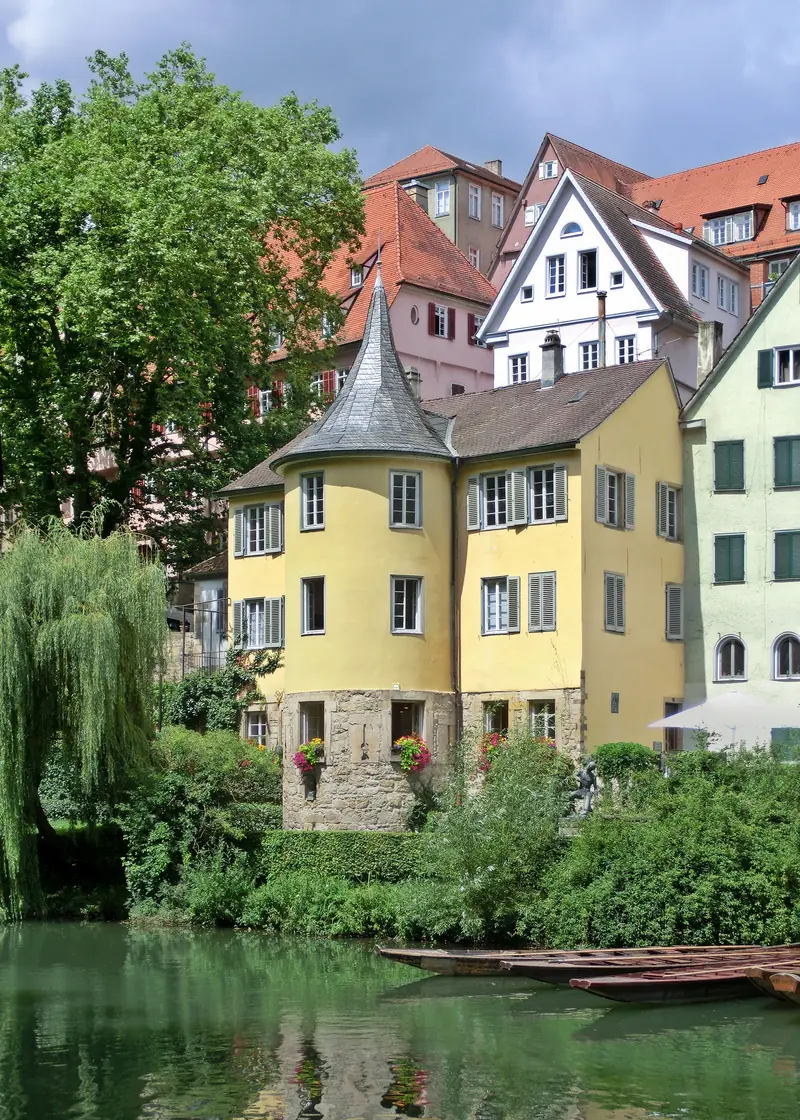
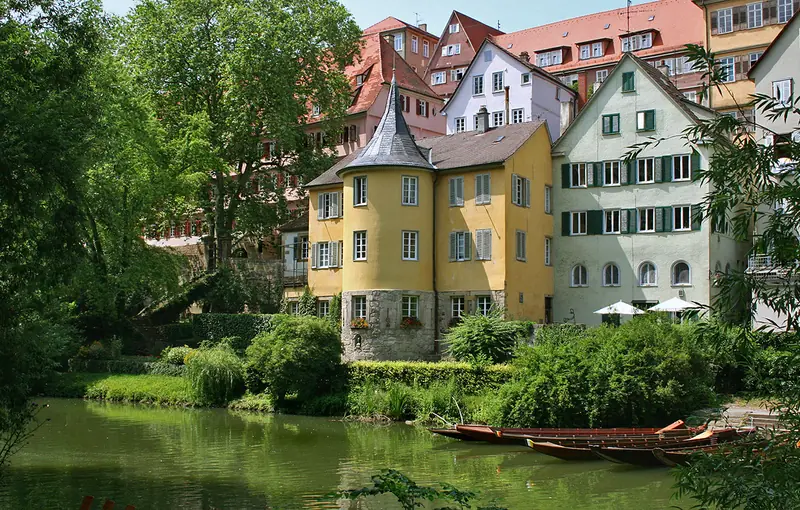
Hölderlinturm, a historic tower located in the picturesque town of Tübingen, Germany, invites visitors to explore its intriguing past and architectural charm. Situated in the state of Baden-Württemberg, this monument serves as a significant cultural landmark, entwined with the legacy of renowned German poet Friedrich Hölderlin. The tower not only stands as a testament to the region’s rich literary heritage but also offers a unique glimpse into the architectural styles of its era.
Visitors to Hölderlinturm can expect an engaging experience that combines history, literature, and stunning surroundings. As you ascend this iconic structure, you are rewarded with a sense of connection to the past, while the vibrant atmosphere of Tübingen enhances your exploration of this remarkable site. Whether you’re a history enthusiast, a literature lover, or simply in search of an enriching cultural experience, Hölderlinturm promises to captivate your imagination.
History and Significance
Hölderlinturm is steeped in cultural significance, primarily due to its association with Friedrich Hölderlin, a pivotal figure in German literature. Born in 1770, Hölderlin is celebrated for his profound poetry that explored themes of nature, human existence, and the divine. The tower itself was named in his honor, reflecting his connection to Tübingen, where he spent part of his life. This association has made the tower a pilgrimage site for literary scholars and enthusiasts from around the world.
The history of Hölderlinturm is a narrative of resilience and continuity. Constructed as part of the city’s fortifications in the late Middle Ages, the tower has witnessed the evolution of Tübingen through various historical milestones. Its presence has symbolized the town’s enduring spirit, even as it transitioned from a medieval fortress into a site of literary and cultural significance.
Today, Hölderlinturm stands as a monument not only to Hölderlin himself but also to the broader spectrum of German literature and philosophy that flourished in the region. The tower serves as a reminder of the intricate relationship between place and creativity, inspiring generations to engage with Hölderlin’s work and the cultural landscape of Tübingen.
Architecture and Features
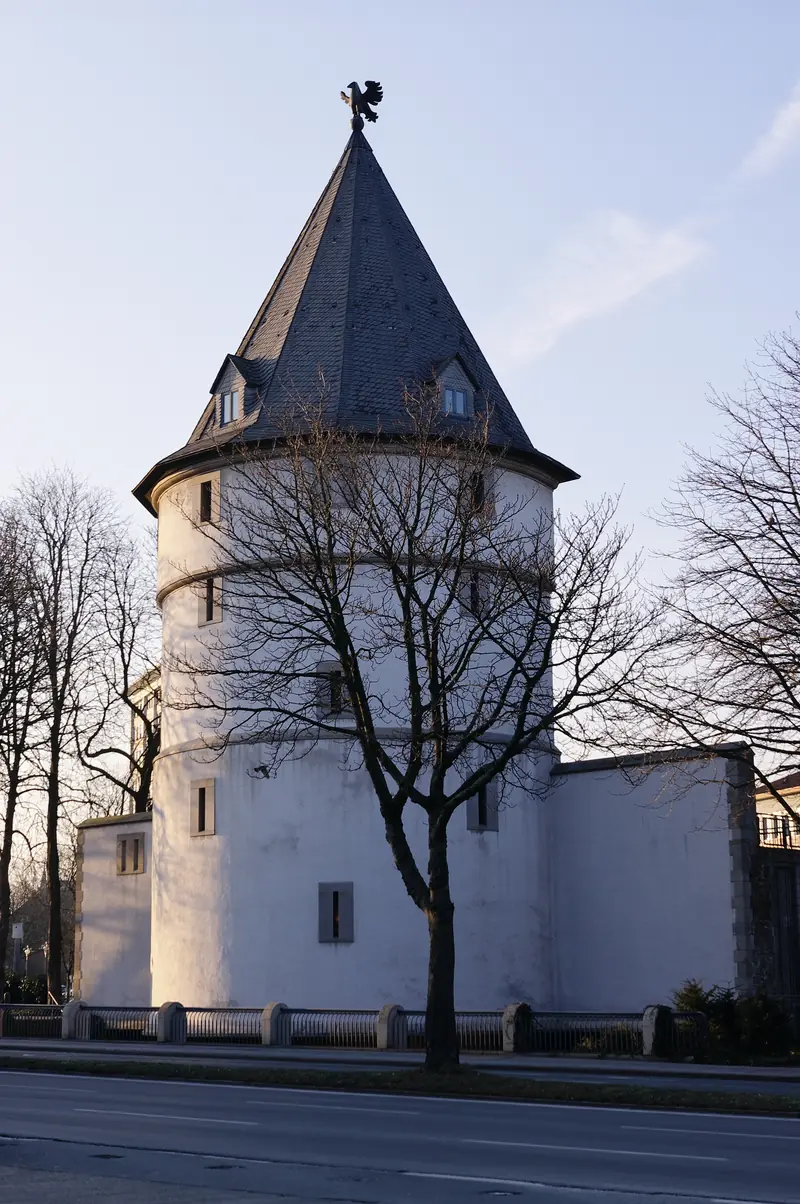
Hölderlinturm presents a striking architectural profile, characterized by its medieval design elements that reflect the era in which it was constructed. The tower’s robust stone structure is complemented by narrow windows and a conical roof, which contribute to its formidable appearance. Standing tall amidst the urban landscape, it retains a sense of historical authenticity that draws visitors and scholars alike.
One notable feature of Hölderlinturm is its height, which offers an elevated perspective of Tübingen’s charming streets and surrounding areas. The tower’s design not only served defensive purposes in the past but also allows for an intriguing exploration of its interior. Visitors can discover the remnants of its original fortifications, evoking the historical context in which the tower was built.
Inside, the tower may reveal simple yet evocative spaces that reflect the austere beauty typical of medieval architecture. The ambiance of the tower invites contemplation, making it a fitting homage to the poetic spirit of Hölderlin. As you navigate the tower’s interior, you can also sense the remnants of the past, providing a profound connection to the literary legacy that it represents.
Visiting Information
To make the most of your visit to Hölderlinturm, planning ahead is essential. The tower is situated in Tübingen, which is easily accessible through various modes of transportation, including trains and buses. The proximity of Tübingen’s town center means that you can combine your visit to Hölderlinturm with a stroll through the charming streets of the town.
For current information regarding visiting hours and ticket prices, it is advisable to check the official website. This ensures that you have the latest details and can prepare for your visit accordingly.
When exploring the tower, expect to spend about an hour to fully appreciate both the architecture and the historical context of the site. The best times to visit are typically during the spring and autumn months when the weather is mild, and the surrounding areas are particularly scenic.
Nearby Attractions
While visiting Hölderlinturm, take the opportunity to explore other nearby attractions that enhance your experience of Tübingen:
Hölderlin’s House: A short walk from the tower, this site is where the poet lived and worked, providing further insight into his life and creativity.
Tübingen Market Square: A vibrant hub of activity, the square offers local shops, cafes, and the chance to engage with the lively atmosphere of the town.
The Old Botanical Garden: Located nearby, this serene space features a variety of plant species and is a great spot for relaxation and contemplation.
St. George’s Collegiate Church: This historic church, situated close to the tower, showcases beautiful stained glass and is an important architectural landmark in Tübingen.
The Neckar River: A leisurely walk along the river provides a scenic backdrop to your visit and allows for picturesque views of the town and its surroundings.
Insider Tips
For those looking to capture the essence of Hölderlinturm through photography, consider visiting during the early morning or late afternoon, when the light casts a warm glow over the structure. This natural lighting enhances the tower’s features and creates stunning visual opportunities.
To avoid crowds, plan your visit on weekdays or during the shoulder seasons when tourism is typically lower. Early arrivals can also provide a more tranquil experience, allowing you to explore the tower and its surroundings at your own pace.
Practical Information
When visiting Hölderlinturm, it’s advisable to bring comfortable walking shoes, as navigating the tower and its surrounding area may involve some uneven terrain. Additionally, consider packing a water bottle and snacks, especially if you plan to explore the nearby attractions.
Seasonal considerations are also important; the spring and summer months often have more visitors, while autumn provides a lovely backdrop of changing foliage. Regardless of the season, layering your clothing is recommended, as temperatures can fluctuate throughout the day.
Frequently Asked Questions
How long should I spend visiting?
Visitors typically spend about an hour at Hölderlinturm, allowing time to appreciate the architecture and historical context.
Is photography allowed?
Yes, photography is generally allowed, though it’s respectful to be mindful of other visitors.
Are there guided tours?
Check the official website for information regarding guided tours; availability may vary.
What’s the best time to visit?
The best times to visit are spring and autumn when the weather is mild and the surroundings are particularly scenic.
Is it wheelchair accessible?
Check the official website for details on accessibility options within the tower.
Can I buy tickets online?
For current information on ticket purchasing options, please refer to the official website.
Are there restrooms and cafes?
Nearby attractions typically offer restrooms and cafes; check local establishments for amenities.
What should I wear?
Dress comfortably and in layers to accommodate changing temperatures, especially if you plan to explore the surrounding area.
Photo Gallery