Overview
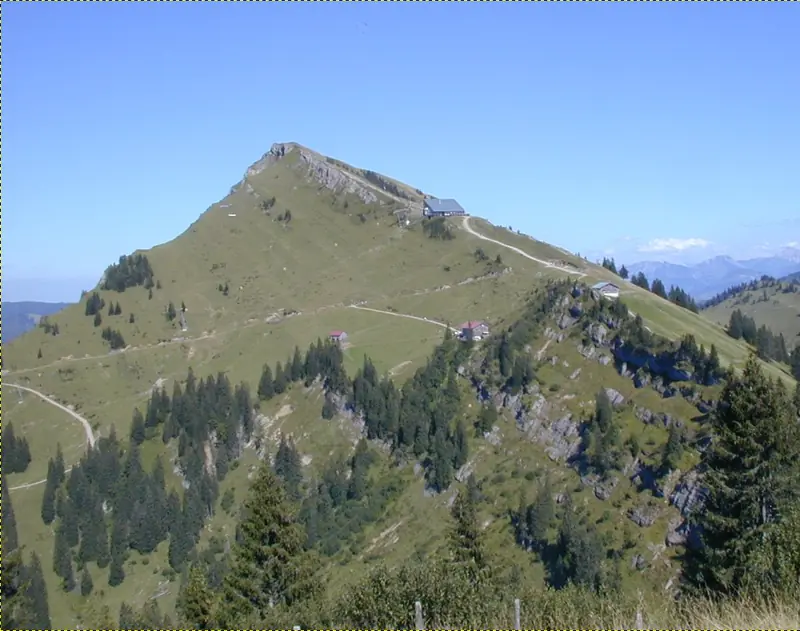
Hochgrat, a prominent mountain in the Allgäu Alps of Bavaria, Germany, represents a striking natural landmark that attracts outdoor enthusiasts and nature lovers alike. Towering above the picturesque landscape, this mountain offers an array of activities that cater to both adventure seekers and those simply wishing to immerse themselves in the serenity of the alpine environment. Its geographical location, with coordinates at 47.4953531, 10.078628, places it within easy reach of charming villages and rich cultural heritage, making it an ideal destination for a variety of visitors.
Hochgrat is not just a mountain; it is a place where the natural beauty of the Bavarian Alps meets the spirit of exploration. The allure of the mountain lies in its diverse offerings—hiking trails that weave through lush meadows, opportunities for skiing during the winter months, and panoramic views that extend over the rolling hills and valleys below. This mountain serves as a gateway to experiencing the unique ecology and geology of the region, as well as a connection to the traditions and lifestyles that thrive in Bavaria.
Whether you’re seeking a thrilling adventure or a peaceful retreat, Hochgrat promises an enriching experience, inviting visitors to discover the majestic landscapes and cultural heritage that define this remarkable mountain.
History and Significance
The significance of Hochgrat extends beyond its geographical stature; it plays a vital role in the cultural and natural history of Bavaria. This mountain has long been a site of exploration and recreational activities, drawing hikers, climbers, and winter sports enthusiasts. The Allgäu region, where Hochgrat is located, is known for its distinctive alpine culture, characterized by traditional farming, craftsmanship, and customs that have been preserved over generations.
As part of the Allgäu Alps, Hochgrat is also significant from an ecological standpoint. The mountain and its surrounding areas provide a habitat for diverse flora and fauna, some of which are unique to this alpine environment. Preserving the natural landscape is essential, not only for maintaining the ecological balance but also for ensuring that future generations can continue to enjoy the beauty and recreational opportunities that the mountain offers.
Cultural events and traditions in the Allgäu region often celebrate the natural landscape, and Hochgrat serves as a backdrop for these activities, reinforcing the connection between the community and its environment. The mountain is more than just a physical landmark; it embodies the spirit of the Bavarian people and their relationship with nature.
Architecture and Features
Hochgrat features a rugged terrain typical of the Allgäu Alps, characterized by steep slopes and rocky outcrops that challenge even the most experienced climbers. The mountain rises prominently, offering a range of elevations that create distinct ecosystems as one ascends. While the summit may not have man-made structures dominating its profile, the natural architecture of the mountain is striking, with jagged peaks and rolling ridges that create a dramatic skyline.
Visitors can explore various trails that wind around and up the mountain, each presenting unique perspectives of the landscape. These paths vary in difficulty, making them accessible to both novice hikers and seasoned trekkers. Along the trails, one can find scenic spots perfect for rest and contemplation, allowing for a deeper appreciation of the natural surroundings.
The area surrounding Hochgrat is also dotted with traditional alpine huts and lodges, where visitors can experience local cuisine and hospitality. These structures, while not part of the mountain itself, contribute to the overall architecture of the landscape, reflecting the cultural heritage of the region.
Visiting Information
Reaching Hochgrat is relatively straightforward, with several transport options available. Visitors can access the mountain from nearby towns, and the region is equipped with well-marked trails and transportation services that facilitate exploration. For those relying on public transport, check the official website for current information on schedules and routes.
Upon arrival, expect a variety of experiences depending on the season. In the warmer months, hiking and mountain biking are popular activities, while winter brings opportunities for skiing and snowshoeing. The time needed for a visit can vary greatly based on the chosen activities; a simple hike might take a few hours, while more extensive explorations could last a full day.
For the best experience, consider visiting during the shoulder seasons of late spring or early autumn, when the weather is mild, and the crowds are fewer. Always check the official website for hours and prices, as seasonal variations may affect accessibility and operational times.
Nearby Attractions
While Hochgrat itself is a major draw, the surrounding region is rich with attractions that enhance the overall experience:
Bregenz: Located nearby, this charming city offers cultural events and stunning lake views, making it a great complement to a mountain visit.
Lake Constance (Bodensee): Just a short drive away, this large lake is perfect for those looking to enjoy water activities or scenic walks along its shores.
Allgäu Skyline Park: For families and thrill-seekers, this amusement park provides various rides and attractions that cater to all ages.
Neuschwanstein Castle: A bit further afield, this iconic fairy-tale castle is a must-see for its architectural beauty and historical significance.
Füssen: A picturesque town near Neuschwanstein, Füssen is known for its charming streets and historical buildings, making it a lovely stop during a day trip.
Insider Tips
To capture the essence of Hochgrat through photography, aim for the golden hours of sunrise or sunset when the light enhances the landscape’s colors. High vantage points along the trails often provide excellent opportunities for sweeping landscape shots. To avoid crowds, consider visiting on weekdays or during early morning hours, especially in peak seasons.
If you plan to hike, be prepared for varying weather conditions and always carry essential gear. A good pair of hiking boots, a reliable backpack, and plenty of water are crucial for a comfortable experience.
Practical Information
When visiting Hochgrat, it’s important to be well-prepared. Bring appropriate clothing for mountain conditions, layering is key as temperatures can change rapidly. A good quality camera, snacks, and a map or GPS device will enhance your exploration.
Seasonal considerations are vital; summer offers lush greenery and vibrant wildflowers, while winter transforms the landscape into a snowy playground. Always check the official website for current information regarding trails, conditions, and any advisories.
Frequently Asked Questions
How long should I spend visiting?
The time spent at Hochgrat can vary based on your chosen activities. A simple hike may take 2-4 hours, while more extensive explorations could require a full day.
Is photography allowed?
Yes, photography is encouraged. The natural beauty of Hochgrat provides numerous opportunities for stunning photographs.
Are there guided tours?
Check the official website for information on guided tours, as these may be available depending on the season and demand.
What’s the best time to visit?
The best time to visit Hochgrat is during late spring or early autumn when the weather is pleasant and crowds are fewer.
Is it wheelchair accessible?
Accessibility may vary by trail, so check the official website for specific information on wheelchair access.
Can I buy tickets online?
For ticketing and access details, check the official website for options and current information.
Are there restrooms and cafes?
Facilities may be available at certain points along the trails and at nearby lodges. Check the official website for specific locations.
What should I wear?
Wear layered clothing suitable for mountain conditions, sturdy hiking boots, and consider bringing rain gear depending on the forecast.



