Overview
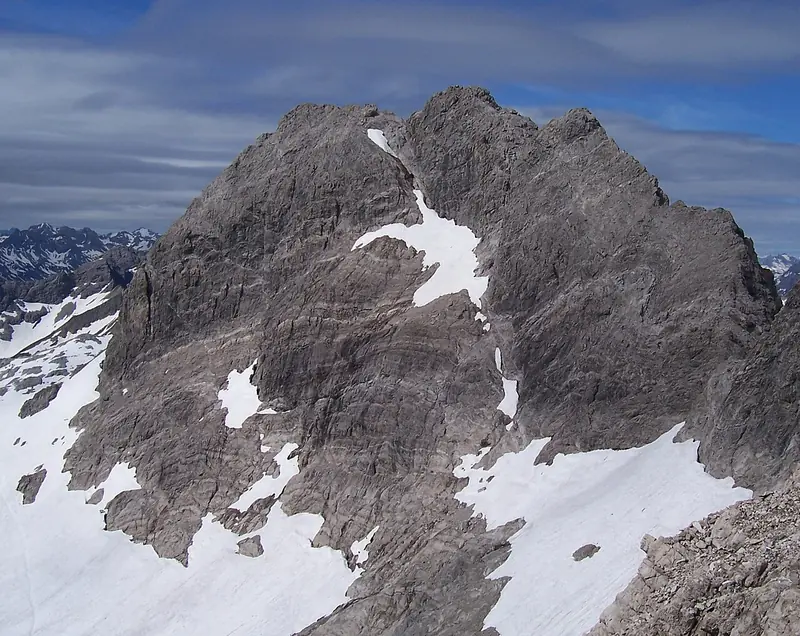
Hochfrottspitze, a prominent mountain in the Allgäu Alps, stands majestically at the border of Tyrol, Austria, and Bavaria, Germany. This natural site, with its striking altitude and rugged landscape, attracts mountaineers and nature enthusiasts alike, offering unparalleled opportunities for exploration and adventure. The mountain’s coordinates, 47.2961° N latitude and 10.2931° E longitude, place it in a region celebrated for its diverse ecosystems and stunning alpine scenery.
Significantly, Hochfrottspitze serves as a natural landmark that draws attention not only for its beauty but also for its geological and ecological importance. The mountain is more than just a peak; it is part of a larger network of mountains that contribute to the cultural and recreational landscape of the area. Visitors can expect to engage with nature in a profound way, whether through hiking, climbing, or simply enjoying the serene environment that surrounds this impressive geological formation.
In the heart of the Allgäu Alps, Hochfrottspitze invites exploration and adventure, promising experiences that resonate with both the thrill-seeker and the contemplative traveler.
History and Significance
While specific historical events related to Hochfrottspitze may not be extensively documented, the mountain’s cultural significance is intertwined with the broader narrative of the Allgäu region. The Allgäu Alps have historically served as a vital area for local communities, contributing to the livelihoods of those who inhabit the valleys and foothills. The mountains have long been a source of inspiration for artists, writers, and adventurers, echoing the spirit of exploration and connection to the natural world.
The region surrounding Hochfrottspitze is steeped in traditions that reflect the harmonious relationship between the inhabitants and their environment. From alpine farming to winter sports, the local communities celebrate their connection to the mountain, which has shaped their way of life for generations. The cultural practices, festivals, and craftsmanship found in the villages below highlight the enduring legacy of this landscape.
Additionally, the Allgäu Alps, including Hochfrottspitze, are significant for their biodiversity. The area is home to various flora and fauna, some of which are endemic to the region. The ecological importance of the mountain and its surrounds is evident in conservation efforts aimed at preserving the natural beauty and the diverse ecosystems that thrive in this alpine environment.
Architecture and Features
Hochfrottspitze stands out for its rugged physical features, characterized by steep ascents and rocky outcrops that define its silhouette against the sky. The mountain is part of a prominent ridge, which, combined with its elevation, provides a stunning backdrop to the surrounding landscape. The peak’s rocky terrain makes it a popular destination for climbers and hikers seeking a challenging ascent.
The mountain’s geological composition tells a story of the earth’s history, shaped by natural forces over millennia. The rocky formations are a testament to the dynamic processes that have sculpted the Allgäu Alps. From its summit, visitors can appreciate the intricate interplay of light and shadow across the surface of the peaks and valleys, particularly during sunrise and sunset when the landscape is bathed in warm hues.
The surrounding area also features a network of trails, offering various routes for different skill levels. Whether trekkers are looking for a leisurely hike or an intensive climb, Hochfrottspitze caters to diverse preferences, allowing individuals to connect with nature at their own pace.
Visiting Information
Traveling to Hochfrottspitze provides an opportunity to immerse oneself in the alpine environment. The region is accessible via various forms of transport, with the nearest major cities located in both Bavaria and Tyrol. Visitors often arrive by car, with designated parking areas available nearby, making it convenient for those planning a day trip. For public transport users, local bus services connect nearby towns and villages to the mountain.
While specific hours and prices may vary, checking the official website for current information is recommended for the most accurate details regarding access. The best times to visit Hochfrottspitze are typically during the spring and summer months when the weather is milder, allowing for safer hiking conditions.
Expect to spend several hours exploring the trails, depending on the chosen route. For those looking to summit the peak, a full day may be required, especially for less experienced climbers. The mountain’s environment is dynamic, and conditions can change rapidly, so being prepared for varying weather is essential.
Nearby Attractions
While Hochfrottspitze is a destination in its own right, the surrounding area offers additional attractions worth exploring:
Nebelhorn: Known for its panoramic vistas, Nebelhorn is a nearby mountain that provides visitors with exceptional views and hiking opportunities.
Breitachklamm: This impressive gorge, carved by the Breitach River, offers stunning trails and natural beauty, perfect for a day trip.
Oberstdorf: A charming town nearby that serves as a gateway to the Alps, Oberstdorf features shops, restaurants, and cultural sites to explore.
Fellhorn: Not far from Hochfrottspitze, Fellhorn is another mountain that attracts outdoor enthusiasts for hiking and skiing in the winter months.
Allgäu Wildlife Park: Located a short drive away, this park provides a chance to encounter various species of wildlife native to the region.
Insider Tips
To make the most of your visit to Hochfrottspitze, consider these insider tips:
Photography: Early morning or late afternoon are ideal times for photography, as the lighting adds depth and character to the landscape.
Crowd Avoidance: Aim to visit during weekdays or early in the morning, especially during peak tourist seasons, to enjoy a quieter experience.
Practical Information
When preparing for a visit to Hochfrottspitze, consider the following practical information:
What to Bring: Essential items include sturdy hiking boots, weather-appropriate clothing, plenty of water, and snacks. A map or GPS device is also recommended for navigation.
Seasonal Considerations: Be aware of the seasonal changes in weather. Spring and summer provide the best hiking conditions, while winter can bring snow and ice, requiring specialized gear.
Frequently Asked Questions
How long should I spend visiting?
The duration of your visit depends on your hiking plans. Expect to spend at least half a day if you are hiking to the summit.
Is photography allowed?
Yes, photography is encouraged, but be respectful of the natural environment and any restrictions in specific areas.
Are there guided tours?
Check local tourism websites for information on guided tours that may be available for those interested in exploring with an expert.
What’s the best time to visit?
Spring and summer are generally the best times for hiking, but always check weather conditions before your visit.
Is it wheelchair accessible?
Due to the rugged terrain, Hochfrottspitze may not be fully accessible for wheelchair users. Check specific trails for accessibility options.
Can I buy tickets online?
Check the official website for current information regarding ticket purchases and any associated fees.
Are there restrooms and cafes?
Facilities may be limited on the mountain itself. Plan accordingly and consider bringing your own refreshments.
What should I wear?
Dress in layers, as temperatures can vary significantly. Sturdy footwear is essential for hiking, along with weather-appropriate clothing.
By understanding the unique features and cultural significance of Hochfrottspitze, visitors can appreciate this remarkable mountain beyond its physical presence, engaging with the rich natural and historical narratives that define the Allgäu Alps.



